


Sitting on the Atlantic Flyway, New York City is a well-known hotspot for avian biodiversity. Each year during the spring and fall migration seasons, New Yorkers can spot over a hundred species passing through the city.
But as the cityscape is dominated by high-rise buildings with transparent glass facades, which look invisible to migrating birds, our feathered friends face high levels of mortality from collisions with windows.
In an effort to prevent tens of thousands of migrating birds dying each year, the New York City Council has recently passed one of the country’s most comprehensive bird-safe glass laws yet.
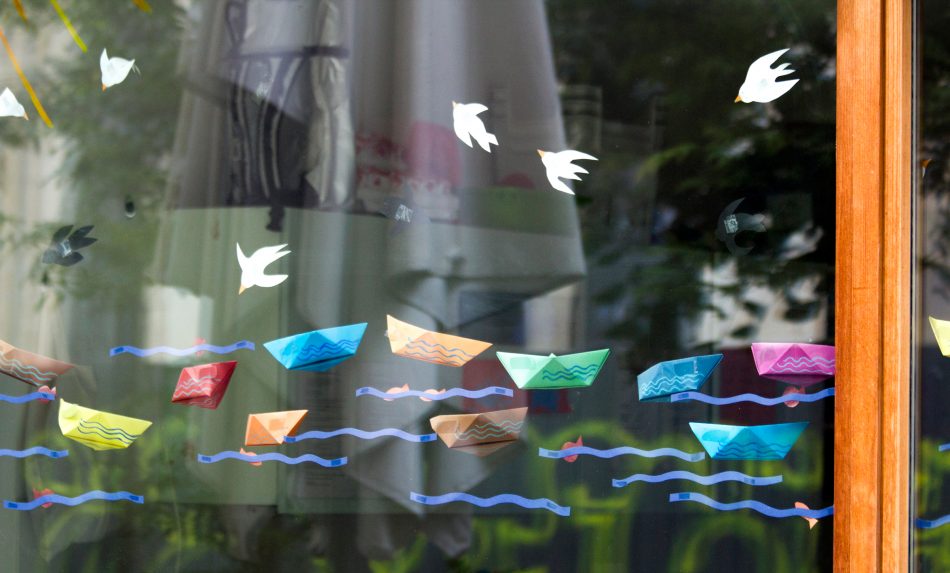
The new legislation requires any new construction and certain renovations to use bird-safe materials designed to prevent bird-strike deaths. It includes installing glass panels that have a higher level of opacity or integrating patterns and etchings on glass to lower the level of collision risk.
The initiative is an essential step in designing more environmentally conscious buildings and advocates for the bill hope it will lead the way for similar laws in other communities.






