


Oceans
From tackling marine plastic pollution to coral reef restoration, learn about humanity’s latest efforts to protect ocean habitats and marine wildlife.
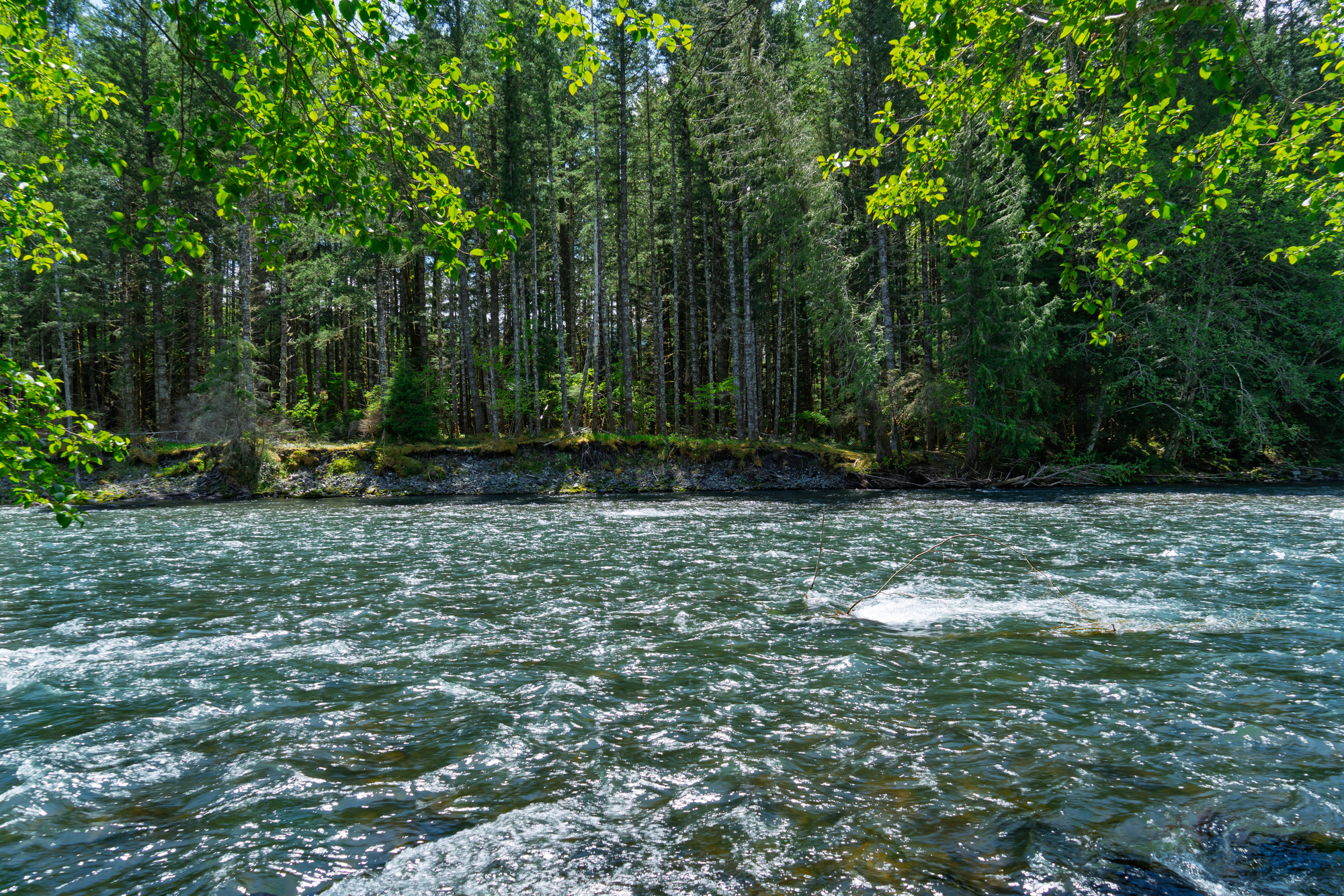
How environmental DNA turned river water into a global wildlife census
BY THE OPTIMIST DAILY EDITORIAL TEAM There’s something almost absurd about how we’ve always measured wildlife. Two trained ecologists visit the same river, spend days cataloguing what they can see, and come back with completely different species lists. Neither is wrong. The data just can’t Read More...
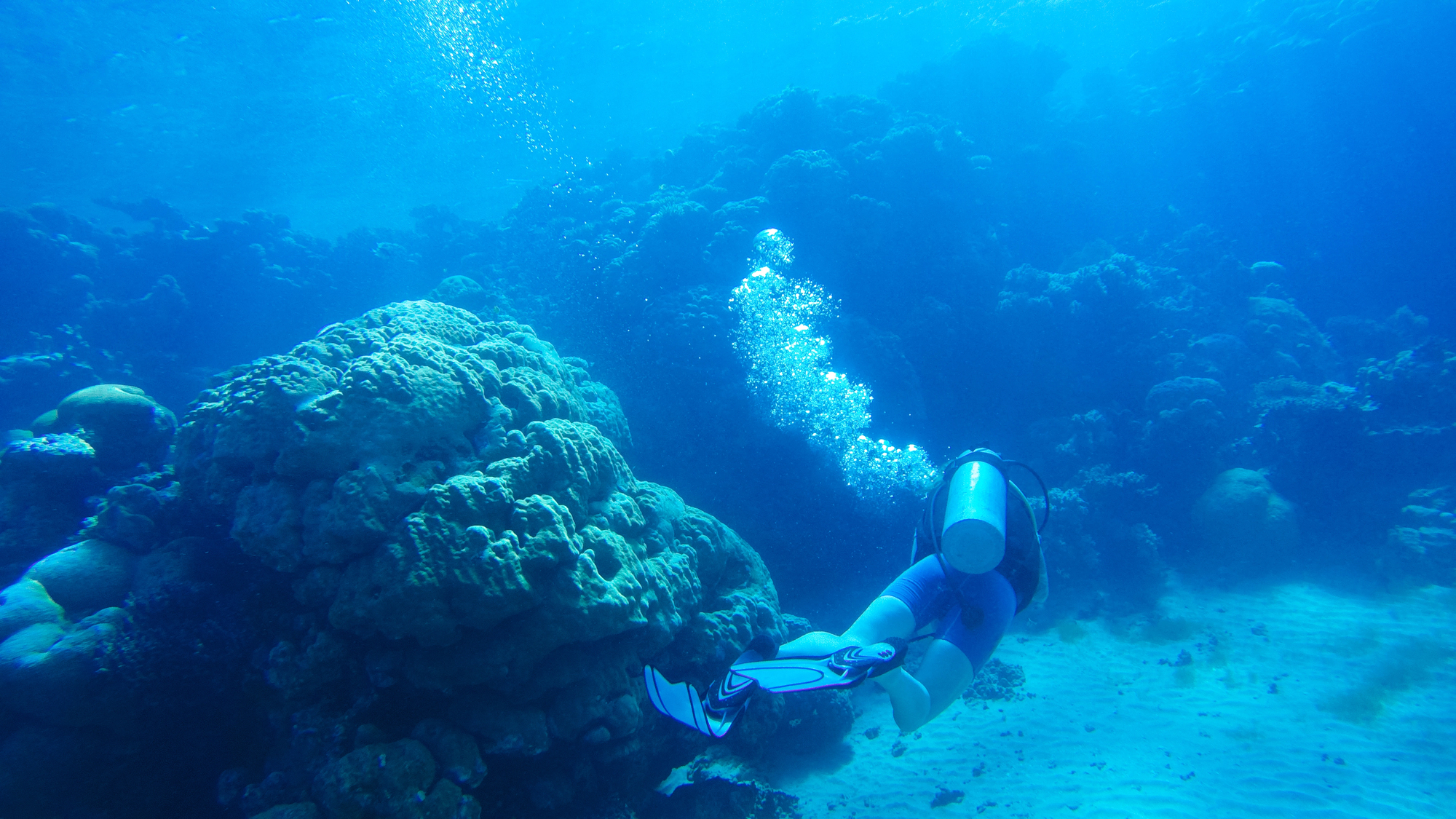
Scientists find 64,000 sq miles of climate-resilient coral reef
BY THE OPTIMIST DAILY EDITORIAL TEAM For years, the conversation around coral reefs has been threaded with grief. Bleaching events, rising ocean temperatures, one crisis folding into the next. The reefs have become a kind of shorthand for what we stand to lose. A new global analysis is pushing Read More...
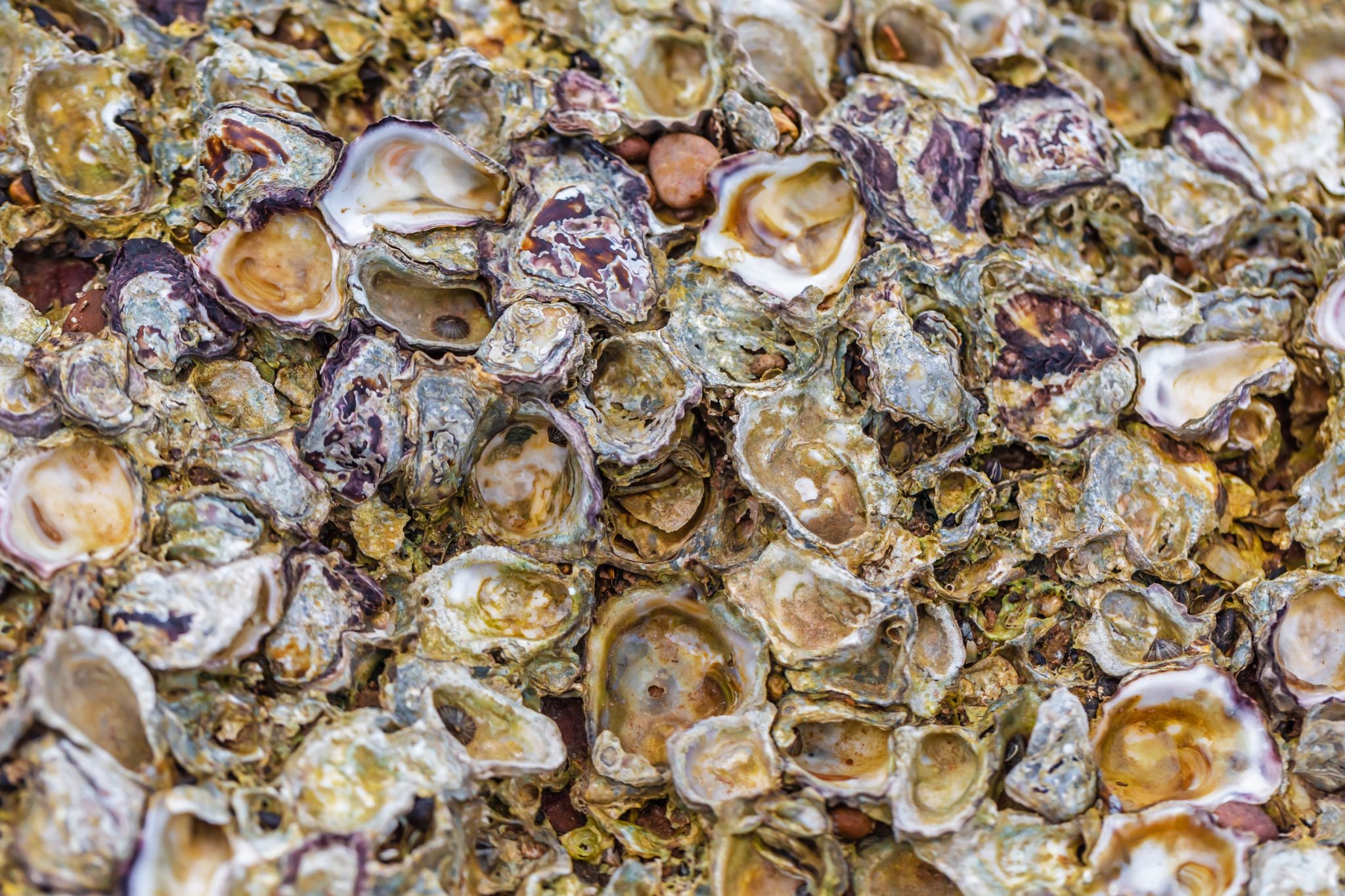
Dinner scraps are rebuilding California’s lost oyster reefs
BY THE OPTIMIST DAILY EDITORIAL TEAM What if scraps from a dinner could become a habitat? That's the basic premise of the Shells for Shorelines program in a meaningful sense: the shells of oysters eaten at restaurants in Orange County can become the foundation on which new oysters settle and Read More...
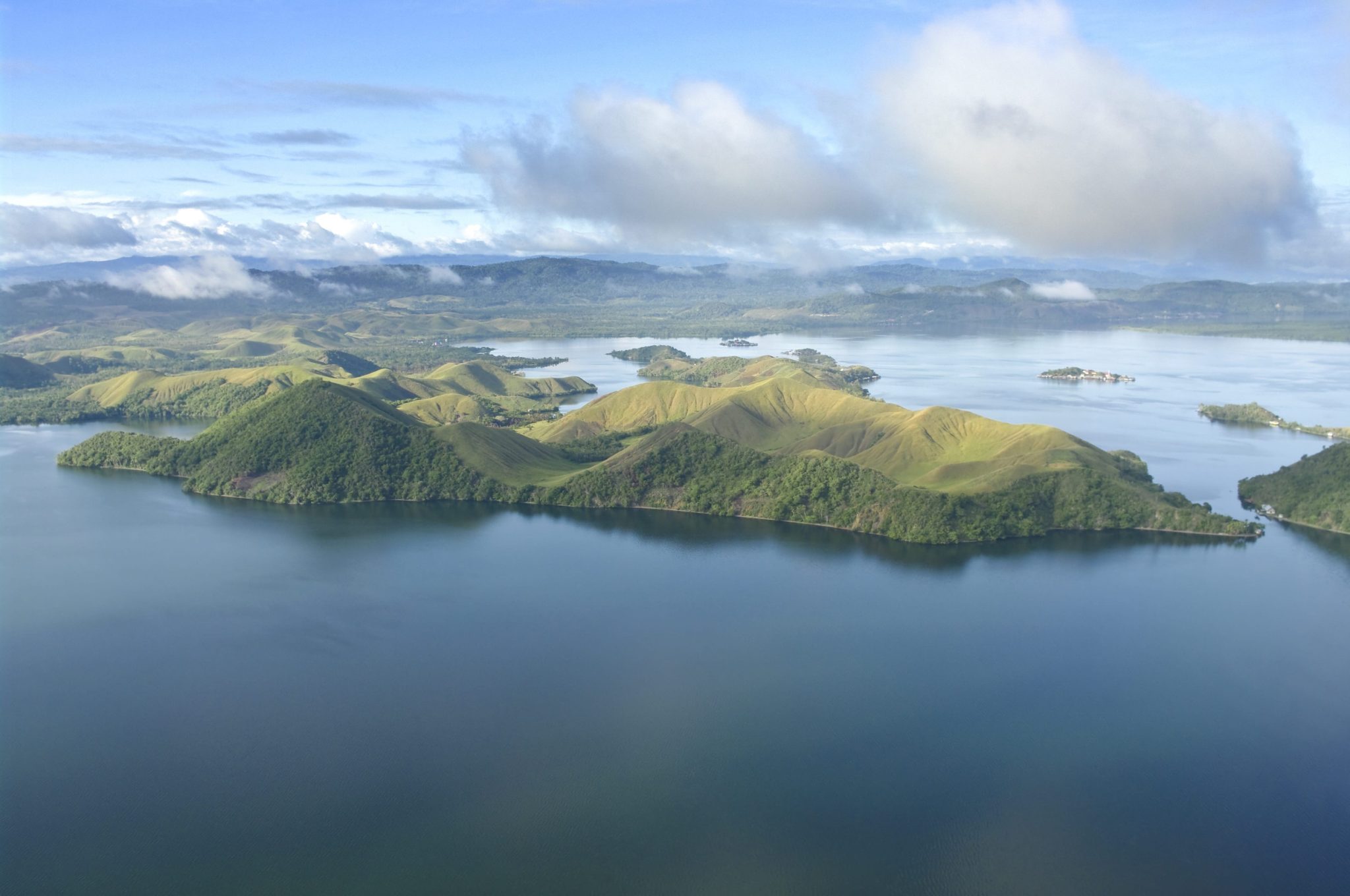
How shark tracking data shaped Papua New Guinea’s ocean sanctuary
BY THE OPTIMIST DAILY EDITORIAL TEAM Papua New Guinea announced on May 13 that it will protect roughly 214,000 square kilometers (about 82,600 square miles) of the Bismarck Sea from all fishing and extractive activity, an area approaching the size of the United Kingdom. The Western Manus Marine Read More...
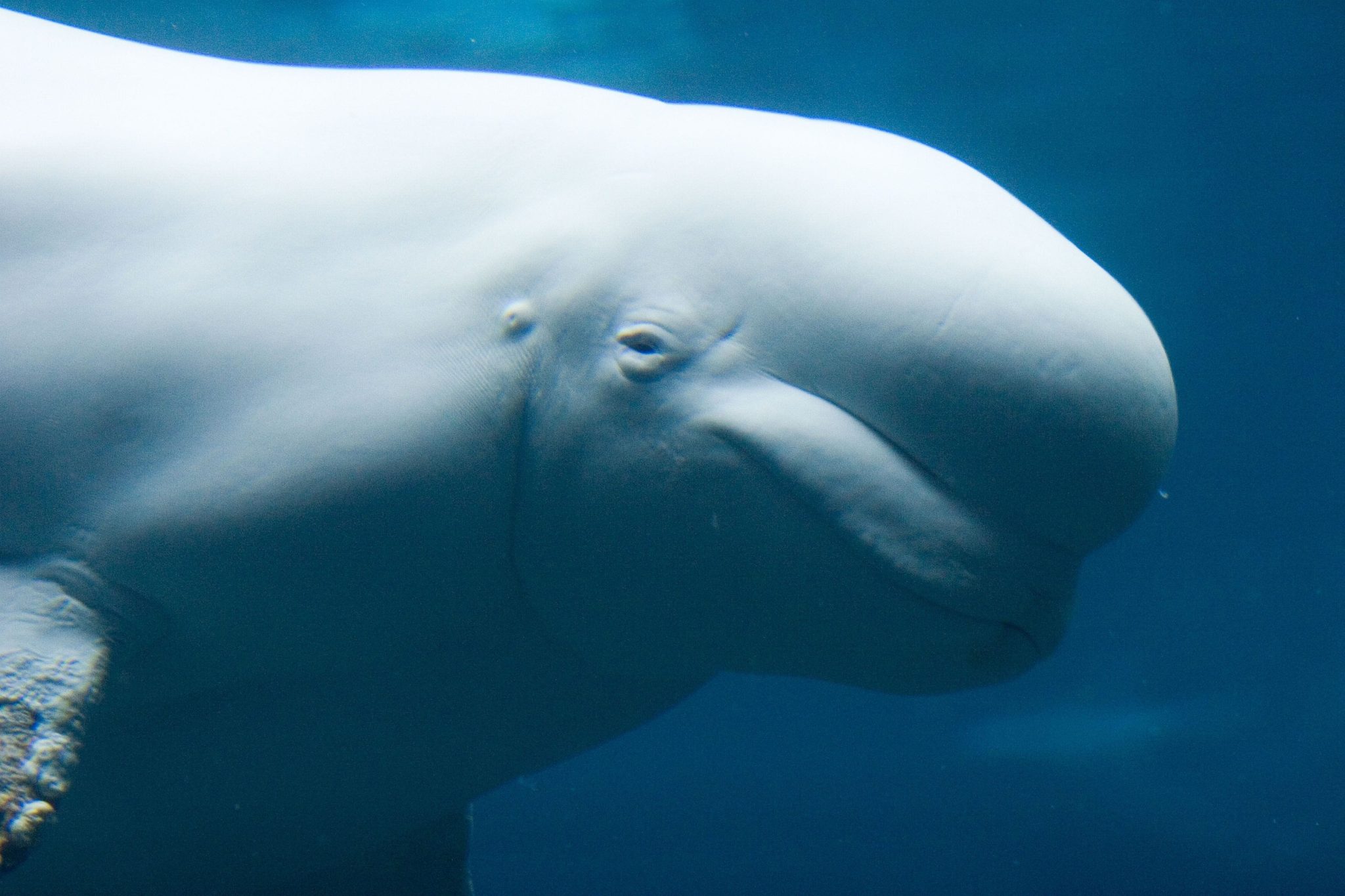
Belugas join the short list of animals who know they’re looking at themselves
BY THE OPTIMIST DAILY EDITORIAL TEAM There’s a short list of animals who, when placed in front of a mirror, eventually figure out they’re looking at themselves. Chimpanzees. Bottlenose dolphins. Asian elephants. A magpie or two. A small reef fish called the cleaner wrasse, which upended some Read More...

Earth Prize 2026 part I: teenage teams tackling big global problems
BY THE OPTIMIST DAILY EDITORIAL TEAM Every year, The Earth Prize asks teenagers across the world the same question: what environmental problem would you solve, and how? Every year, the answers come from young people who live closest to the problem. After five years and more than 21,000 students Read More...
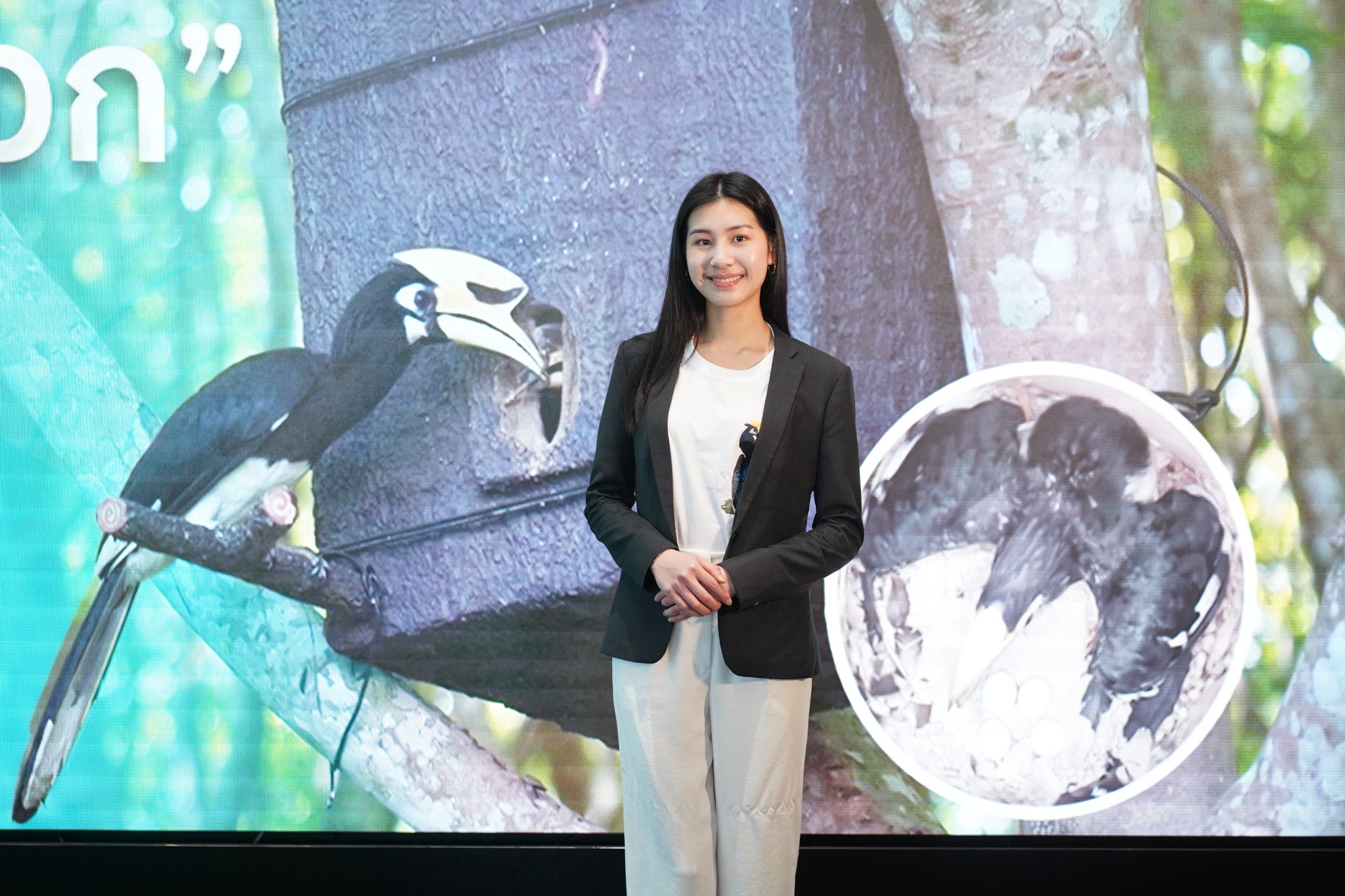
Earth Prize 2026 part II: seaweed fabric, hornbill nests, and a healing bandage
BY THE OPTIMIST DAILY EDITORIAL TEAM This is part two of our Earth Prize 2026 coverage. Part one covered four regional winners from Ireland, Kenya, Gaza, and India, including Tala and Farah Mousa, whose Build Hope Palestine project we first wrote about earlier this month. Here are the remaining Read More...
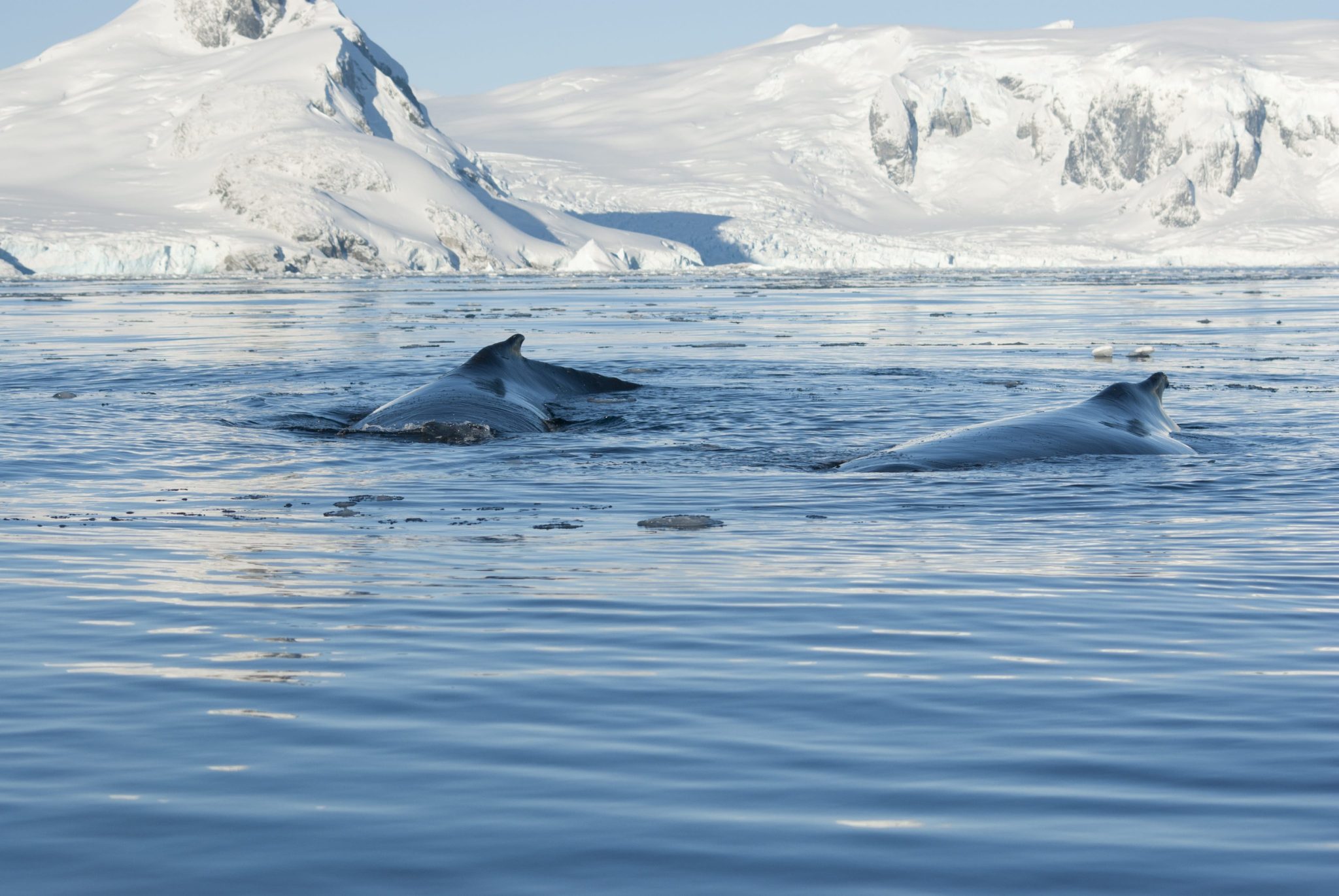
Antarctic whale populations are rebounding, but there's still more to do
BY THE OPTIMIST DAILY EDITORIAL TEAM Good news: the Southern Ocean is filling with whales again. Humpback populations in Antarctica have nearly returned to pre-whaling levels, a rebound scientists say has been faster than almost anyone expected. Researchers conducting a survey near the South Read More...
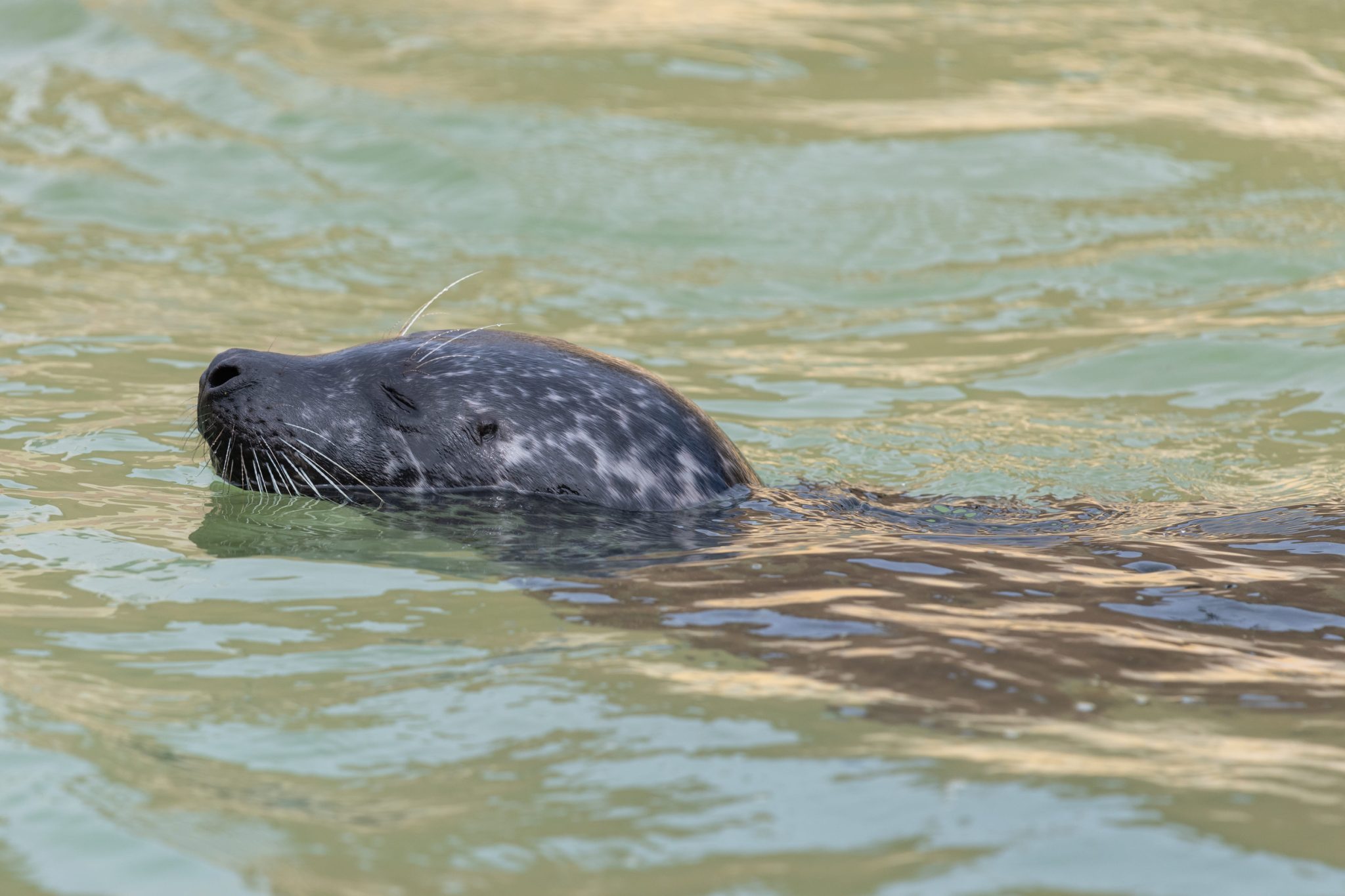
The sensory superpower that lets seals hunt in total darkness
BY THE OPTIMIST DAILY EDITORIAL TEAM When a fish moves through water, it doesn’t simply pass through and vanish. It leaves a trail of disturbed water behind it, something like the contrail of a plane across a clear sky. That trail is invisible to human eyes and fades within seconds, but to a Read More...
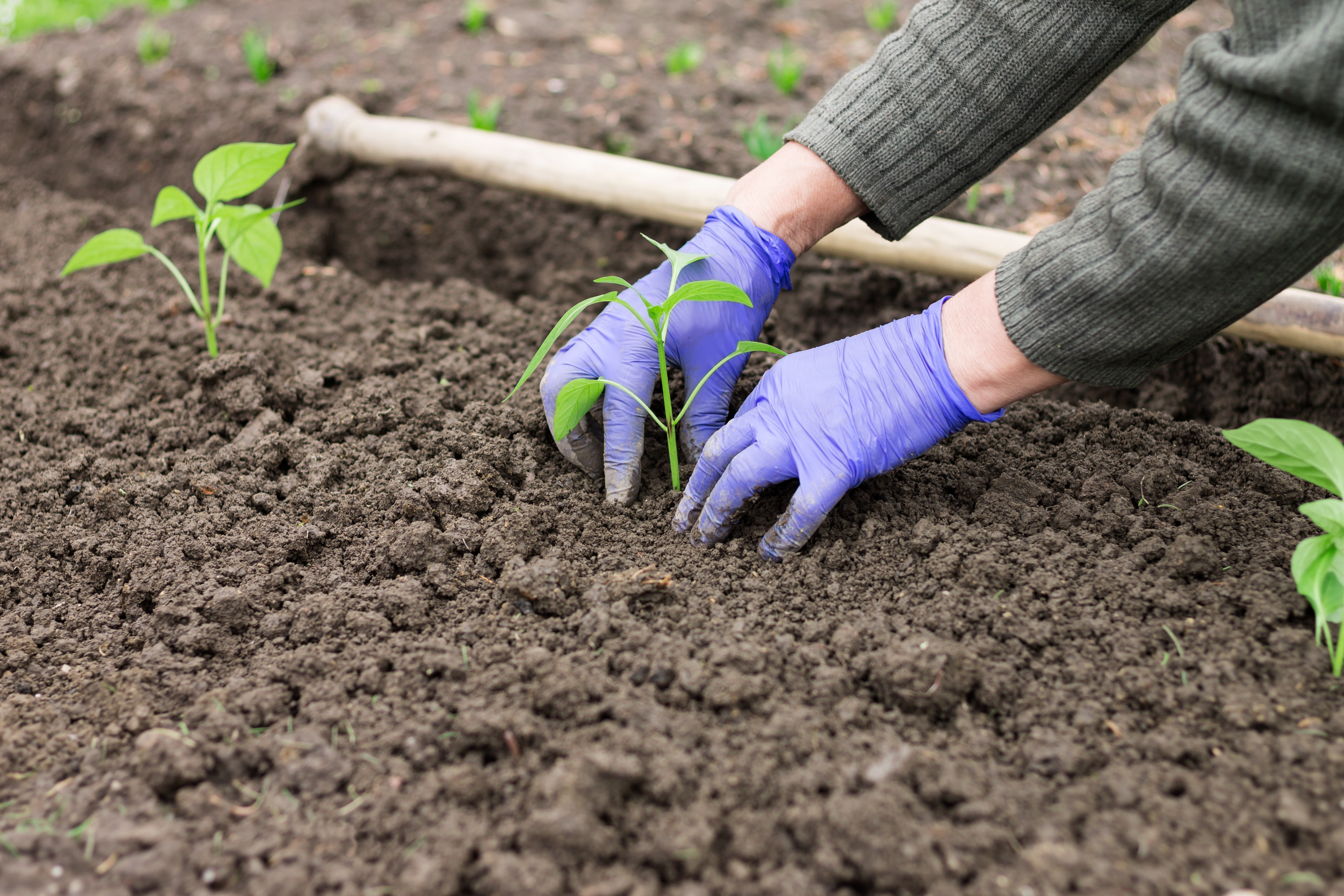
4 tips for everyday eco-friendly living
BY THE OPTIMIST DAILY EDITORIAL TEAM In the face of climate change, many people question the importance of individual actions in ensuring a sustainable future. While institutional change is necessary, environmentalist and author Heather White emphasizes the importance of individual choices. Read More...