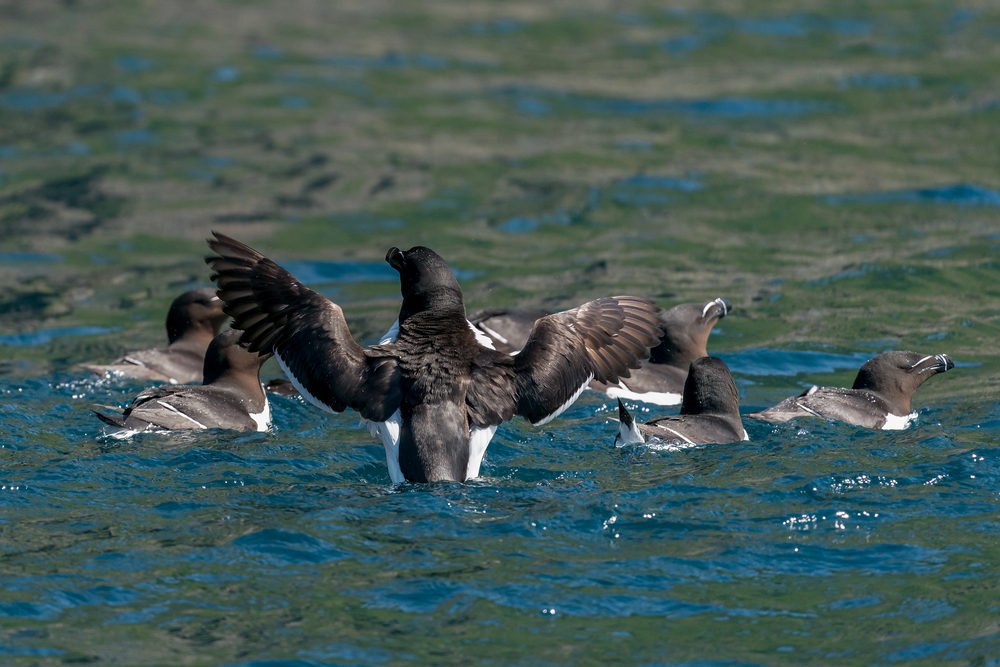
Conservation works. Sure, there’s a lot of grim news in the world when it come to wildlife, but that doesn’t mean the collective effort of humans can’t help declining populations from recovering. Just take the Humpback whale, for example. Before a hunting moratorium was introduced in 1966, these magnificent sea mammals had less than 10 percent of their original pre-whaling population. Now, in some places they have recovered as much as 70 percent and 90 percent their pre-whaling numbers. Guatemala’s beautiful Macaws are another successful case of conservation. Pushed to extinction with only 250 left in Guatemala’s May Biosphere Reserve, scientists are now observing the highest fledging rate ever after 17 years of monitoring the birds. To prove that conservation action really works, here are 7 other iconic animals brought back from the brink.
1. Humpback Whales
2. Tigers in Western Thailand
3. Burmese Star Tortoises
4. Greater Adjutant Storks
5. Kihansi Spray Toads
6. Maleos in Sulawesi
7. Guatemala’s Macaws
8. Jaguars Range-Wide
9. American Bison
To learn more about these gorgeous creatures and hear about their recovery, keep on reading!