Given that humans are by nature social animals, in a time when close contact and embracing are discouraged to slow the spread of the virus, such preventive measures can take a toll on many people’s wellbeing.
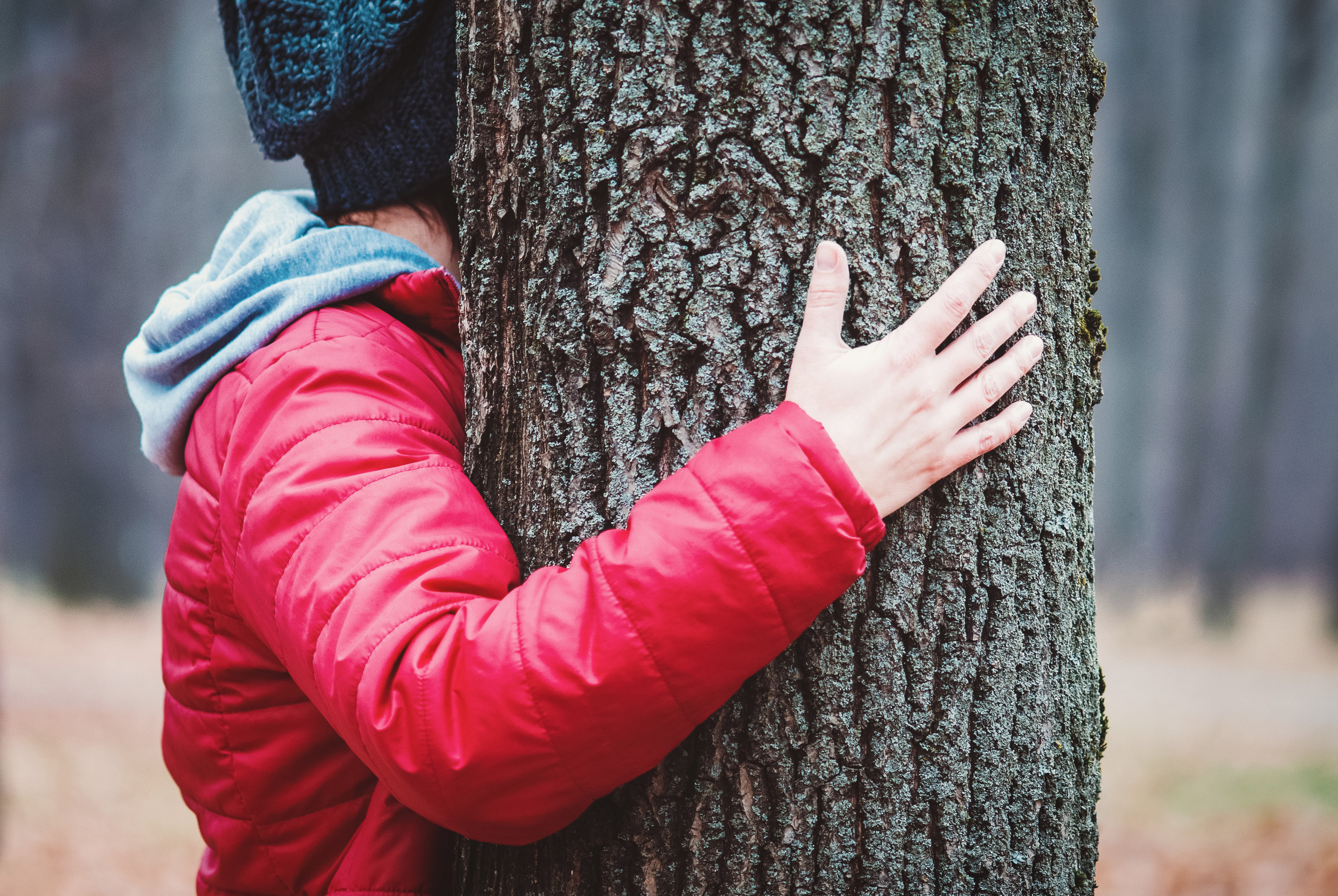
But since we don’t know exactly for how long physical distancing will keep loved ones out of arm’s reach (or if we will have to endure social distancing at another crucial point in our human existence), Iceland’s forestry service has a lovely alternative: tree-hugging.
As a forest ranger, Thor Thorfinnsson explains: “When you hug [a tree], you feel it first in your toes and then up your legs and into your chest and then up into your head… It’s such a wonderful feeling of relaxation and then you’re ready for a new day and new challenges.”
But aside from the novelty of the idea, there’s plenty of science to back it up. The Japanese have been practicing and studying “shinrin-yoku” (forest bathing) for years and the evidence is clear: Spending time in nature has numerous benefits for both mind and body.
Back in Iceland, forest rangers in the Hallormsstaður National Forest have been clearing paths to allow visitors to safely amble among the arboreal huggees. Just like supermarket checkout lines in the US and elsewhere, the rangers have marked spaces of six feet distance to help maintain social distancing.
Thor recommends not rushing a tree hug. Holding a tree in your arms five minutes a day, he says, should be enough, adding that closing your eyes while doing so adds to the therapeutic feeling you get from the embrace.
So if you’re missing that remedial feeling of a warm embrace, try harnessing nature’s healing energy instead by hugging a tree.