3D-printed architecture has been getting a lot of press from The Optimist Daily lately. Most recently, we shared a story out of Oakland where a startup called Mighty Buildings is using a 3D printer to create not only the walls and floors of a home but also other elements like the roof and ceiling.
There is, however, something we haven’t been asking ourselves: should we be 3D-printing homes using concrete? After all, concrete accounts for approximately 7% of global carbon dioxide emissions. Scientists at Texas A&M University don’t think so, which is why they have developed a method to 3D-print greener buildings using local soil.
Sarbajit Banerjee, a professor of chemistry and materials science and engineering at Texas A&M University, said 3D printing enabled a versatility that allowed them to print entire architectural facades, although getting such structures to meet existing building regulations remained a significant challenge. Concrete remains the primary material used in many construction projects but it cannot be recycled and requires a lot of energy to mix and transport.
The research team’s aim is to print structures using the type of soil that can be found in any garden.
“While the widespread use of concrete has democratized access to housing and enabled the growth of cities, this has come at a considerable environmental cost,” said Banerjee. “The move to 3D-print concrete threatens to exacerbate this problem. However, we envision a new paradigm of construction that uses naturally sourced materials. Using such materials will further pave the way for building designs that are specifically adapted to the needs of local climates, instead of cookie-cutter houses.”
What’s more, the use of local materials would reduce the need to transport concrete long distances, further reducing the environmental impact of the buildings. The research team’s plan to replace concrete with the earth beneath our feet depends on their ability to improve soil’s load-bearing capabilities, to which Banerjee said they “are making excellent progress”.
Once they have a clearer idea of the limits of the technology, Banerjee and his team plan to investigate how it might allow for building on other planets.
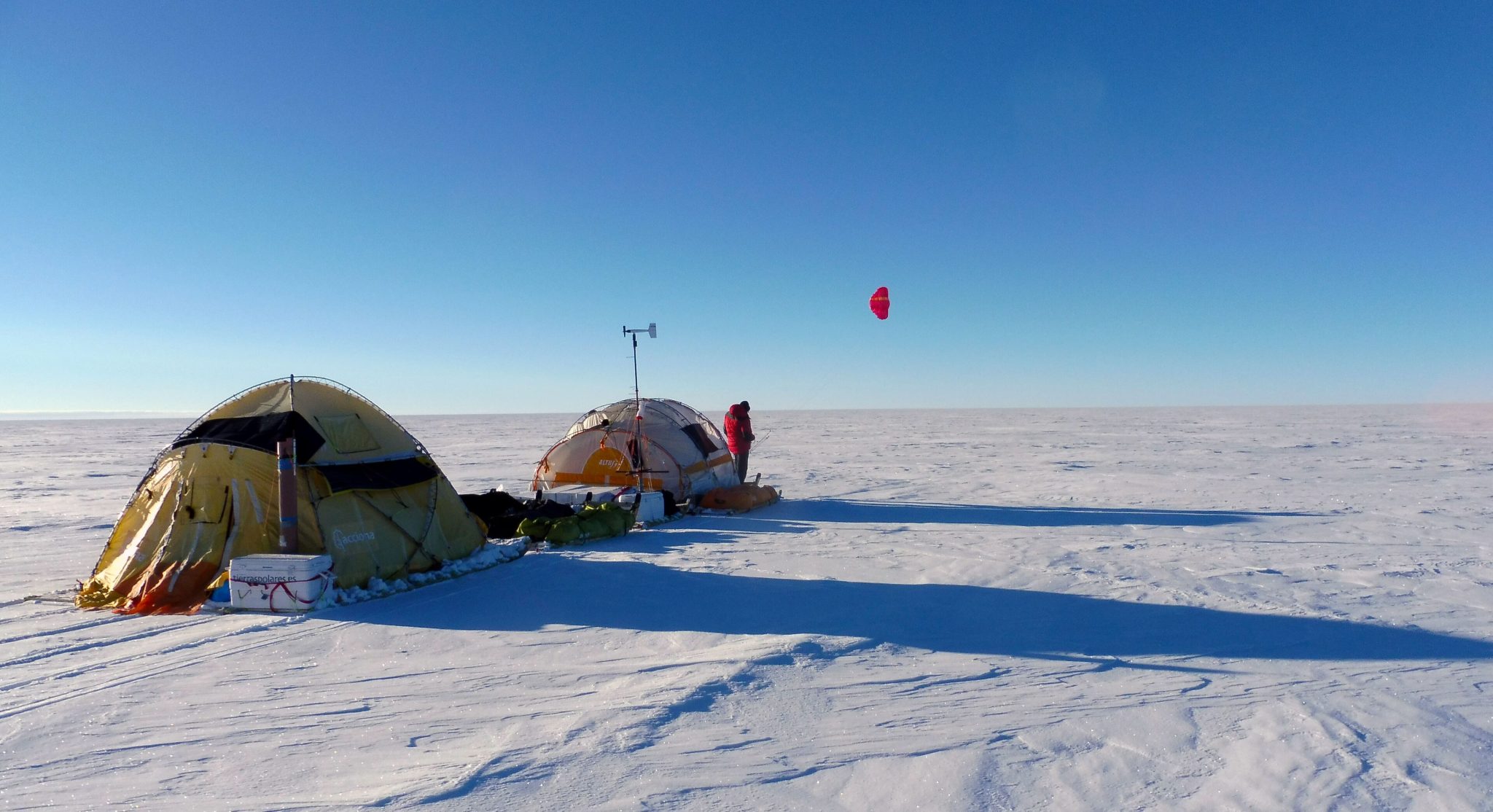
“We see this research not just as a means of replacing concrete but allowing for construction in difficult environments. For instance, we have worked on addressing the problem of building all-weather roads in the subarctic. [The technology] could one day be used beyond Earth, to create settlements on the moon or even Mars.”