Many elderly people face loneliness and isolation, an issue that people of all ages will understand better having now experienced the social restrictions of the pandemic. For the elderly who identify with the LGBTQ community and came of age in a different era, the isolation can be even worse. Many would have been rejected by their families early on or might have struggled feeling their identities were not accepted by society.
For 88-year-old Samantha Flores, long-time socialite, manager of a gay bar, LGBTQ advocate, and transgender icon, loneliness is not an issue she faces. “Without my friends, I wouldn’t be who I am,” she states. However, she also realizes that a thriving social life is not always common for people in her community.
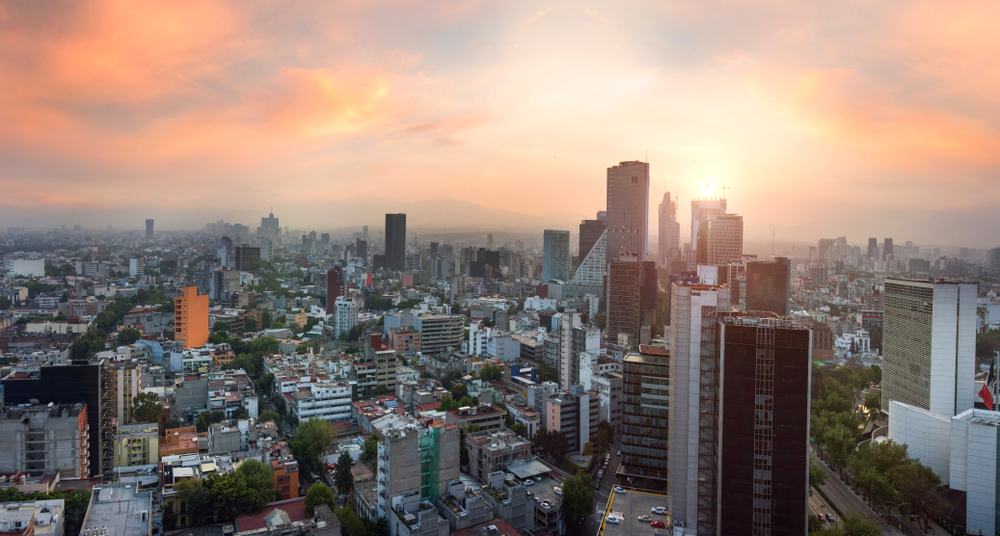
Three years ago, Ms. Flores founded Vida Alegre, or Happy Life, a drop-in center that helps older LGBTQ adults combat isolation in Mexico City. Before the pandemic, the center offered meditation, grief therapy, meals, a movie club, and tech training. Overall, the greatest benefit for those who come to Vida Alegre is the sense of community.
Unfortunately, the pandemic forced Ms. Flores to close the center, but she hopes to reopen again soon. In the meantime, she’s working to raise awareness for LGBTQ resources. In 2020, she was profiled by Vogue Mexico and was even featured in a campaign for Gucci. Her expanding platform gives her more opportunities to speak out about Vida Alegre and the discrimination still faced by Mexican trans people, especially women, every day.
Mexico consistently ranks among the most dangerous countries in the world for transgender people. Due to rampant discrimination, trans women struggle to find jobs and often have no other option but to turn to sex work to make a living. The combination of machismo attitudes and gang violence leaves trans sex workers vulnerable to harassment and violence.
Ms. Flores moved to Mexico City in the 1950s and somehow managed to avoid trouble although it was even more dangerous back then to identify as LGBTQ. Although Ms. Flores herself was unscathed by much of the police brutality experienced by her peers, she saw firsthand the persecution of trans and gay people and felt uneasy being a trans woman in Mexico. She also lost many friends to HIV. Bearing witness to the perpetual state of crisis that faced her community inspired her to become an activist, which eventually led to the opening of Vida Alegre, the first LGBTQ center of its kind in the country.
Vida Alegre, a one-room building in the Álamos neighborhood, had a community of around 40 people before the pandemic. Although it serves as a haven for the LGBTQ community, half of the regular visitors are cis-gendered individuals and go there simply for the company. Ms. Flores’ one wish is for the center to open again so she can continue her work of alleviating the elderly of their loneliness, and providing a safe, loving, and empathetic community for some of society’s most marginalized.