


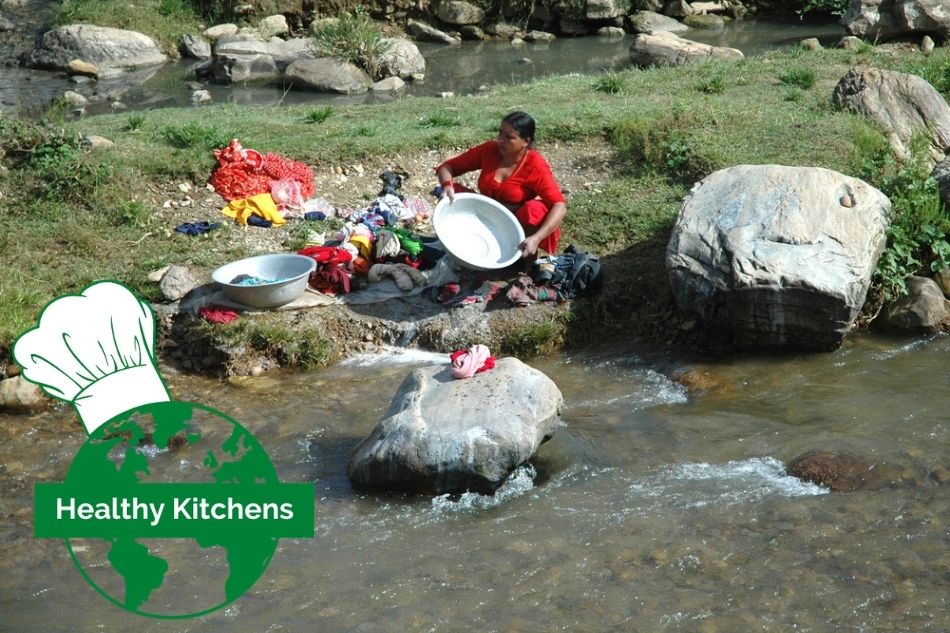
We use soap to clean our dishes, clothing, and even ourselves, but this same soap that we use to clean isn’t so great for rivers and oceans. Especially in countries where many people still use rivers for washing purposes, soap can directly contaminate ecosystems and pollute water that communities rely on for drinking and cooking.
To solve this issue, a new partnership between Fahrenheit DDB, water company Andea, and Peruvian startup Cirsys has come up with a probiotic soap that doesn’t harm waterways but actually cleans them. The bar soap contains microorganisms that can remove pollution, rather than creating it.
Ricardo Chadwick, partner and creative director at Fahrenheit DDB told FastCompany, “This microorganism . . . feeds itself from the pollution of the river, reducing drastically the levels of nitrate and ammoniac, the type responsible for spreading bacteria that affect humans.”
The microorganisms in the soap are capable of cleaning up both soap pollution and sewage pollution. In trial samples, the soap was shown to clean river pollution with 75 to 85 percent efficacy.
Now that the technology is perfected, the creators hope to convince large soap producers like P&G or Unilever to incorporate these microorganisms into their product. If widely adopted, this technology could revolutionize water quality around the world, especially in countries where handwashing in waterways is common.






