Households in the UK could soon be paid to curb their electricity usage for a certain time of day (during peak usage hours) under a new scheme to help reduce energy bills while pushing for a zero-carbon power supply system.
Starting in this past week, the trial for this plan, led by Octopus Energy and National Grid’s electricity system operator, began offering households the opportunity to earn money by basically halving their power use (cutting down to between 40 to 60 percent below normal levels) during a set two-hour period.
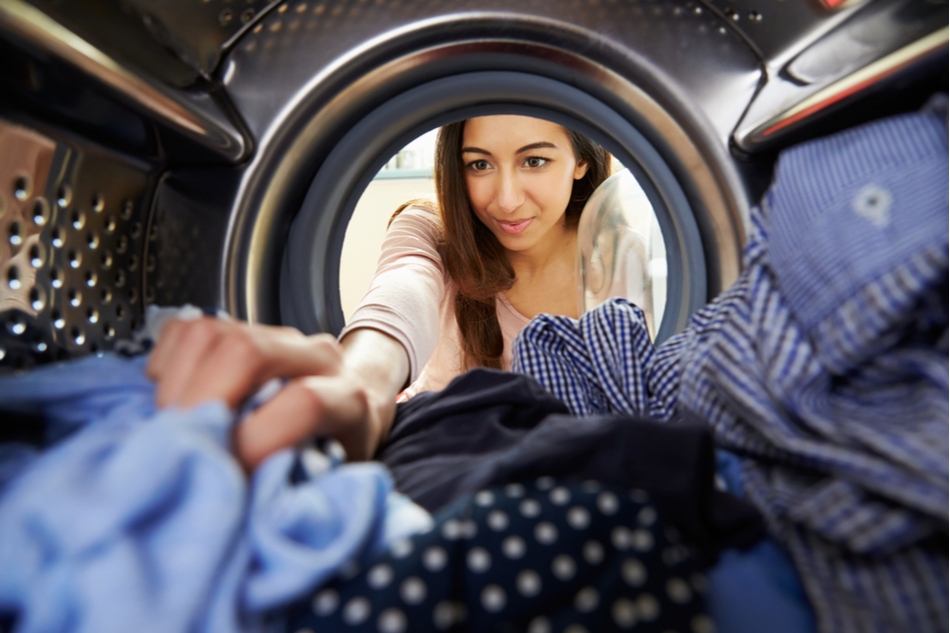
This could mean that people delay their laundry cycle, or press pause on their dishwasher load when demand on the UK’s power grid is normally under a lot of pressure (usually between 9:00 am and 11:00 am, and again between 4:30 pm and 6:30 pm).
If households meet the electricity reduction targets, they could earn up to 35 pence for every kilowatt-hour of electricity saved.
Every household will get a heads up about the two-hour trial window by 4:00 pm the day before so that they can plan to opt-in or not.
Octopus Energy expects to invite 1.4 million of its customers with an installed smart meter to take part and hopes that around 100,000 homes will be signed up for the trial, which will run until the end of next month.
This is also part of a larger plan to convince households to become more flexible with their energy use, which is essential if the UK is to fulfill its ambition to become a net-zero economy by 2050, says Isabelle Haigh, the head of National Grid’s electricity systems control rooms.
“This trial will provide valuable insight into how supplies may be able to utilize domestic flexibility to help reduce stress on the system during high demand,” she explains. This could help lower the cost of matching the UK’s electricity supply and demand.
It could also convince households to install smart washing machines, dishwashers, digitally connected electric car chargers, and more, to work in conjunction with home solar panels and battery packs, which are both expected to play important roles in the creation of a carbon-neutral electricity system.