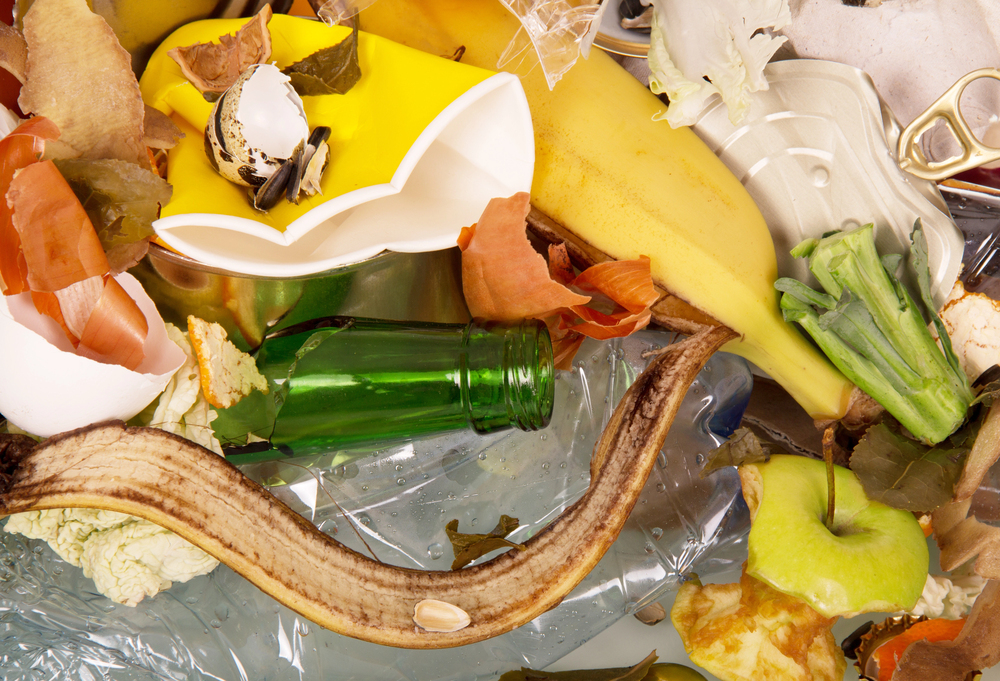
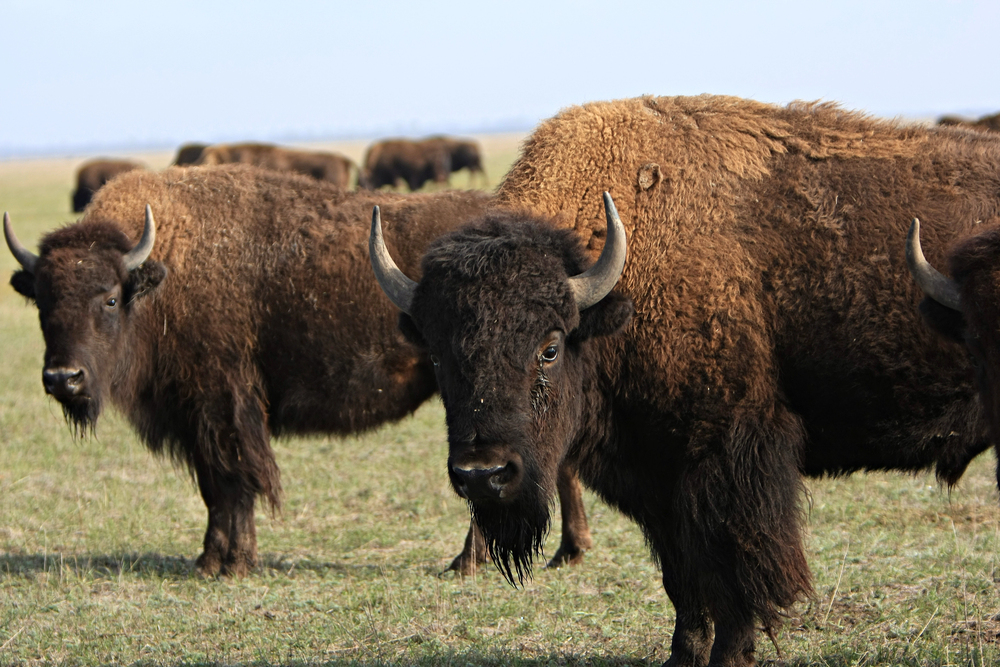
Livestock contributes 18% of global greenhouse gas emissions, according to the U.N. Food and Agriculture Organization. It also causes land degradation, and is a remarkably ineffective way of producing calories in a world plagued by increasingly severe droughts: it takes about 2,5000 gallons of water to produce one pound of beef; by contrast, one pound of wheat requires 25 gallons of water from seed to harvested grain. Not only does meat production require a lot of water, but it also pollutes the little bit we have left. In the U.S., for instance, it is responsible for the nitrate pollution of groundwater, causing significant public health damage. In this context, it is not small news that the Dietary Guidelines Advisory Committee, a federally appointed panel of nutritionists, decided to factor in environmental sustainability in its recommendations. Its new federal dietary guidelines? Eat less meat because it’s better for you… and for the environment. We have come a long way since Frances Moore Lappé’s seminal book Diet for a Small Planet. The meat industry may be kicking and screaming in outrage, but kudos to the members of the committee for officially connecting the dots between public and environmental health.

New federal dietary guidelines take aim at meat for environmental reasons
More of Today's Solutions
From 2.6% to 97%: how South Korea eliminated food waste and what NYC can learn
BY THE OPTIMIST DAILY EDITORIAL TEAM In Yeouido, Seoul, Seunghwan Hong spends less than a minute dropping off his food scraps. He taps a ...
Read MoreThe tilcayo: new wildcat species discovered in Bolivia’s cloud forest
BY THE OPTIMIST DAILY EDITORIAL TEAM For years, biologists cataloguing Bolivia's Yungas cloud forest would note a small spotted cat and move on. Tiger ...
Read More4 habits to form for a long life according to a Blue Zone expert
BY THE OPTIMIST DAILY EDITORIAL TEAM Longevity in life is something we hope for, but without forming healthy habits now, our chances of living ...
Read MoreNeed a mood boost? Consider drinking apple cider vinegar
Need a mood boost? Consider drinking apple cider vinegar Vinegar’s effect on mood A team of researchers from Arizona State University had already studied ...
Read More