Megan Snowe, a New York arts administrator and passionate Russophile, will teach the basics of the Cyrillic alphabet for a handball lesson, gray or black medium-length socks (women’s size 7½) or gluten-free beer. Interactive artist Barbara Ann Michaels will take organic lettuce or a “fun, wide colorful belt” in exchange for an hour-and-a-half lesson in the meditative power of juggling. Got some bathroom towel hooks to spare? You can trade with strategy consultants Karina Portuondo and Joshua Teixeira for tips on how to create a memorable social networking profile.
Teaching has never been a particularly profitable occupation, but have things become so hard that teachers are resorting to barter to survive? Not really; not yet, anyway. Still, the concept is gaining popularity around the world through the efforts of Trade School, a volunteer network of experimental schools where teachers are paid in goods rather than cash. Set up in 2010 in New York City as an outgrowth of OurGoods.org, a barter network for the creative community, Trade School now has branches in Charlottesville, Virginia, Oakland, California, London, Milan and Cologne, and it’s expected to grow by about a dozen more in places like New Delhi and Paris before the end of the year.
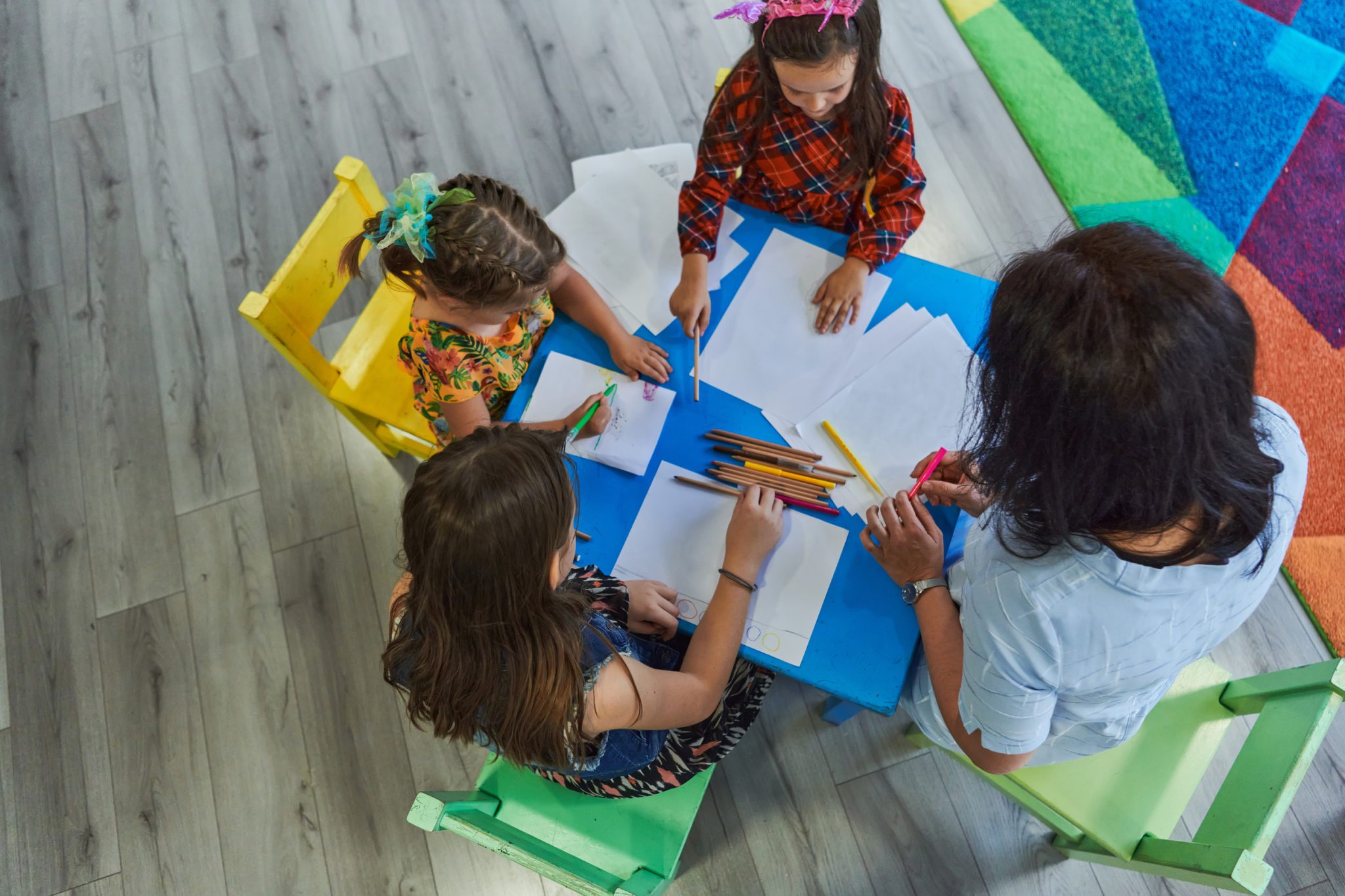
The idea is simple: A group of local volunteers organizes classroom space, teachers advertise their classes through Tradeschool.coop along with a list of items they are willing to barter for and students sign up by agreeing to bring something on the list. Yet the implications of barter for knowledge can be quite profound, ranging from connecting students and teachers in a more egalitarian, personal way to nurturing a climate of healthy interdependence, in which individuals learn to benefit through the work they do for their communities.
“It’s hopefully getting people to think about something between no money and paying for things, that ambiguous middle ground of exchange that has a lot of potential to connect people,” says Caroline Woolard, a Trade School co-founder. This sense of connectedness is often lost when money enters the equation, according to Christopher Robbins, an occasional Trade School teacher. “Money has helped create a disassociated society, and barter allows people to reconnect,” he says. “You have to learn about someone to trade with them, see what they personally have to offer you, and vice versa. Barter brings the human back into commerce.”

A different kind of trade school
More of Today's Solutions
Scientists develop unsinkable metal tubes using water-repelling technology
BY THE OPTIMIST DAILY EDITORIAL TEAM Engineers at the University of Rochester developed a way to make ordinary aluminum unsinkable even when it’s punctured, submerged, ...
Read More8 night sky events to catch this February, from a planetary parade to the Mil...
BY THE OPTIMIST DAILY EDITORIAL TEAM February may be the shortest month of the year, but it more than makes up for lost time ...
Read MoreHow magnesium improves immune cell capabilities
Magnesium is an essential mineral vital to many bodily functions including muscle contraction, nerve transmission, blood pressure, and immunity. Therefore, it makes sense that ...
Read MoreHow to help victims of California wildfires: a guide to supporting relief eff...
BY THE OPTIMIST DAILY EDITORIAL TEAM Wildfires have once again ravaged Los Angeles County, burning tens of thousands of acres, destroying thousands of structures, ...
Read More