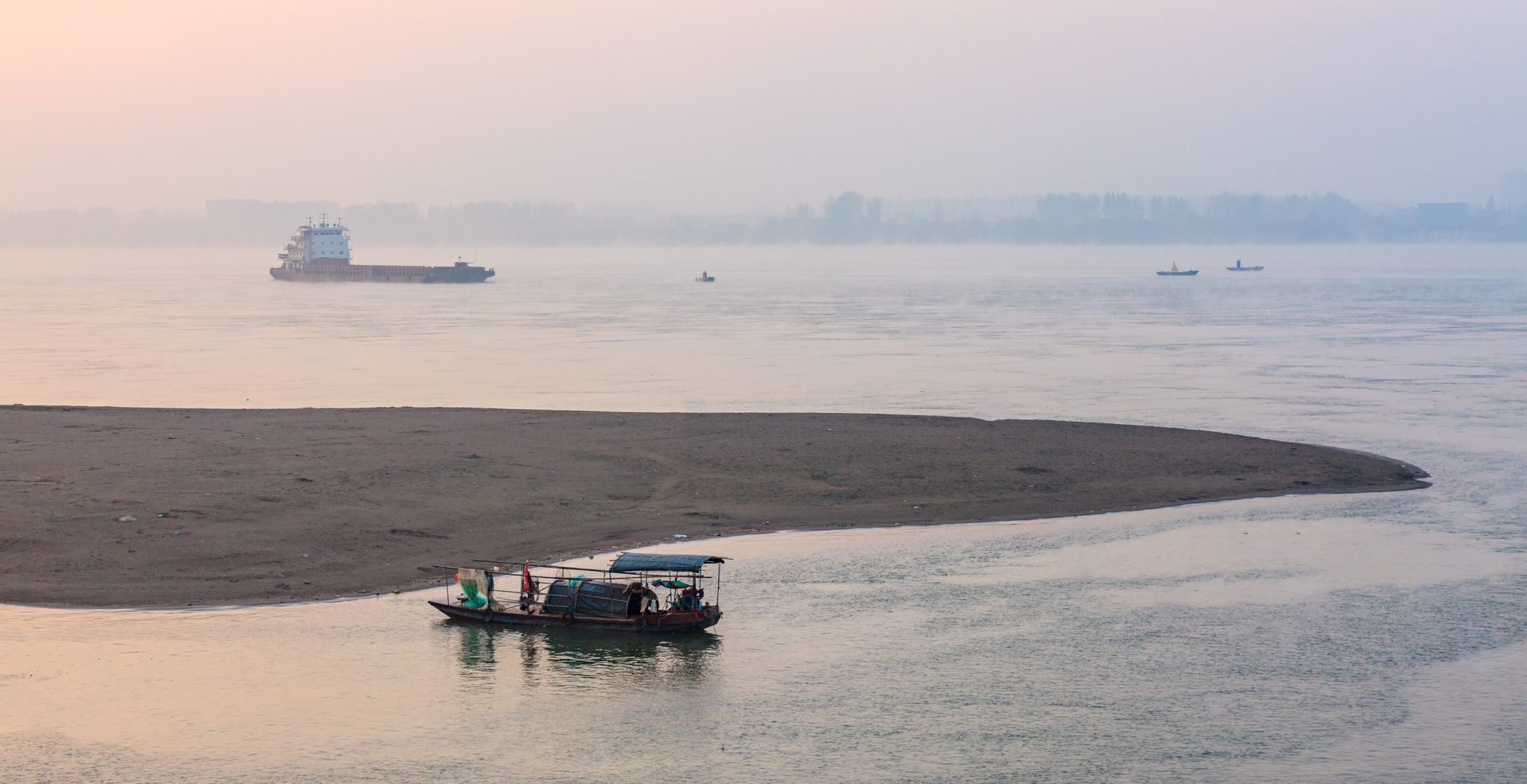
Minh Vu, a Vietnamese farmer, has the same problem after every harvest of her rice paddy: What to do with the stems of the rice plants after the threshing of the rice? Usually she chooses to burn them. And because that’s what most of her colleagues do as well, it means in Vietnam about 20 million tons of rice straw go up in smoke each year. That’s bad for the environment, because the burning releases greenhouse gasses, but it’s also unhealthy for the Vietnamese because every harvest season they breathe in that smoke.
A young social entrepreneur, Trang Tran, is hard at work offering Vietnamese farmers an alternative to burning their straw: she’s teaching them to use the straw as a nourishing base for mushroom cultivation. Tran is an energetic young woman from Vietnam who this summer got her MBA from the Global Social and Sustainable Enterprise program at Colorado State University (CSU).
Before Tran left for America she already had several years of experience with working for both non-profit and for-profit development projects in Asia and Central America. But during her MBA, together with a friend, she came up with the idea to start a business and at the same time help the farmers in her native country. In the summer of last year she tested if she could grow mushrooms in straw, and when that worked, the two women decided to start a business to help spread their idea.

To cultivate straw mushrooms you don’t need much, says Tran, but it is important that the straw is treated properly to become the perfect incubator for mushrooms. The straw from the rice plant must be just moist enough before the mushrooms can spawn. The climate in Vietnam is warm and humid, ideally suited to growing mushrooms.
Minh Vu is one of the first farmers trying out Tran’s method. If she succeeds in growing mushrooms several times a year in her straw, then she can sell those to Tran’s company, and she can double her yearly income.
“When Minh harvested her very first, homegrown mushroom, she was ecstatic,” says Tran, who explains that many rice growers in Vietnam are women, and carry the burden of responsibility for their families. Most rice farmers earn about $1000 a year. Often they have to travel to the big city to live and work for a few months each year to supplement their income between rice harvests. “If they can cultivate enough mushrooms and sell them, then that won’t be necessary anymore,” explains Tran.
Ultimately the goal is that farmers cultivate large quantities of mushrooms, and that Tran’s company Fargreen exports those high quality mushrooms. Many Asian dishes use straw mushrooms.
Tran and her company Fargreen have recently been nominated as one of five finalists in the Postcode Lottery Green Challenge, the largest annual and international green business plan competition. The prize money of $650,000 would be very helpful to Fargreen to build a larger warehouse and processing plant where the mushrooms could be prepared for sale. “I believe strongly in our business model,” says Tran. “We can make money and at the same time solve a lot of people’s problems.”