From The Intelligent Optimist
Summer 2016
All over the world, millions of people flock to cities. Is this a recipe for more problems and decay?
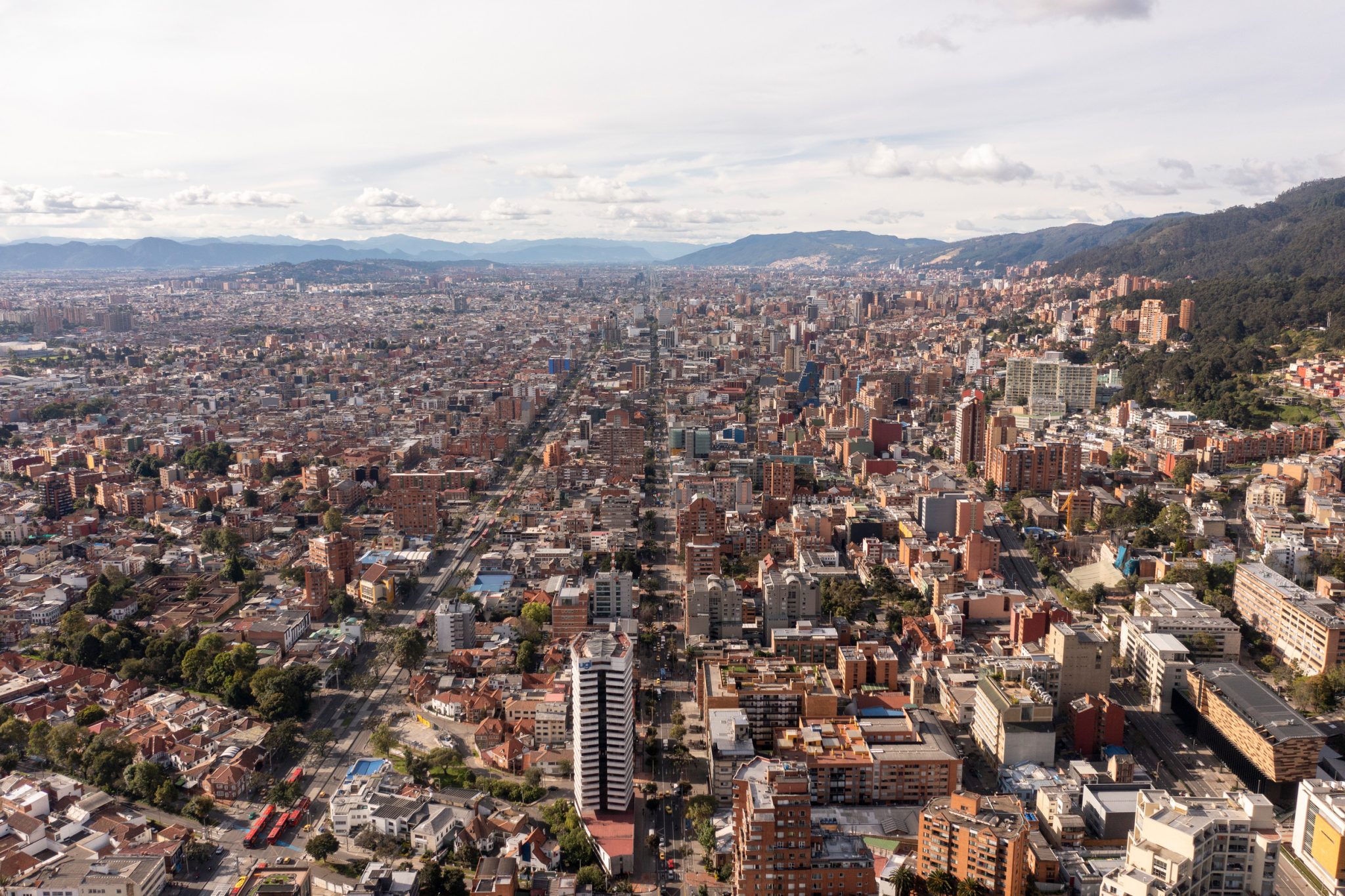
What associations come to mind when you think of cities? Do you see images of moral decline, crime, unemployment, beggars, congested streets and a loss of our connection with nature? If so, don’t lose sleep when we tell you that demographers estimate that by 2050, some two-thirds of the world’s nine billion people will live in cities. (Already, just over half do.) Nearly the entire population growth in the coming decades will come in urban areas, mostly in Asia and Africa. Every week, the number of city dwellers expands by a million. A lot of them end up in what we call “slums.”
But cities are more complex than that. You might as well think of them as hubs for the creation of wealth, more social and economic development and less pressure on our ecological services. That is the other story of urbanization, and it’s a story worth telling.
First, no country has ever developed without cities. Since economic prospects in rural areas traditionally have been limited, people have gone to the city, where the cosmopolitan dynamic sparks creativity. The density of people allows for an exchange of ideas and knowledge, so innovation happens and productivity increases. Everywhere you go, cities are the economic center.
Second, it’s not just technological innovation that flourishes in cities; it’s also the people. Cities offer more opportunities to go to school, get health care, enjoy electricity, get or create a job and learn about new ideas and other ways of seeing things. There’s a level of personal freedom and autonomy that rural areas don’t offer. And so cities are places where many minority groups have found liberation, or are still looking for it.
Third, cities may be a solution to our ecological crisis. Where half a century ago environmentalists wanted to go back to the land, research is showing that city life may actually be better for the planet. The density of people allows for good public transportation, which decreases the need for a car, and higher-density vertical construction means better insulation, so houses are more energy-efficient. And in cities, families are smaller—it’s not without irony that Manhattan has been described as a utopian community for environmentalists.
Cities aren’t perfect. Problems remain—there’s still more air and water pollution, though in most developed nations, pollution levels have been decreasing for decades. These problems need to be addressed. And rural areas need our protection, too, as they play a vital role in feeding our planet and keeping her healthy.
At The Optimist, we understand and support the aspirations of tens of millions of people to leave their villages to make something of their lives in the wonderful city, no matter how hard it is. We acknowledge and embrace the fact that cities are a crucial engine for personal and social development opportunities, and a path to a smaller ecological footprint. | Marco Visscher