From The Optimist Magazine
Fall 2015
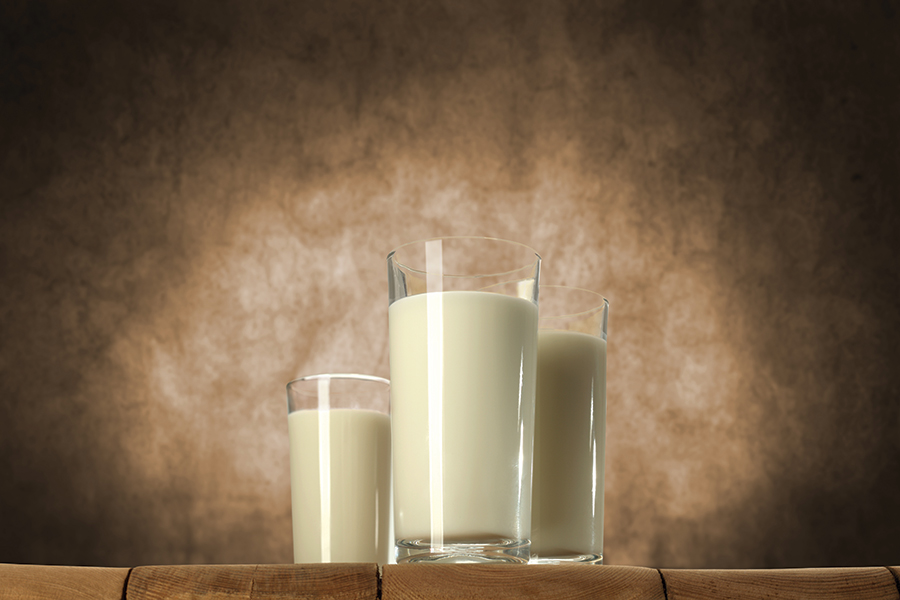
Our parents knew milk comes from cows. Our children may think, as the joke goes, milk comes from the supermarket. Their grandchildren, however, may think it comes from breweries. A pair of young, vegan bio-engineers in the U.S. are producing milk in a radical new way. Out with the cow, in with the genetically engineered yeast!
Concerns about animal welfare and agricultural sustainability drove Perumal Gandhi and Ryan Pandya to find an alternative to cow’s milk. They both believe it’s inhumane to keep cows in crowded barns, feeding them hormones and antibiotics while torturing them by docking their tails and removing their horns. Meanwhile, methane-belching cows in the dairy industry contribute some 3 percent of the world’s greenhouse gas emissions each year, says the Food and Agriculture Organization of the United Nations.
So they wanted an alternative. To develop their idea, Gandhi and Pandya created a startup called Muufri (pronounced moo-free, geddit?). They identified the proteins, fats, vitamins and minerals that make dairy products and mix them in the best ratios to optimize both taste and our health. They’re working on an alternateve for lactose, which many people have trouble digesting. Also, their technique could generate 35 to 65 percent fewer greenhouse gas emissions. On top of that, it requires far less energy, water and less. Oh, and let’s not forget it doesn’t require animals.
Synthetic dairy will be distinct from soy- and almond-based alternatives. These still taste very different; the petri dish milk will retain the taste of cow milk. “If we want the world to change its diet from a product that isn’t sustainable to something that is, it has to be identical [to], or better than, the original product,” Gandhi told National Geographic. “The world will not switch from milk from a cow to the plant-based milks. But if our cow-less milk is identical and priced right, they just might.”
Gandhi and Pandya expect to market their product next year. Consumers who are wary of GMOs might be comforted, they hope, by the use of yeast that has been engineered to die within hours after production. Also, the two stress that yeast is a common organism in the food industry, used as a component in everything from bread to beer. “We need to innovate,” Gandhi stresses, “to allow everyone to be able to enjoy a glass of milk or their favorite dairy product 50 years from today.” | Marco Visscher | Find out more: muufri.com