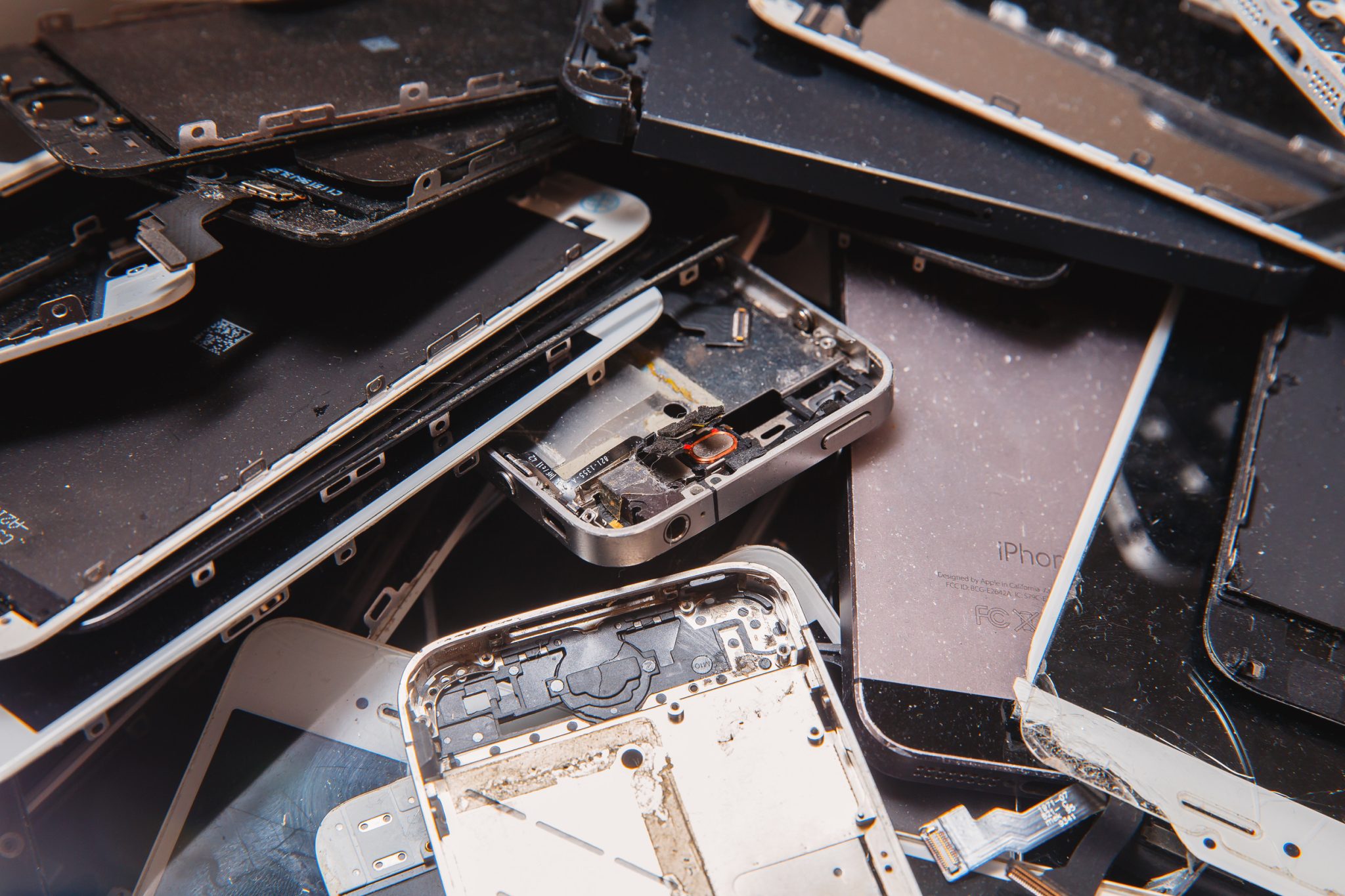
We don’t mean to bring on the negativity, but US recycling rates are abysmal. About 75% of American waste is recyclable, yet just 30% of it is actually recycled. The figures are even worse with materials like plastic. Less than 10% of plastics disposed of in the U.S. in 2015 were recycled.
In a quest to find a way to motivate Americans to recycle more, consumer psychologists tried to change the message used to promote recycling; rather than guilt-tripping consumers, the psychologists altered the message to focus on the transformation into a useful product that a piece of waste could have when recycled properly. After all, by definition, recyclable is a product that has future use.
After conducting a series of studies that applied this idea both in the lab and the real world, the psychologists found consumers were far more likely to recycle after seeing transformational messages. In fact, one of the studies found participants were more likely to recycle at a rate of about 80 percent. Emphasizing what people’s recyclable waste can become is a very simple messaging tweak, but it’s one that research shows can make a big difference.