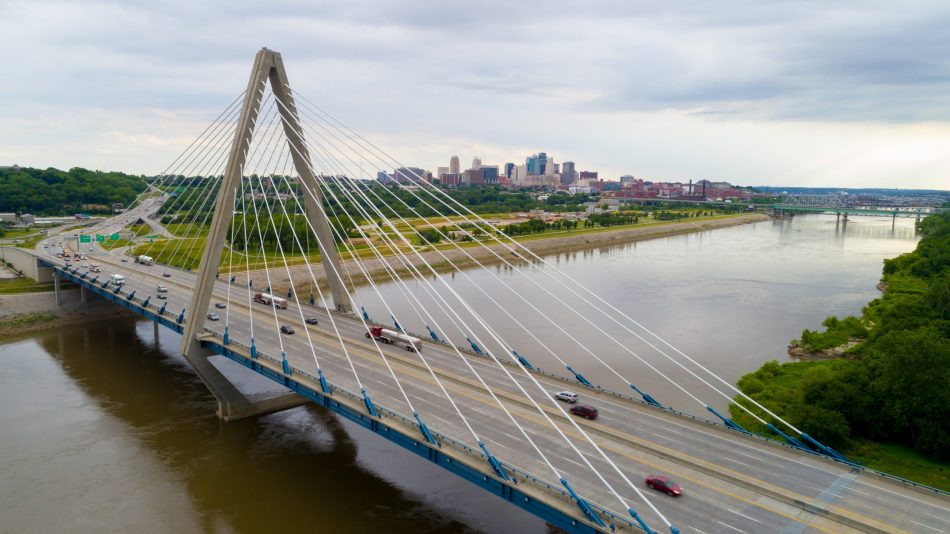
For the first time ever, a major American city is offering universal fare-free public transit. That city is Kansas City, and it hopes to boost ridership and improve access for all citizens with the new initiative.
The city’s popular streetcar is already free, but the city council and Mayor Quinton Lucas hopes this unanimously approved measure will improve transportation equity and motivate riders to ditch the cars for public transport. The city says the $8 to $9 million gained in transit fees each year is easily recouped in other areas, but opponents of the plan argue more effective access can be achieved through targeting free ridership at strategic groups such as students and seniors only. Nonetheless, the way forward will be free transport for all.
We hope this initiative motivates other cities to follow Kansas City’s lead. If you live in the Kansas City area, make sure to usher in the new year by making the most of the country’s first major free public transit system.
This story was one of the best from 2019, and we are happy to include it in our “12 Days of Optimism” as we get ready to welcome 2020!