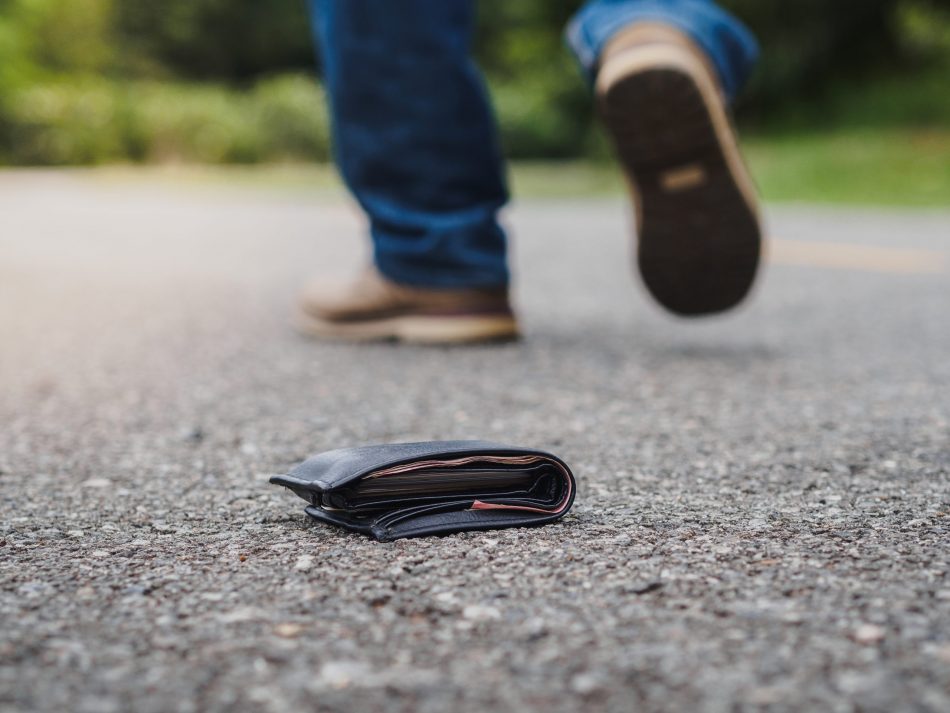
Have you ever lost a cell phone, umbrella, or jacket and wondered where it ended up in the world? Well, if you live in Japan, you stand a much higher chance of reconnecting with your long lost item. The country’s elaborate lost and found system has efficiently mastered how to reconnect items with their owners.
The system relies heavily on koban: small, centrally located police stations which serve as residents’ primary sites for police interaction. There is some 6,300 spread across the country. When a lost item is taken to a koban, it is cataloged and the finder’s information is recorded. It is then kept at the local koban for a month before it is taken to the Tokyo Metropolitan Police Department’s newly renovated Lost-and-Found Center. Here, it is searched for details about its owner before being cataloged in an online database where owners can search for their lost goods. Rail stations also have lost and found depots that operate within this complex network.
This system is reinforced by the Amended Lost Property Act. Passed in 2007, the law allocates a reward of 5 to 20 percent of the item’s value for the person who turns it in should it be reunited with its owner. If the owner is not found after three months, the person who turned the item in can take ownership of it. In addition to strong property rights, children are also taught from a young age to return found items to a koban, instituting a culture of respect for lost items.
It may seem elaborate just to help someone find their lost jacket, but the system really works. 83 percent of cellphones lost in Tokyo are reconnected with their owners. Even cash finds its way back to its rightful pockets. 3.8 billion yen was reported in 2018 and an impressive three-quarters of it was returned to its owners.
Beyond the satisfaction of finding something you lost, there is the culture of “waste not, want not” that comes with this impressive system. Items not claimed are donated or sold wholesale at pop-up matsuri sales. This system does more than find homes for the over four million items turned in each year, it gets citizens to look out for one another and it makes sure that nothing goes to waste. The Japanese lost and found system is a major solution for minimizing waste, reducing consumption, and encouraging residents to have each others’ backs.