


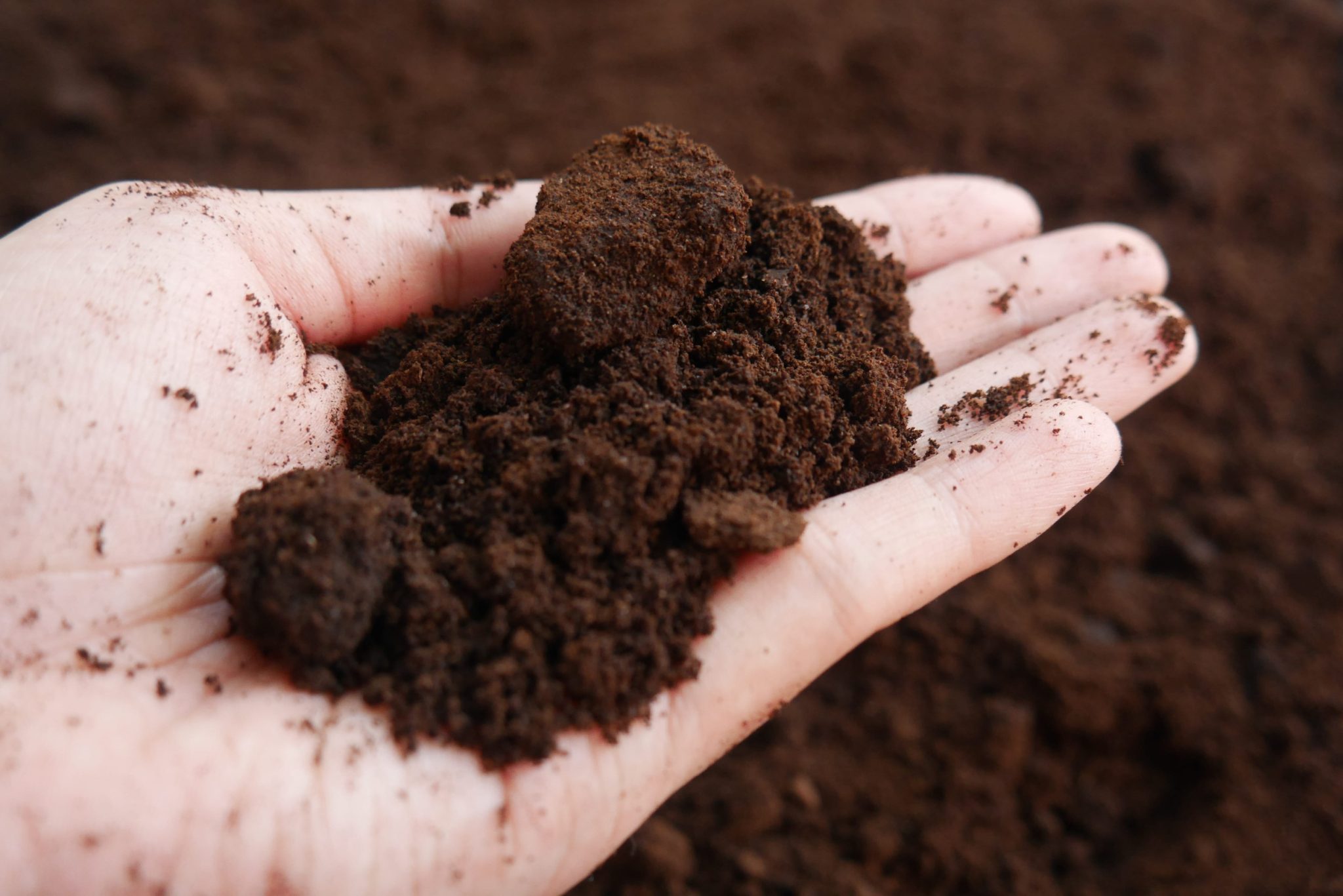
The International Coffee Organization estimates that the world produces over 6 million tons of coffee grounds annually, most of which is tossed into the bin once it’s used.
Looking to find a more useful end life for coffee grounds, scientists at Yokohama National University have examined whether the waste product could serve as a source of cellulose nanofibers — a material that has lately been gaining lots of attention for its potential to form bioplastics.
Turns out that, apart from also serving as a good fertilizer for your plants, coffee grounds are a plentiful source of these nanofibers. Approximately half their weight and volume are made of cellulose — the organic compound that allows plant leaves and stems to be as strong as they are, and from which the cellulose nanofibers are extracted.
The researchers utilized a previously-developed process known as catalytic oxidation, in which a catalyst was used to oxidize the ground beans’ cell walls. The resulting cellulose nanofibers were found to have a desirable uniform structure, making them perfect candidates for the production of biodegradable plastics.
This discovery is a great solution for another potential material source to replace environmentally-taxing single-use plastics.






