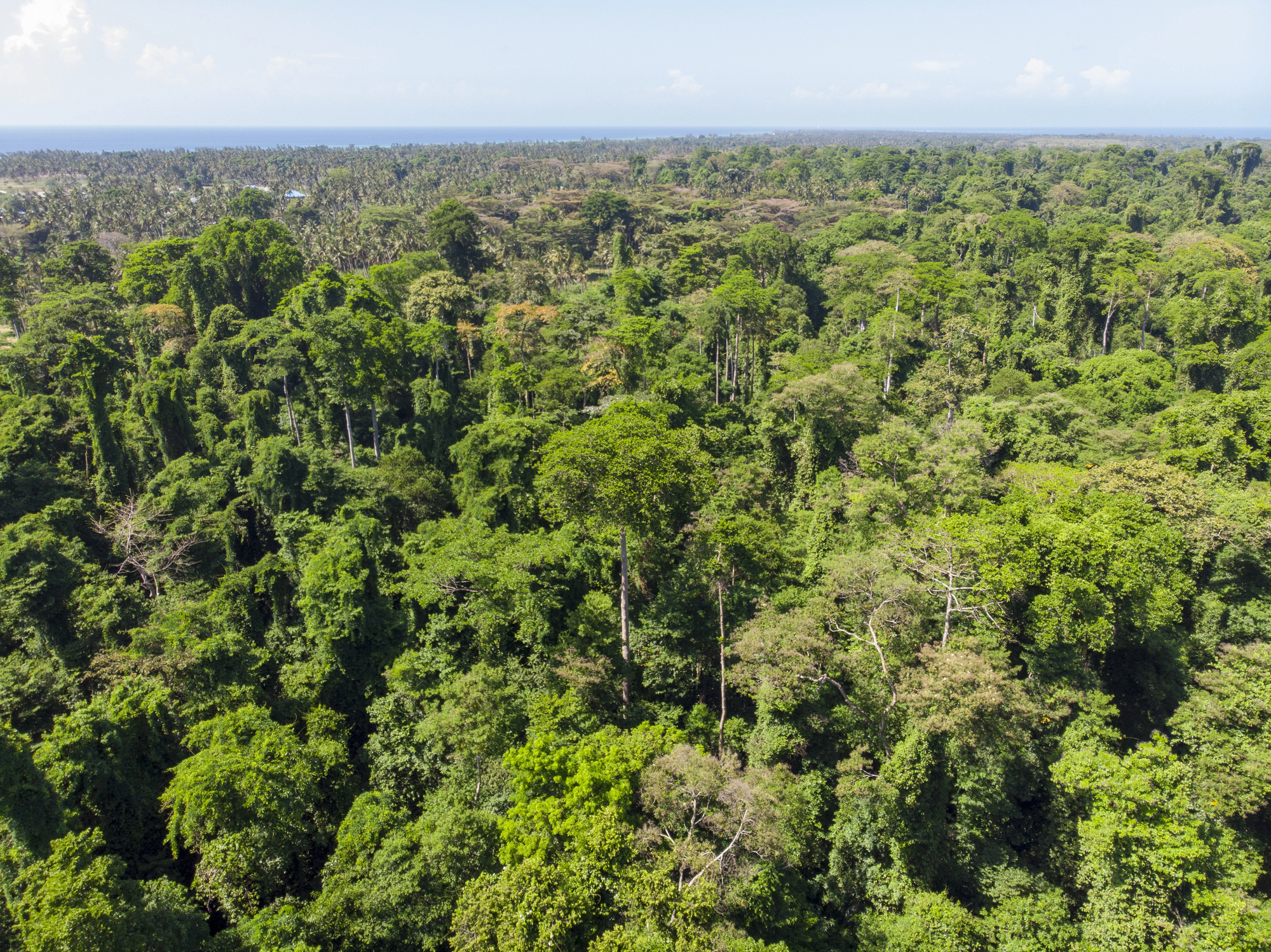
When the coronavirus first started putting nations into lockdown-mode, many publications including our own shared stories about the environmental impact of these lockdowns. Emissions plummeted, skies cleared, and native animals started to appear in streets and waterways usually occupied by humans. These were the immediate visible effects, but what is the longterm impact of the coronavirus lockdowns on the environment?
According to a new study, this pandemic has led to the largest drop in heat-trapping emissions in human history.
Lockdowns, travel bans and closed manufacturing sites have caused global emissions to drop by 4.6%, or 2.5 gigatonnes, according to a University of Sydney review of 38 regions and 26 sectors published in the journal Plos One. Fine particle pollution decreased by 3.8% and two other types of air pollution declined 2.9%: sulfur dioxide – which is linked to a number of respiratory issues, and nitrogen oxide, which leads to smog.
The largest emissions drops occurred in the United States and China, largely due to grounded air travel and a decrease in power, water and gas use. Of course, all of this comes at a huge economic cost.
Still, the dramatic decline still falls short of the efforts needed to limit global heating to 1.5C by 2050. Even if global greenhouse gas emissions were to sustain the 4.6% decline each year, emissions would need to drop another 3% every year between 2020 and 2030 to be on track to limit global warming and avoid the most extreme outcomes of the climate crisis.
But while that fact may be a bit startling, what we should really take away from this is that we must build a post-COVID economy that always takes the environment into account.