


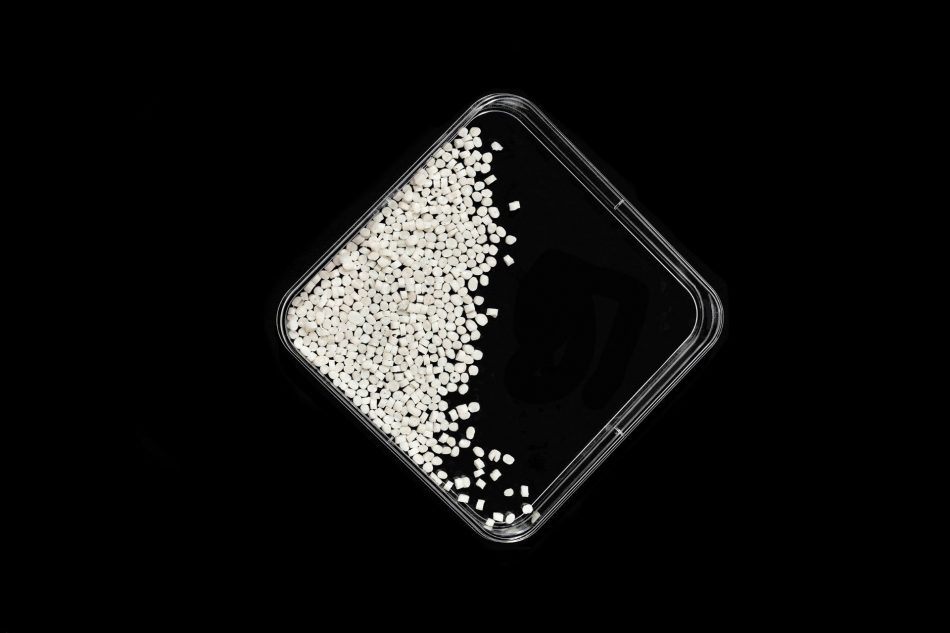
Traditional plastic is made from petroleum and pollutes our environment for centuries when it’s thrown away, so scientists at Germany’s Fraunhofer Institute for Production Systems and Design Technology set out to create a plastic alternative that addresses these two primary problems. They have created an “eco-friendly” plastic alternative made of waste that biodegrades within a year.
To create the plastic, the team started with industrial waste that contained a high level of residual minerals. Using a fermentation chamber and aided by genetically modified bacteria, the team metabolized the minerals into a biopolymer known as polyhydroxy butyrate (PHB). After separating the PHB from the bacteria and mixing it with chemical additives, the researchers were left with a material that closely resembles polypropylene.
When placed in a landfill, the researchers claim the biologically derived polyester will biodegrade with the help of naturally occurring micro-organisms within 12 months. We look forward to following the practical applications of this new plastic technology in the near future.
Image source: Fraunhofer IPK/Andy King






