


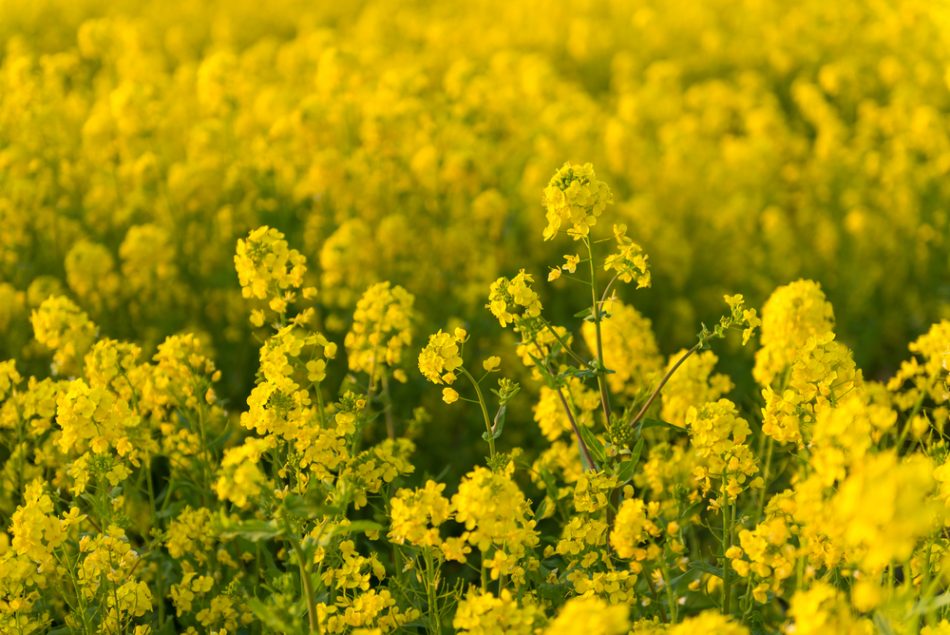
Aviation accounts for about three percent of all global emissions, but coming up with more sustainable fuel sources would significantly gut down on the industry’s footprint. Researchers from the University of Georgia think they have a green fuel solution with the development of a fuel based on oil obtained from Brassica carinata, a non-edible oilseed crop.
The oilseed crop is a type of mustard plant, and according to the study by scientist Puneet Dwivedi, could reduce carbon emissions from planes by up to 68 percent. Dwivedi also explains how US agriculture could be altered to scale up this solution: “If we can secure feedstock supply and provide suitable economic incentives along the supply chain, we could potentially produce carinata-based SAF in the southern United States.”
The research team hopes this solution will play a role in the US’ goal of achieving a 20 percent reduction in aviation emissions by 2030 and a zero-carbon aviation sector by 2050.
Source study: GCB Bioenergy – Break-even price and carbon emissions of carinata-based sustainable aviation fuel production in the Southeastern United States






