


Sometimes it can be pretty difficult to imagine our highly technological society coexisting with the natural world. We seem to live most of our lives entirely online, not just separated from nature, but also from physical space itself. However, scientists from the University of Cambridge have proven that computers can not only coexist with the living world but can also be powered by it.
Macs, PCs, and blue-green algae
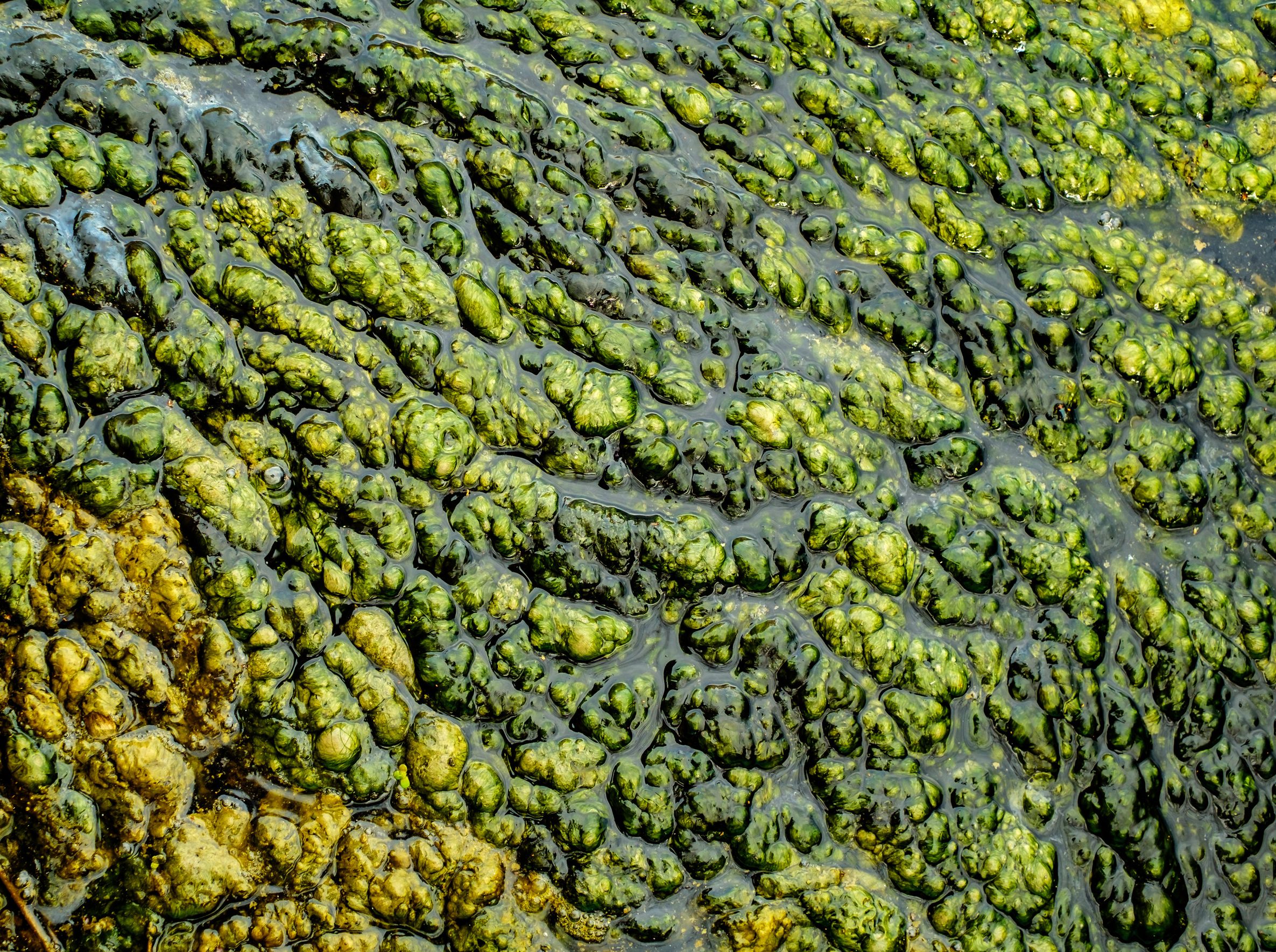
Cambridge researchers developed a battery system close to the size of an AA battery with a type of non-toxic algae called Synechocystis that naturally takes in solar energy by photosynthesis. This produces a small electrical current that interacts with the aluminum electrode attached to the system and powers the microprocessor.
Not only does the system operate on what is essentially biological and very renewable energy, it is made largely of recyclable materials, meaning it could be easily replicated and scaled to be smaller or much larger. According to researchers, this sort of technology would be particularly useful for isolated devices that need to be powered far off the electrical grid, where electricity is limited.
“The growing Internet of Things needs an increasing amount of power, and we think this will have to come from systems that can generate energy, rather than simply store it like batteries,” says biochemist Christopher Howe.
The device does not require anything else to survive and produce energy other than sunlight, which is its main source of food. That being said, it can still produce energy after the sun has gone down, just not as much.
This union of algae and tech could be used in a myriad of applications and could play a vital role in future initiatives to power essential technology in remote locations, like a desalination unit in a remote seaside village.
Source Study: University of Cambridge Research — Algae-powered computing: scientists create reliable and renewable biological photovoltaic cell | University of Cambridge






