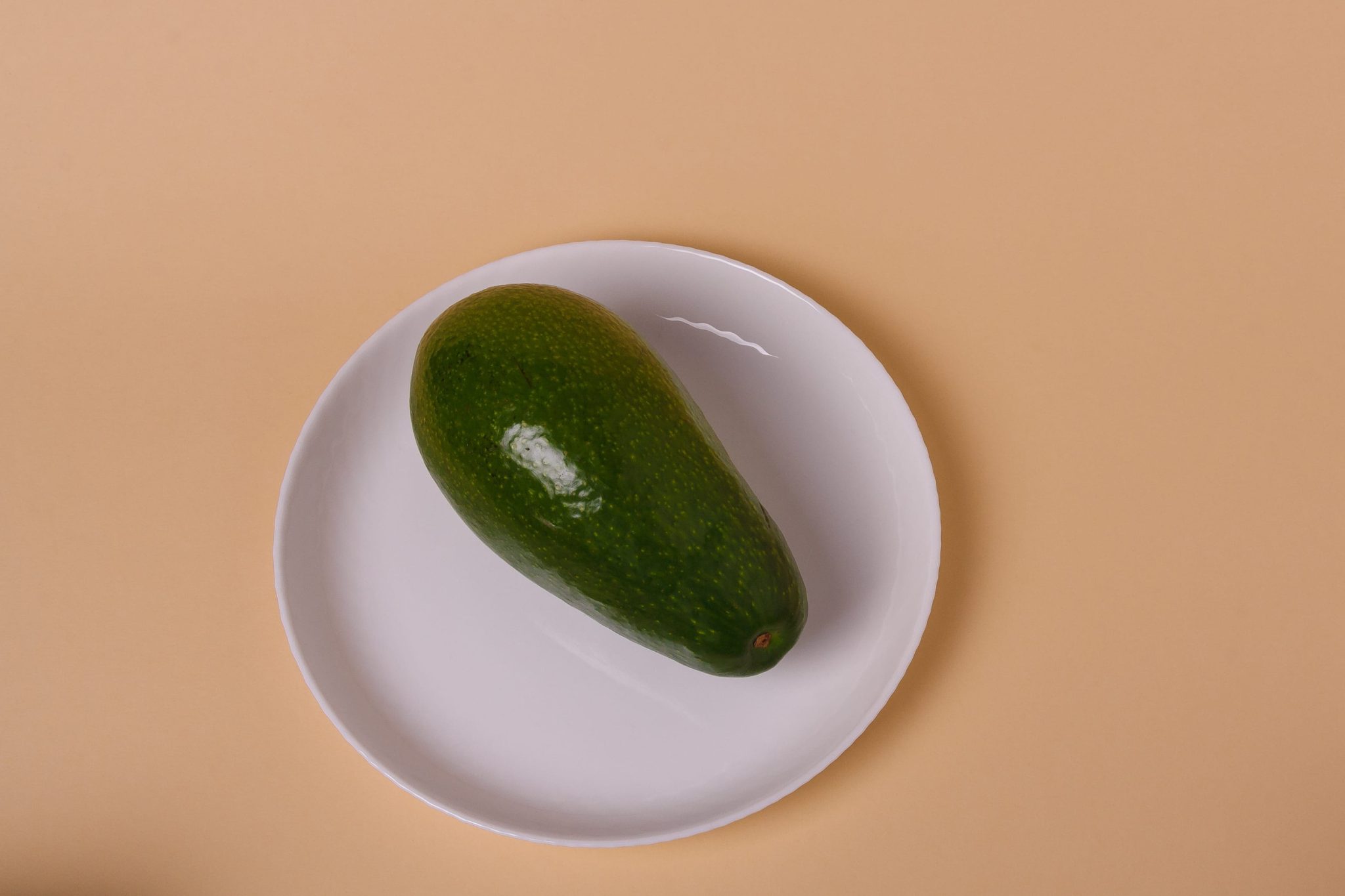
Concerned about the problem of plastic pollution, a scientist has developed a plant-based coating that could make food plastic wrappers obsolete. The biodegradable coating has antimicrobial properties and can easily be sprayed onto produce, such as avocados and citruses, slowing spoilage.
Preventing plastic waste and improving food safety
“We knew we needed to get rid of the petroleum-based food packaging that is out there and replace it with something more sustainable, biodegradable, and nontoxic,” said nanoscientist and study author Philip Demokritou, from the Rutgers School of Public Health. “And we asked ourselves at the same time, ‘Can we design food packaging with a functionality to extend shelf life and reduce food waste while enhancing food safety?’’’
The end result was a scalable technology consisting of smart fibers that can be made from food waste-derived biopolymers. The smart fibers, which can be wrapped directly onto food, are “part of a new generation, ‘smart’ and ‘green’ food packaging,” added Demokritou.
Similar to spider silk
The study, which was conducted together with scientists at Harvard University, describes the technology using the polysaccharide/biopolymer-based fibers. Similar to spider silk, the stringy material can be spun from a heating device about the size of a hair dryer and “shrink-wrapped” over foods of various shapes and sizes, such as a sirloin steak or an aubergine.
The coating is tough enough to prevent bruising and contains antimicrobial agents that slow down spoilage and ward off harmful bacteria like E.coli and listeria. In tests, the coating helped extend the shelf life of avocados by 50 percent. According to the researchers, the protective film can easily be rinsed off with water and biodegrades in soil within three days.
“I’m not against plastics,” Demokritou said. “I’m against petroleum-based plastics that we keep throwing out there because only a tiny portion of them can be recycled. Over the past 50 to 60 years, during the Age of Plastic, we’ve placed 6 billion metric tons of plastic waste into our environment. They are out there degrading slowly. And these tiny fragments are making it into the water we drink, the food we eat and the air we breathe.”
What’s most impressive is that the researchers could potentially program the antimicrobial ingredients in the film — such as thyme oil, citric acid, and nisin — to act as sensors that would activate and destroy specific bacterial strains to ensure food remains uncontaminated.
Source study: Nature Food — Protecting foods with biopolymer fibers