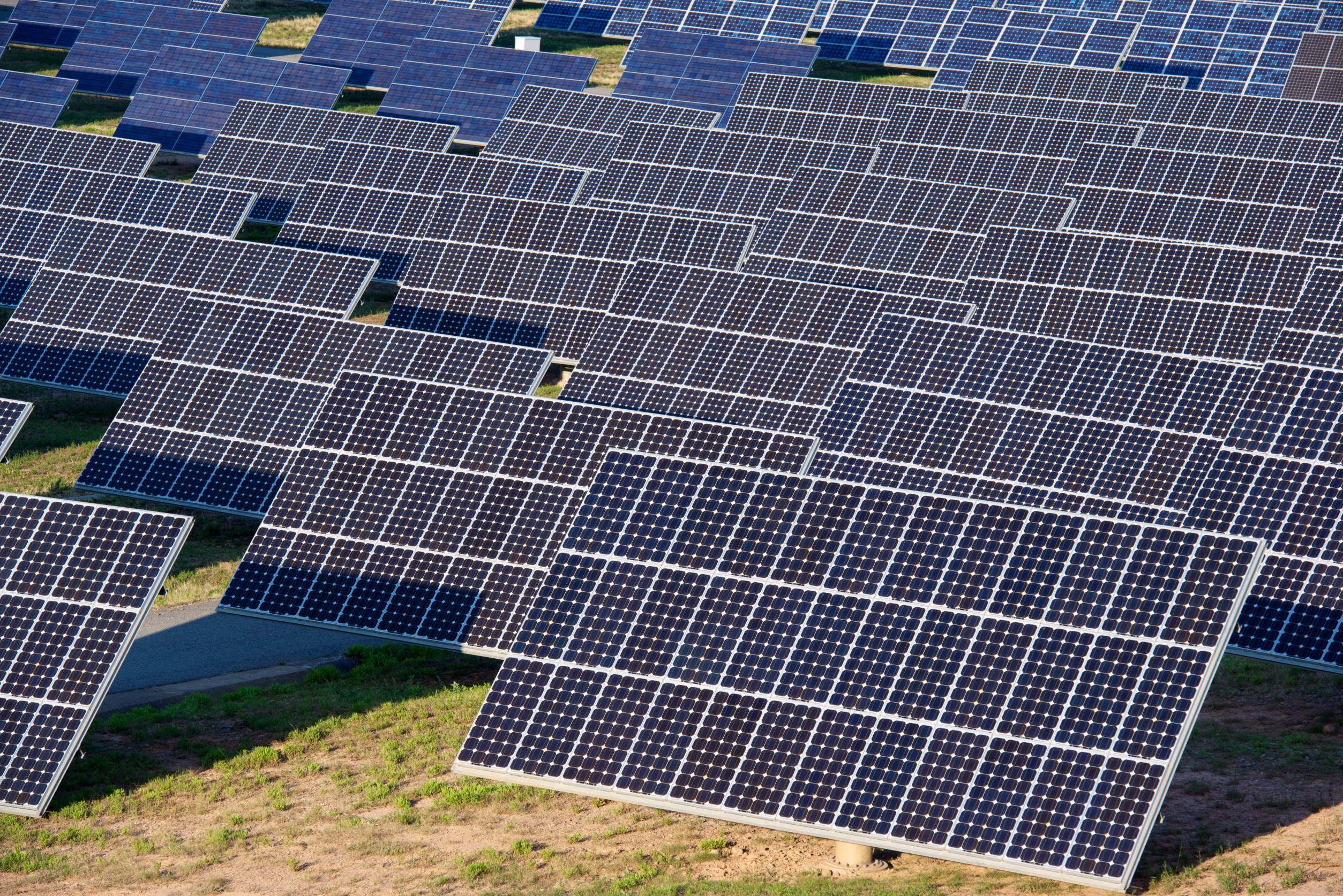
Researchers at the University of Ottawa, in partnership with the National Renewable Energy Laboratory (NREL), announced a ground-breaking innovation to improve solar panel efficiency. By incorporating reflective surfaces beneath solar panels, the researchers increased energy output by an impressive 4.5 percent.
The science behind the innovation
Mandy Lewis, the lead author of the study, emphasizes the significance of this accomplishment, focusing on the careful placement of “artificial ground reflectors” beneath solar panels to enhance light absorption. This clever solution takes advantage of bifacial solar panels’ ability to capture sunlight from both sides, which increases their energy output capability.
The continued evolution of solar tech
While solar technology originated in the 1930s, practical applications did not develop until the 1950s. Solar panels became more popular in the early 2000s, owing to growing worries about energy efficiency and climate change. Bifacial solar cells, launched in the 1970s, were a significant improvement, allowing for increased energy generation.
A collaborative endeavor for global impact
The University of Ottawa’s research collaboration with NREL signals the start of a new era in solar energy innovation. Researchers hope to revolutionize solar power technology by utilizing artificial ground reflectors to maximize energy production in a variety of geographic settings.
Canada, with its heavy snowfall, presents distinct challenges and potential for solar energy utilization. With 65 percent of the country covered in snow for more than half of the year, novel solutions such as reflecting surfaces beneath solar panels represent a possible route for increasing energy output. Bifacial solar systems paired with ground reflectors have the ability to supply 20 percent more energy, making them suitable for places with tough climatic conditions.
Increasing access to solar energy
Ground reflectors improve energy efficiency while simultaneously optimizing space utilization. Increasing energy output requires fewer solar panels, making solar energy more accessible in densely populated urban areas with limited space. This optimization adheres to the notion of “less is more,” encouraging wider use of renewable energy solutions in metropolitan areas.
A sustainable future driven by innovation
As the world’s efforts to battle climate change and switch to renewable energy sources intensify, developments such as ground reflectors highlight solar power technology’s transformative potential. By constantly improving solar energy systems, researchers pave the way for a cleaner, more sustainable future powered by renewable energy solutions.
Source study: Progress in Photovoltaics—Artificial ground reflector size and position effects on energy yield and economics of single-axis-tracked bifacial photovoltaics