BY THE OPTIMIST DAILY EDITORIAL TEAM
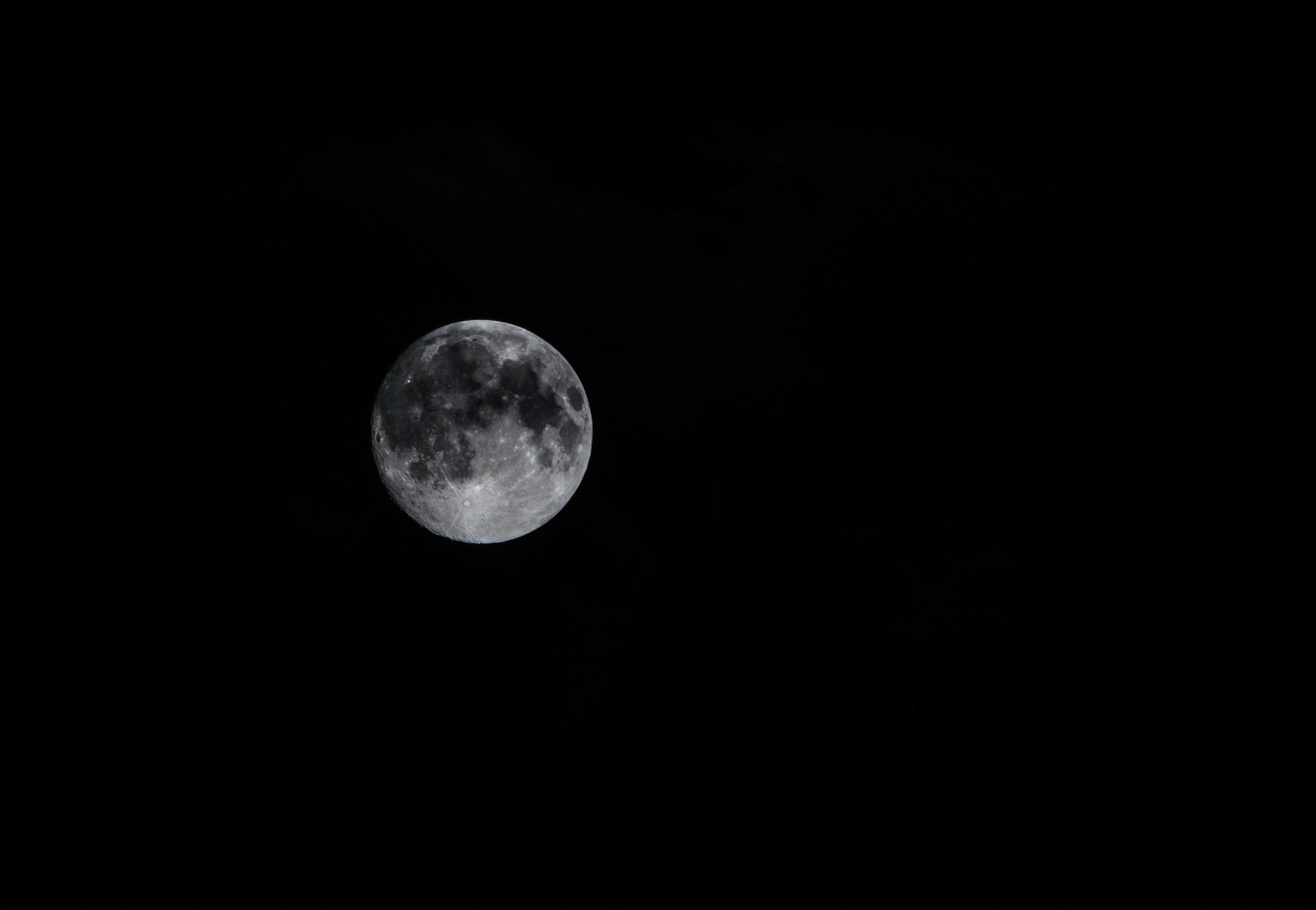
For decades, scientists and space enthusiasts have been fascinated by the idea of building permanent structures on the Moon. Addressing the unique obstacles of building in space has prompted academics to create novel solutions. One such achievement combines material engineering and the beloved and popular LEGO brick.
Meteorite dust turns into building blocks
Scientists at the European Space Agency (ESA) have successfully designed 3D-printed bricks made from meteorite dust that is 4.5 billion years old. These structures, known as ESA Space Bricks, are part of a larger attempt to build sustainable and clean buildings on the Moon. The proposal attempts to allow lunar inhabitants to use resources found on the Moon’s surface, minimizing their reliance on Earth-sourced supplies. These bricks might be used to build shelters, launch pads, and other important infrastructure on the Moon.
Why Lego-inspired designs?
The decision to base these bricks on LEGO parts was both practical and inventive. While the ESA Space Bricks are not designed for actual lunar construction, their development proves the capability of 3D printing long-lasting, interlocking building components from lunar materials.
“Nobody has built a structure on the Moon, so it was great to have the flexibility to try out all kinds of designs and building techniques with our space bricks,” Aidan Cowley, an ESA science officer, said. “It was both fun and useful in scientifically understanding the boundaries of these techniques.”
Future prospects for space bricks
These creative concepts may find practical application sooner than expected. As part of the Artemis Program, a crew of NASA astronauts will land near the Moon’s South Pole in late 2026, perhaps testing these approaches. However, until then, the ESA has shared single bricks with select LEGO stores across the world, allowing the public to see these ground-breaking advances until the end of September.
Developing the future of space exploration
The ESA Space Bricks project demonstrates how advances in 3D printing and material science might pave the way for future space exploration. By utilizing locally available materials, such programs have the potential to dramatically reduce the costs and logistical constraints associated with the construction of lunar habitat.
This initiative is a step toward sustainable space life, in line with the larger goal of creating a human presence beyond Earth. “It’s about using what’s there,” Cowley said, emphasizing the significance of in-situ resource utilization (ISRU) in future space missions.
From concept to reality
While the current focus is on research and development, the potential uses for ESA Space Bricks are vast. If effective, these bricks could change the way we think about building in space, turning science fiction into reality. The utilization of 3D printing technology to manufacture interlocking, long-lasting structures from lunar dust represents a significant shift in space exploration techniques.