BY THE OPTIMIST DAILY EDITORIAL TEAM
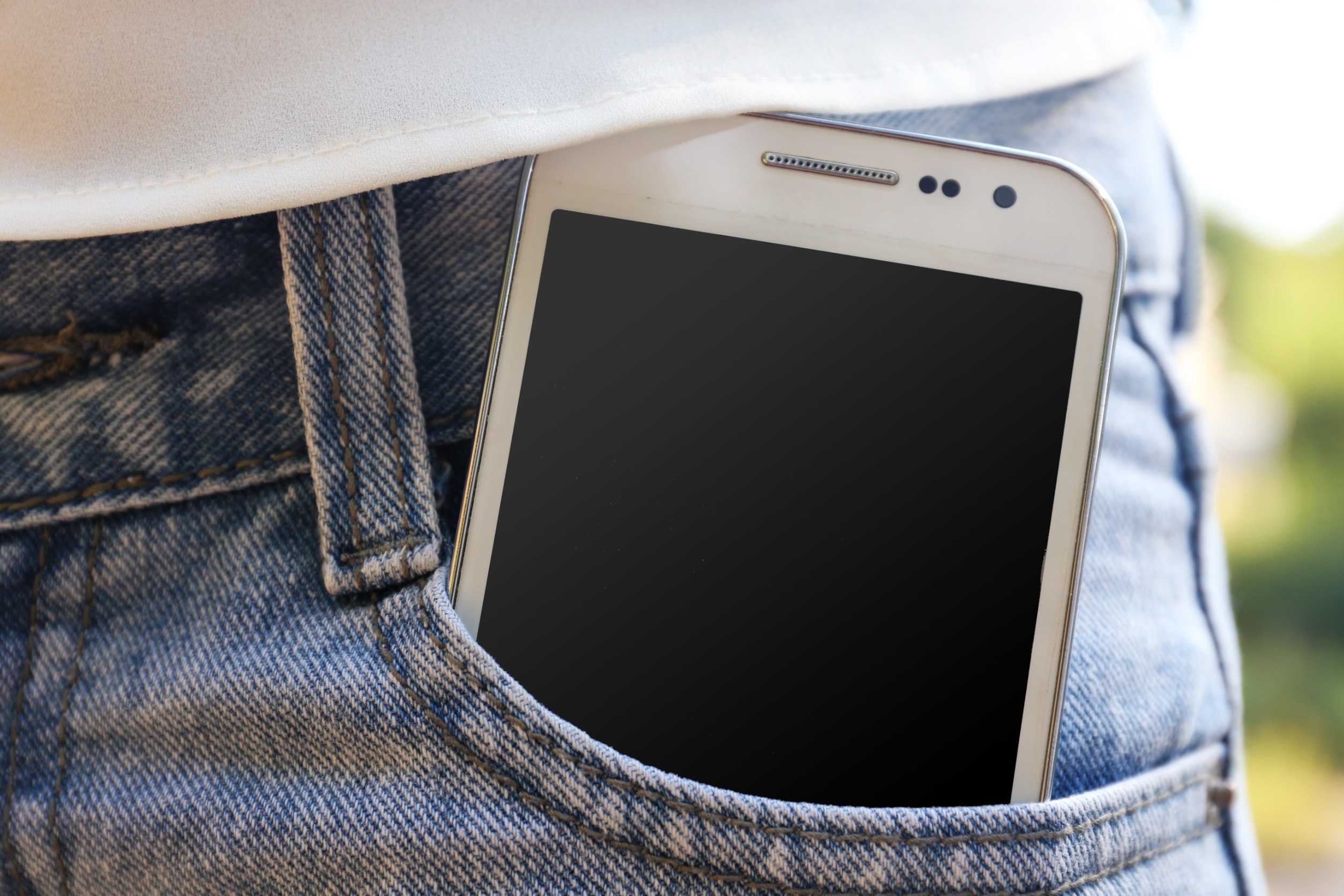
Fifty years after the first mobile phone call, the device in your pocket today plays an important role in a developing global earthquake detection system. On October 25, 2022, a 5.1-magnitude earthquake affected California’s Bay Area. While the quake caused little damage, many residents received phone alerts before the tremors struck, providing a small but critical window that could one day save lives.
Google, in partnership with the United States Geological Survey (USGS) and Californian academic institutions, created an early warning system that delivers valuable seconds of notice before an earthquake strikes. “We’re essentially racing the speed of light against the speed of an earthquake,” explained Marc Stogaitis, a software engineer at Android. This small head start enables people to seek shelter, stop cars, or discontinue important infrastructure activities like operating train lines.
Crowdsourced earthquake detection
Seismometers, which are highly sensitive sensors designed to detect ground tremors, have traditionally been used for earthquake detection. California’s ShakeAlert system receives data from over 700 seismometers. Google has now enlarged this network by connecting to the accelerometers found in most Android smartphones. These tiny sensors, often used to detect phone orientation or count steps, are sensitive enough to detect an earthquake‘s early P-waves.
When a phone senses these vibrations, it transmits information to the Android Earthquake Alerts System. The technology can immediately detect and locate the site of an earthquake by evaluating inputs from thousands, if not millions, of phones. This information is later used to send alerts to users in locations where shaking is undeniably on the way.
Reaching the unreachable
The scalability and accessibility of this technology are its greatest strengths. With over three billion Android devices in use worldwide, the Earthquake Alerts System has the ability to deliver early warnings in areas without significant seismometer networks. This method has the potential to revolutionize earthquake detection in distant or economically disadvantaged locations with limited traditional infrastructure.
In fact, during the October 2022 earthquake in the Bay Area, the system successfully used data from multiple smartphones to trace the quake’s course. The ensuing alerts, sent via the USGS’s ShakeAlert system, gave households crucial moments to prepare.
The future of earthquake alerts
While the technology shows promise, it is not without restrictions. The system’s efficiency may be weakened in rural places with fewer smartphone users, as well as during offshore earthquakes that can produce tsunamis. Additionally, while these signals can provide a few seconds of notice, the elusive aim of forecasting earthquakes before they strike remains out of reach.
Nonetheless, this novel application of ordinary technology is a huge step forward in earthquake preparedness. Android users can enable earthquake warnings in the Safety and Emergency section of their phone’s settings.