


BY THE OPTIMIST DAILY EDITORIAL TEAM
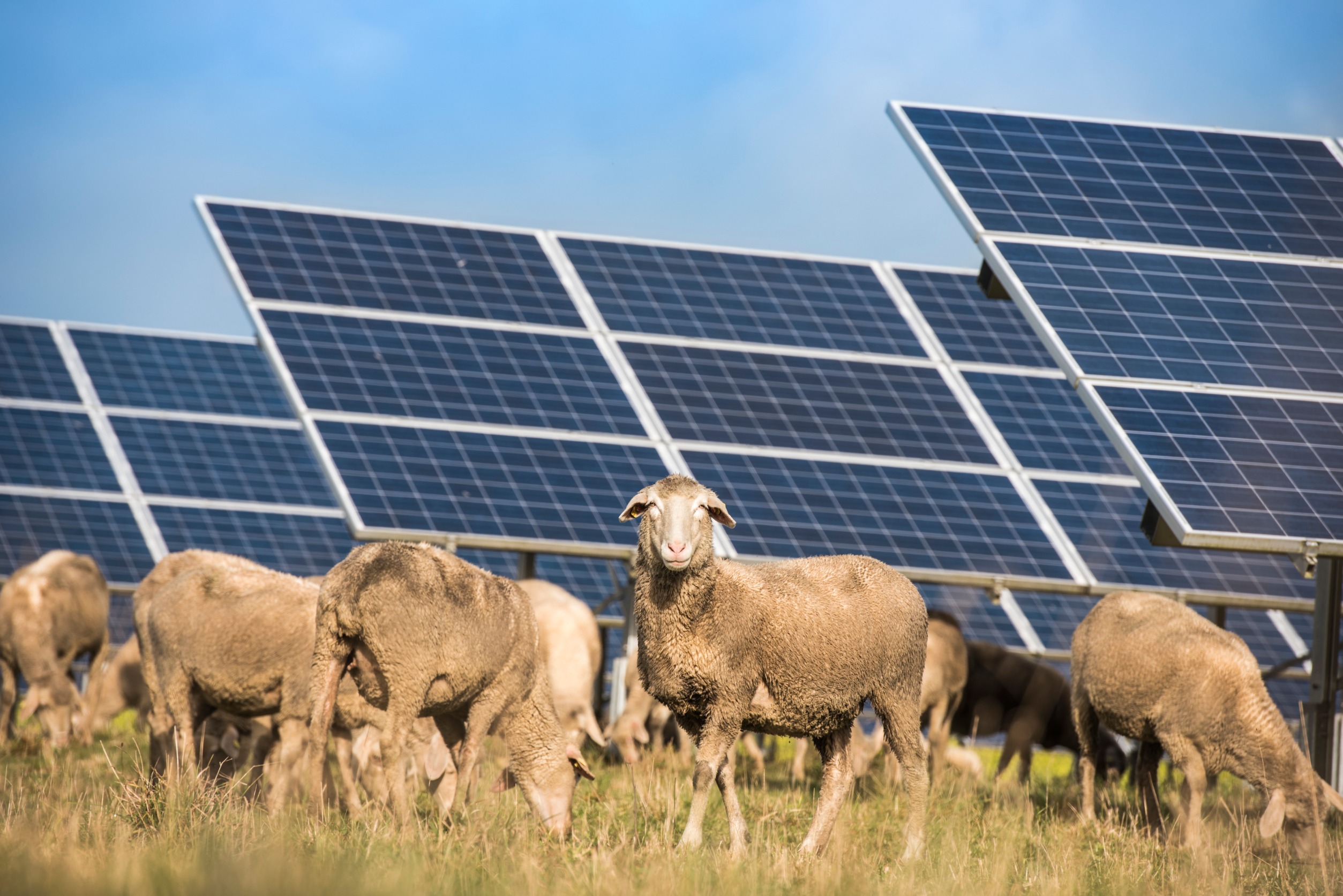
As the United States accelerates its shift to renewable energy, Texas is pioneering an unusual approach that combines solar power generation and sustainable agriculture. This method, known as agrivoltaics, combines solar panels with agricultural practices to increase land use efficiency. However, in this historic endeavor, 6,000 sheep will be put to work, grazing on 10,000 acres of solar fields in Texas. This collaboration between Texas Solar Sheep and Enel North America marks the country’s largest solar grazing project, ushering in a new age of clean energy production.
A symbiotic relationship between solar and agriculture
Agrivoltaics, or the practice of combining solar power generation with farming, is gaining popularity as a sustainable land-use solution. JR Howard, the owner of Texas Solar Sheep, is the driving force behind this effort. Howard developed a successful business by delivering sheep to solar farms, where they graze on the greenery beneath the panels. “This is the greatest opportunity for the sheep industry in my lifetime,” Howard stated, emphasizing the power of agrivoltaics to impact both the energy and agricultural sectors.
Three years ago, Howard began with only 400 sheep on a single solar installation. Today, his business has expanded dramatically, with over 10,000 sheep grazing on numerous solar farms. The alliance with Enel North America is a crucial step forward in this quest, with 6,000 sheep scheduled to maintain vegetation across eight solar fields. These installations, which cover an area roughly the size of Manhattan, currently generate 2.6 gigawatts of power, with several still under development.
This reciprocal relationship benefits both the energy producers and the ecosystem. Sheep are particularly successful in managing grass under solar panels because they can readily negotiate tight spaces that conventional lawnmowers cannot reach. This natural grazing not only lowers maintenance costs but also improves the effectiveness of solar activities.
Financial and environmental advantages of solar grazing
The economic benefits of solar grazing are enormous. For corporations like Enel, incorporating sheep into their solar farms is a cost-effective method to manage property. “Ultimately, we’re a business,” explained Jesse Puckett, Enel’s head of sustainability programs and community affairs. “This is one way that we can enhance the bottom line and build sustainability into our project.”
Solar grazing also has substantial environmental benefits. Traditional mowing methods rely on fossil fuels, which add to greenhouse gas emissions. In contrast, using sheep for vegetation control lowers the carbon footprint of solar farms. Furthermore, sheep excrement functions as a natural fertilizer, which improves soil quality. At one of Enel’s solar sites in Minnesota, where sheep grazing was added in 2017, organic matter in the soil increased by 200 percent.
On top of improving soil health, solar grazing also promotes biodiversity. By allowing native plants to thrive, these programs provide habitat for pollinators such as bees while also preventing soil erosion. The sheep benefit from the solar panels’ shade, which keeps them cool and reduces their water consumption while grazing.
The future of agrivoltaics
As the United States attempts to reach its renewable energy targets, agrivoltaics is becoming increasingly necessary. According to the US Energy Information Administration, solar power is expected to drive growth in US electricity generation over the next two years. While much of this solar capacity will be built on roofs and non-arable land, some will undoubtedly require agricultural land.
Jordan Macknick, lead energy, water, and land analyst at the National Renewable Energy Laboratory, recognizes the need to use some farmland for solar projects. However, he points out that even if every new solar installation was built on agricultural land, it would still account for less than one percent of the country’s total cropland by 2050. Agrivoltaics provides a technique to maximize this land usage, allowing farmers to continue agricultural activities while also contributing to renewable energy production.
Enel’s approach to agrivoltaics extends beyond sheep grazing. Several of their sites will also include beekeeping, native plant habitats, and hay production to increase the sustainability of their solar installations. “We have this amazing opportunity to do things a little bit different,” Puckett said, underlining agrivoltaics’ potential to transform the business.
For farmers like Howard, the expansion of solar grazing means new prospects. Over the following two weeks, he will get more sheep from other farms to match the growing demand. His idea extends beyond his own firm; he aims to someday assist other farmers in establishing their own sheep-for-solar venture.






