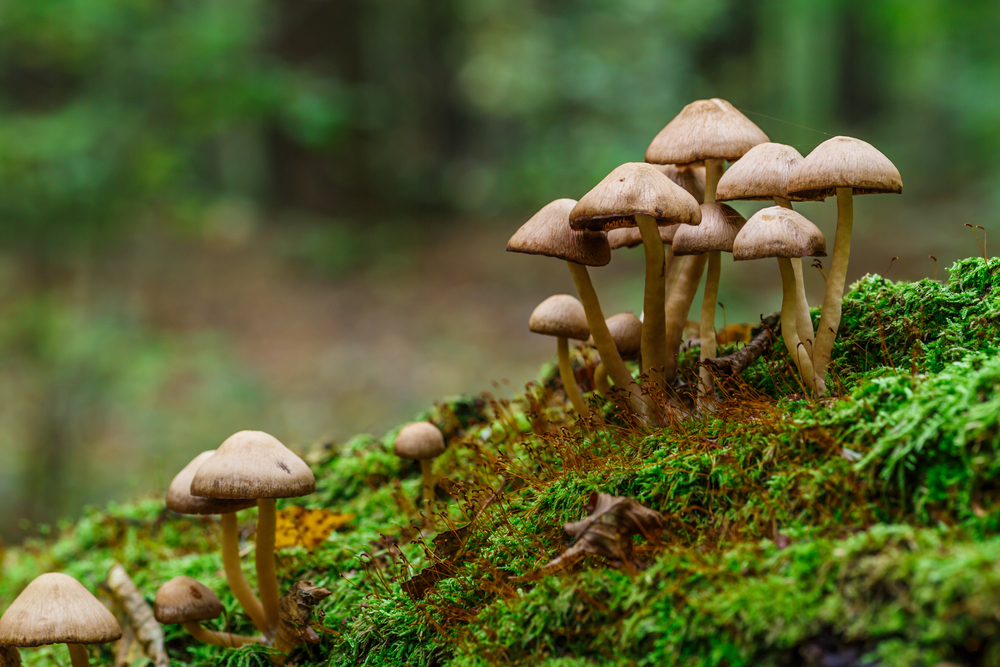
In a world overrun with plastic waste, the potential hero may arise from the humble realm of fungi. With between two and four million species worldwide, these often overlooked creatures hold possibilities ranging from alternative building materials to cleansing environmental toxins. Scientists are now using the power of mushrooms and mycoremediation to address the growing plastic pollution catastrophe.
Understanding mycoremediation
Mycoremediation, a subtype of bioremediation, uses fungi to degrade environmental contaminants. Unlike bacteria-based bioremediation approaches, fungi employ their mycelia, or thread-like root systems, to devour contaminants externally. Enzymes break down molecules in pollutants and poisons, effectively turning them into nutrients.
Fungi: unsung heroes in environmental cleanup
Mushrooms have demonstrated their worth in cleaning up various types of industrial and agricultural waste. Oyster mushrooms, for example, have successfully cleaned E. coli from contaminated water and toxic ash from wildfires. Now, the focus is on their ability to combat one of our generation’s most prevalent pollutants: plastic.
Mycoremediation in action
Plastic, known for its inability to degrade, presents a massive hurdle. However, research has revealed the amazing potential of a certain fungus. Pestalotiopsis microspora, discovered by students on a class research trip in the Amazon rainforest, has emerged as a possible remedy. This unusual mushroom, according to a 2011 Yale University study, can break down polyester polyurethane, a common plastic, in two weeks. Pestalotiopsis fungi demonstrate the ability to consume plastic as their primary source of carbon and transform it into organic matter. The result opens the possibility of using mycoremediation in landfills, waste treatment facilities, and even ocean plastic gyres.
Non-recyclable plastics: addressing the challenge
Certain plastics, such as polypropylene, pose significant recycling issues. The University of Sydney’s research shows that fungi, notably Aspergillus terreus and Engyodontium album, are effective at breaking down polypropylene. After 90 days of incubation, the plastic had decreased by 25-27 percent. This intriguing outcome opens up possibilities for handling non-recyclable plastics on a larger scale.
In 2017, Sehroon Khan of the Kunming Institute of Botany conducted a pioneering experiment in a metropolitan rubbish dump in Islamabad, Pakistan. Khan collected Aspergillus tubingensis, a fungus capable of breaking down polyurethane, and revealed the fungus’ ability to break down plastic within weeks. This experiment demonstrated the potential of fungi in tackling plastic waste in real-world circumstances.
Innovations in plastic waste management
Fungi aren’t limited to research labs; they are making strides in practical applications.
Fungi Solutions conducted an experiment in Melbourne, which revealed oyster mushrooms’ outstanding capabilities. Within seven days, the trial showed their ability to break down toxins and microplastics present in cigarette butts. The group estimates that this technology can remove 1.2 million cigarette butts from landfills, giving a real solution to a widespread plastic waste problem.
The Fungi Mutarium, designed by Katharina Unger in collaboration with Utrecht University in the Netherlands, incorporates novel recycling mechanisms. Oyster and split gill mushrooms feed on agar pods and UV-treated plastics. This system not only demonstrates the feasibility of smaller-scale household solutions but also envisions larger systems in recycling centers for community use. Furthermore, some mushrooms that feed on plastic in these settings, such as the Fungi Mutarium, produce edible mycelia.
Sustainable solutions to a global crisis
As the plastic pollution problem worsens, mycoremediation appears as a natural and sustainable answer. With 8.3 billion tons of plastic created since the 1950s, the need for environmentally sustainable alternatives grows. The potential of mycoremediation offers hope for global plastic waste management.
Mycoremediation demonstrates fungi’s extraordinary powers, which have the potential to change our approach to plastic waste management. From landfills to everyday plastic use, mushrooms offer a sustainable and environmentally beneficial solution in the fight against plastic pollution.
We’re thrilled to feature this article in our annual “Best Of” roundup, celebrating the most impactful solutions shared on The Optimist Daily this year. Today, we’re spotlighting the top environmental innovations and achievements of 2024—stories that inspire hope and action for a sustainable future.