


BY THE OPTIMIST DAILY EDITORIAL TEAM
As the need for rechargeable technology—from smartphones to electric vehicles—increases, so does the demand for lithium. This rare element fuels much of our contemporary world, and this means efficient recovery from spent batteries is becoming increasingly important. Fortunately, Rice University researchers have found a game-changing approach for lithium recycling.
Lithium: the essential element
Lithium plays a vital function in energy storage. This lightweight element, capable of storing enormous energy, powers the ever-expanding $65 billion lithium-ion battery business, which is expected to rise by 23 percent over the next eight years. However, mining lithium is inextricably linked with environmental degradation and geopolitical tensions, with experts forecasting a supply shortage by 2030.
Given these issues, the attention has switched to more sustainable solutions, such as developing alternatives to lithium-based batteries or improving recycling technologies. Traditional lithium recycling practices, however, are notoriously ineffective, recovering less than five percent of the lithium while requiring harsh chemicals. Rice University’s innovative method provides an appealing alternative.
The microwave solution
At the heart of the new approach is the use of deep eutectic solvents (DES), which are environmentally friendly liquids capable of precipitating metals from solutions. “The recovery rate is so low because lithium is usually precipitated last after all other metals,” says Salma Alhashim, a Rice PhD alumnus and one of the study’s lead authors. “Our goal was to figure out how we can target lithium specifically.”
The researchers utilized a DES composed of choline chloride and ethylene glycol, which encapsulates lithium ions and leaches them into the solution. Traditional procedures involve heating compounds in an oil bath, which is slow and can degrade the lithium. The creative solution? Using microwaves instead.
Lightning-fast lithium recovery
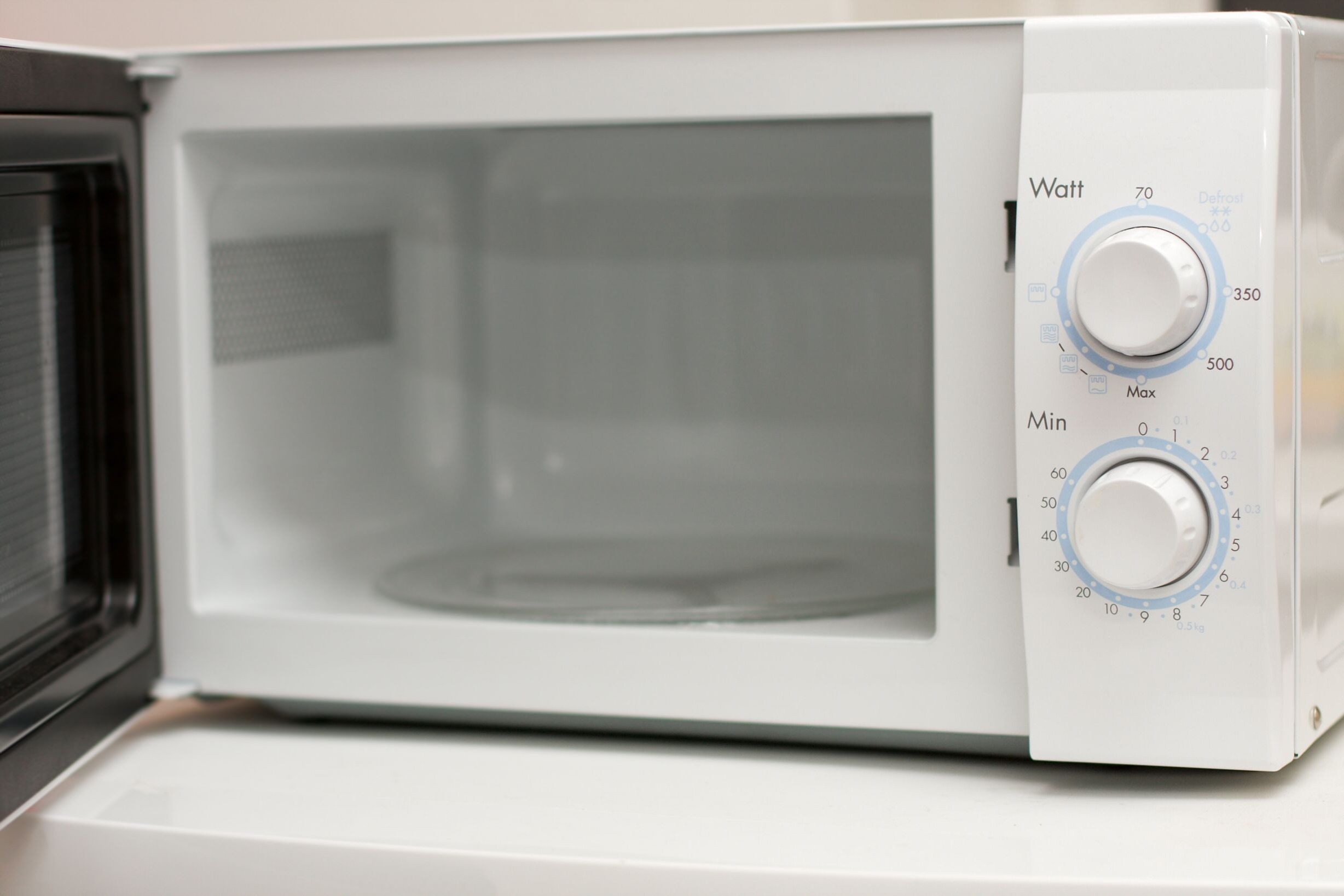
Microwaves transformed the process, cutting recovery time from 12 hours to 15 minutes and obtaining an 87 percent lithium recovery rate. “Using microwave radiation for this process is akin to how a kitchen microwave heats food quickly,” says Sohini Bhattacharyya, a lead author and postdoctoral fellow. “The energy is transferred directly to the molecules, making the reaction occur much faster than conventional heating methods.”
This approach not only speeds up lithium recovery but also allows for the selective targeting of lithium over other metals. By adjusting the DES composition, the process can be employed to extract other important metals such as cobalt or nickel from obsolete batteries.
Environmental and economic benefits
Pulickel Ajayan, the corresponding author and Rice’s head of materials science and nanoengineering emphasizes the environmental benefits. “This method not only enhances the recovery rate but also minimizes environmental impact, making it a promising step toward deploying DES-based recycling systems at scale for selective metal recovery.”
This groundbreaking study, which appears in Advanced Functional Materials, represents a huge advancement in sustainable technology. The Rice University team’s revolutionary approach to lithium recycling provides a speedier, more efficient, and ecologically responsible alternative, opening the way for a more sustainable energy storage future.
Source study: Advanced Functional Materials—Microwave assisted ultrafast, selective lithium extraction in deep eutectic solvent for LIB cathode recycling
Today’s highlights from our annual “Best Of” roundup shines a light on the top Science breakthroughs of 2024. These discoveries not only expand our understanding of the world but also inspire hope for a future powered by innovation and knowledge.






