BY THE OPTIMIST DAILY EDITORIAL TEAM
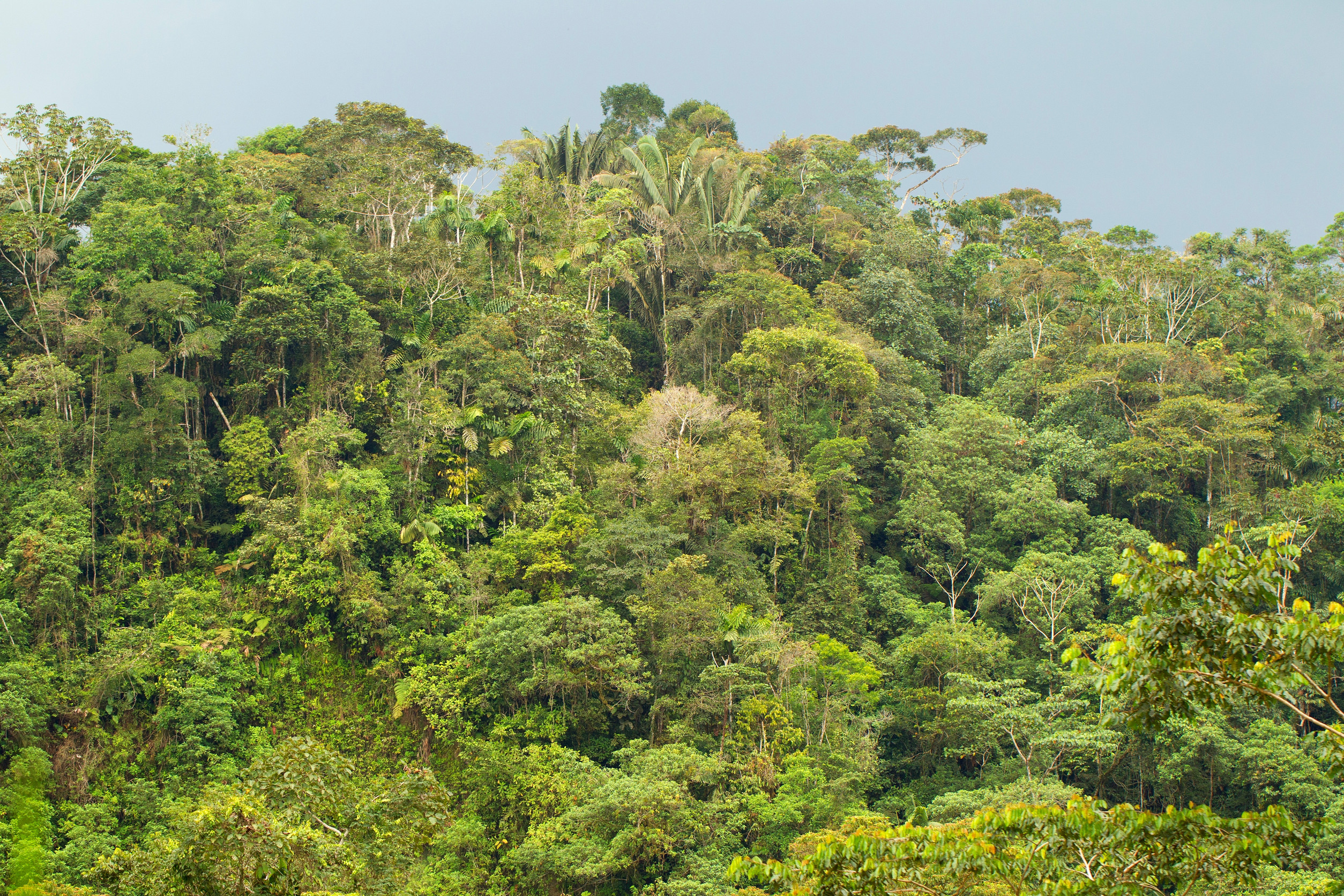
When we talk about the Amazon rainforest and climate change, the news is usually grim: deforestation, rising temperatures, and biodiversity loss. But a new study offers an unexpected bit of hope. Despite the growing pressures of global warming and human impact, Amazon trees are getting bigger.
According to research published in Nature Plants, an international team of scientists has found that large trees in the Amazon are increasing in size by a little more than three percent per decade. The research team, led by University of Cambridge ecologist Adriane Esquivel-Muelbert, analyzed long-term data from 188 permanent forest plots and discovered a consistent pattern: the biggest trees are growing even larger.
Carbon growth, carbon storage
The findings are striking because they challenge the assumption that climate stressors would shrink or weaken trees over time. Instead, the rise in atmospheric carbon dioxide appears to be acting as a growth stimulant. Esquivel-Muelbert explained, “Large trees are hugely beneficial for absorbing CO2 from the atmosphere and this study confirms that.”
In particular, the study tracked increases in “basal area”, which is the measurement of the cross-section of tree trunks at chest height, and found that this key growth indicator rose by 3.3 percent per decade for larger trees.
This phenomenon defies what scientists call the “large-trees-lose hypothesis,” which predicts that bigger trees are more vulnerable to climate stress like drought or wind damage. But for now, these towering giants seem to be holding their own.
A resilient (but threatened) forest
That resilience offers a glimmer of hope. The Amazon rainforest remains one of Earth’s most important carbon sinks, soaking up as much as one-quarter of the carbon dioxide absorbed by land ecosystems globally. And while its overall health is under threat with about 121 million acres of forest lost in the last 40 years, this adaptive response suggests the forest still has tools to survive.
“Despite concerns that climate change may negatively impact trees in the Amazon and undermine the carbon sink effect, the effect of CO2 in stimulating growth is still there,” Esquivel-Muelbert said.
Other forests appear to be responding similarly. A 2023 study from the University of New Brunswick projected that boreal forests could grow 20 percent faster by 2050 thanks to warmer temperatures and longer growing seasons.
Hope versus reality
Still, researchers caution that the Amazon’s growth spurt doesn’t mean the rainforest is safe. As co-author and University of Leeds ecologist Oliver Phillips warned, “The only way the giants will stay healthy is if the Amazon ecosystem stays connected. Deforestation is a huge threat-multiplier and will kill them if we let it.”
In 2024 alone, tropical rainforests experienced some of the worst losses on record, highlighting that tree growth alone cannot offset destruction caused by humans, wildfires, or extreme weather events.
The take-home message? Let forests do what they do best. If given the chance, they can store carbon, regulate ecosystems, and help slow the pace of climate change. But their survival depends on our willingness to protect them.