BY THE OPTIMIST DAILY EDITORIAL TEAM
Scotland took its next step toward reaching net-zero greenhouse gas emissions by 2045, releasing a sweeping draft climate action plan that outlines how the country intends to reduce emissions across transportation, energy, agriculture, and land use over the next two decades. While supporters see the plan as a reaffirmation of Scotland’s climate leadership, critics argue that more detail and clearer commitments are urgently needed.
A renewed push for climate progress
Climate Action Secretary Gillian Martin stressed the urgency of the moment when presenting the draft plan to the Scottish Parliament. She noted that Scotland is already experiencing the impacts of global warming, including flooding, heatwaves, and wildfires. “Parliament has to act,” she said, pointing to what she described as Scotland’s “massive untapped potential” in renewable energy.
The strategy spans the period through 2040, five years before Scotland pledged to effectively eliminate greenhouse gas emissions. It reaffirms a major shift away from fossil fuels: phasing out the sale of new petrol and diesel vehicles by 2030 and transitioning homes and commercial buildings to low-carbon heat systems by 2045.
Transforming how Scotland heats and moves
One of the largest pieces of the plan focuses on how people heat their homes. The government proposes requiring non-domestic buildings to connect to expanded low-carbon district heating networks, and encourages homeowners to shift away from oil and gas boilers.
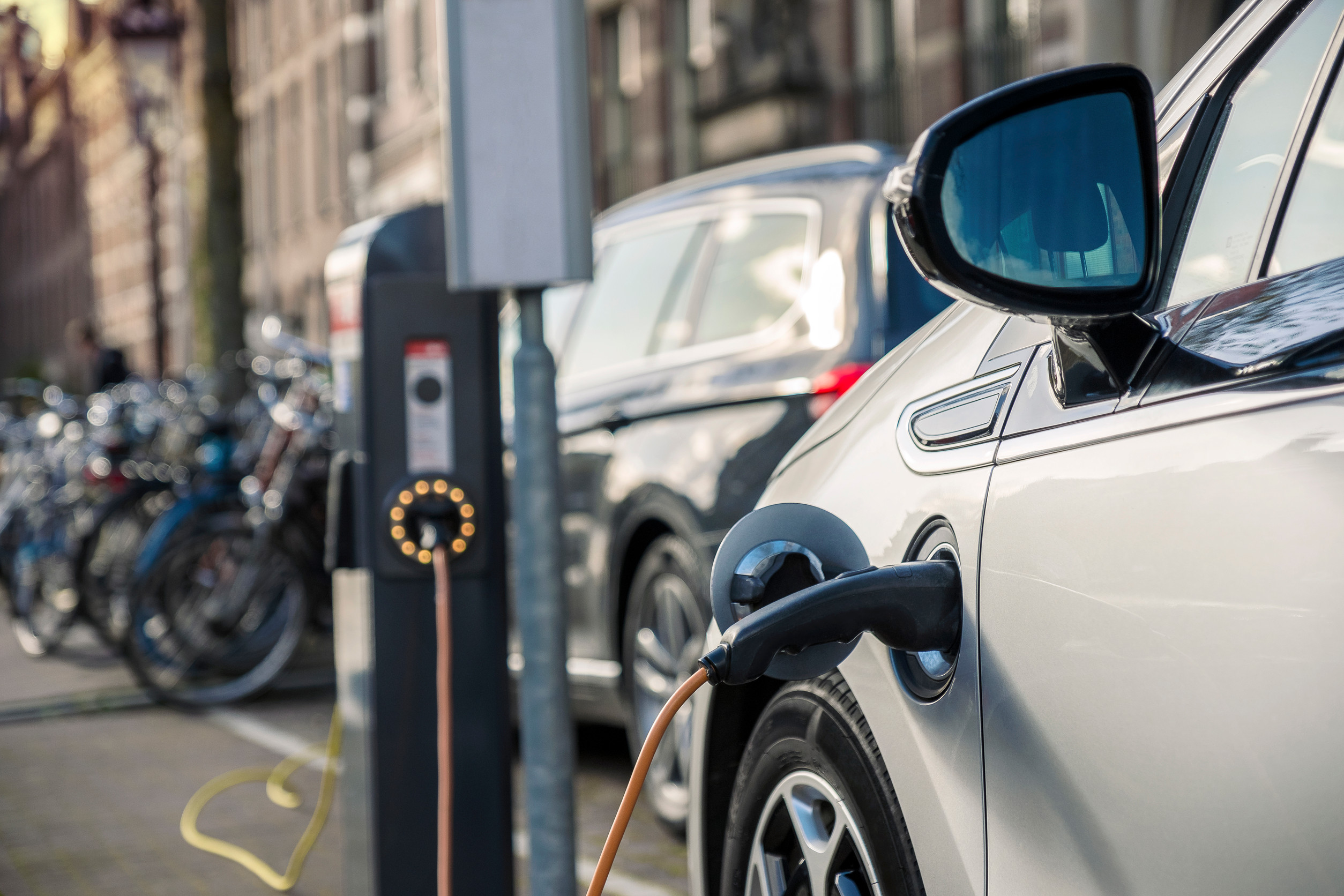
Transportation remains a major area of change, too. The government plans to offer incentives that make electric vehicles more accessible to drivers and expand infrastructure to support them. The strategy also pledges to increase Scotland’s woodland planting to 18,000 hectares annually by 2029-30.
Restoring landscapes to balance emissions
Agriculture remains Scotland’s third-largest source of emissions, and earlier recommendations suggested that reducing cattle numbers would be necessary to meet targets. However, the government has committed to maintaining livestock levels.
To help balance this, the plan calls for accelerated peatland restoration. Much of Scotland’s peatlands are in degraded condition and release carbon rather than store it. The government aims to restore roughly one-fifth of these areas (about 400,000 hectares) by 2032. This will require significant long-term investment and planning.
These measures are combined with faster decarbonisation of fuel supplies, including expanding wind and solar generation. Martin emphasized the need for a “just transition” that supports oil and gas workers as the economy shifts toward green industries.
A costly plan with long-term benefits
The government estimates that implementing the plan will cost £4.8 billion (roughly $6.3 billion) between 2026 and 2040. However, it projects that the benefits, which include job creation, lower emissions, and warmer homes, could total more than £42 billion (roughly $55.3 billion).
Critics call for clearer details
Parties across the political spectrum have responded with skepticism. Scottish Conservative spokesperson Douglas Lumsden argued that the plan “rehashes existing policies” and does not address concerns about the costs of transitioning to electric vehicles and heat pumps.
Labour MSP Sarah Boyack called for more robust plans to retrofit homes and help local authorities build green jobs. Green MSP Patrick Harvie said the government is “years behind” on climate action and criticized what he sees as a lack of clarity on fossil fuel extraction.
Environmental groups also raised concerns. Friends of the Earth Scotland said the plan would “barely scratch the surface” of what is needed to support households, improve public transit access, and provide security for workers in transitioning industries.
A nation navigating competing pressures
Scotland has already reduced its emissions by more than 50 percent since 1990. However, the government has struggled to meet annual and interim targets, and recently shifted to a system of five-year carbon budgets instead.
The plan’s success now hinges on how it is implemented. A public consultation is open until 29 January, after which the strategy will return to parliament for approval.
The challenge lies in balancing economic realities, political pressures, and the scale of climate change itself. As Martin noted, Scotland has the resources to reshape its energy future, but doing so will require coordination, community support, and long-term commitment.