BY THE OPTIMIST DAILY EDITORIAL TEAM
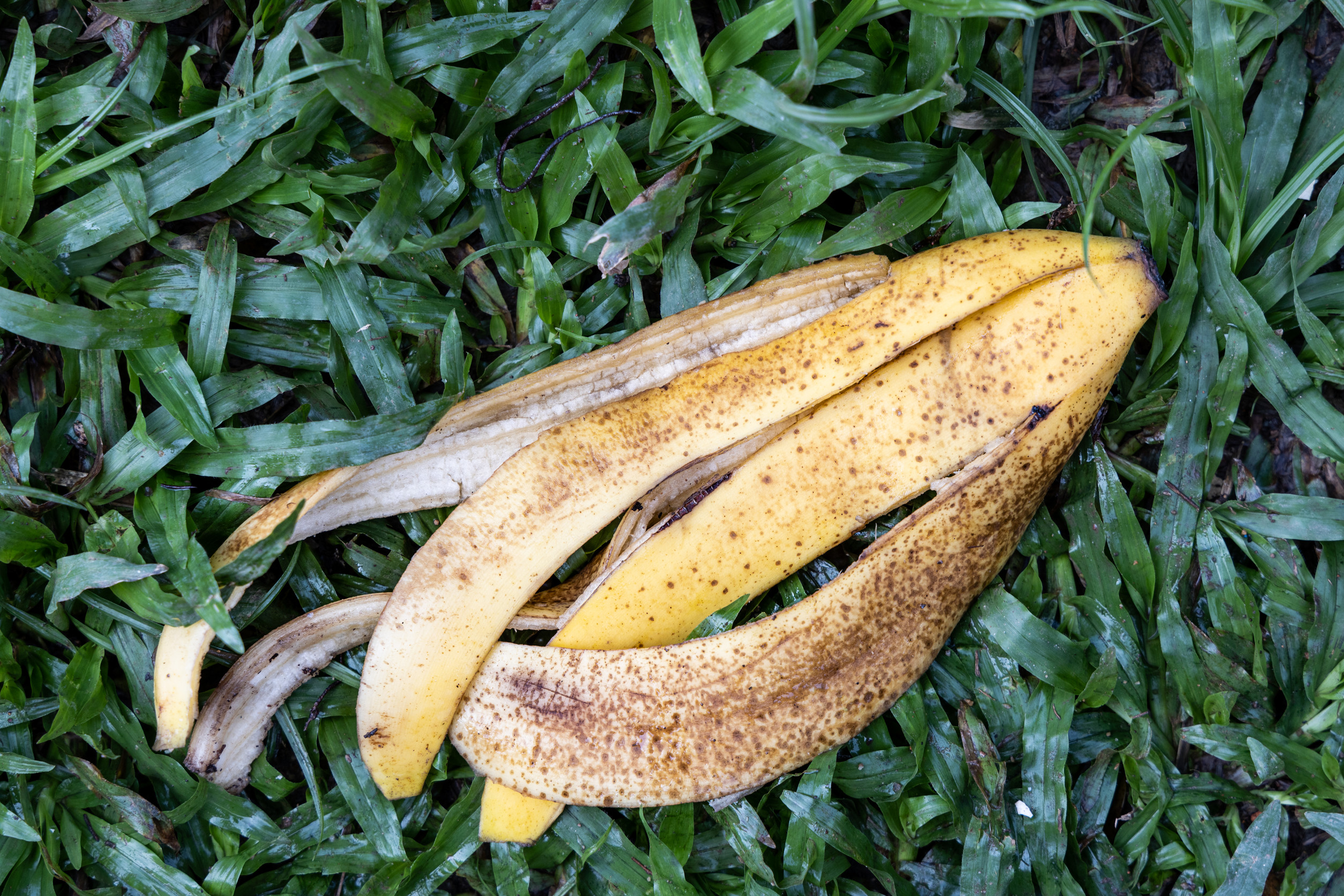
In kitchens around the world, banana peels are tossed away without a second thought. But what if those scraps could do more than rot in a landfill? According to new research, banana peels may be an overlooked powerhouse when it comes to growing healthier, taller crops, sometimes even outperforming synthetic fertilizers.
A comprehensive scientific review has pulled together results from over 120 studies to explore how banana peels can be transformed into biofertilizers. The findings are both promising and practical: fertilizers made from peels often boosted germination, leaf size, and plant height compared to untreated soil. In short, your next banana split might also be a step toward cleaner, greener farming.
Turning waste into growth
Led by Nokuthula Khanyile, a researcher at the University of Mpumalanga in South Africa, the study highlights the growing potential of agricultural waste as a nutrient-rich resource. Khanyile’s work focuses on repurposing organic waste, including banana skins, to support soil health while reducing reliance on environmentally harmful inputs.
Bananas are among the most widely consumed fruits on the planet. With global production hovering around 116 million tons annually, peels account for roughly one quarter of that total weight. Most of these nutrient-dense skins end up in landfills, where they contribute to greenhouse gas emissions instead of enriching farmland.
Banana peels are naturally packed with macronutrients like potassium, nitrogen, phosphorus, calcium, and magnesium, many of the same elements found in commercial fertilizers. The idea is simple: instead of mining or manufacturing these nutrients, why not reuse what we already have?
From peel to plant: how it works
Researchers classify banana-based soil amendments as biofertilizers, which are made from living or once-living organic matter. The methods for turning peels into fertilizers range from the straightforward to the slightly more scientific.
In some studies, peels were sun-dried, ground into coarse powder, and mixed into the soil before planting. Others created slurries by blending fresh peels, heating them with basic additives, and filtering out concentrated liquids that could be diluted and applied directly to soil.
One popular recipe, which appeared frequently in the reviewed studies, combined dried banana and orange peels. This blend was associated with increased leaf area and longer roots across several trials.
More advanced approaches involved fermenting banana peels with other plant waste like coffee grounds. These processes let microbes release nutrients slowly over time, creating rich liquid fertilizers that early tests suggest can accelerate the growth of leafy vegetables.
Peel power in practice
Specific crop trials gave researchers deeper insight into how banana-based fertilizers perform. In one pea plant experiment, banana peels decomposed in soil for different durations. The sweet spot is about two months. That was when plants showed the best growth and germination. When the peels were broken down in water instead, the optimal timeline stretched to six months, but beyond that, the benefits began to fade.
In another study on fenugreek, scientists compared powdered banana peel to its liquid extract. The liquid option won out, producing taller plants and more robust green growth.
Okra trials were also revealing. When researchers applied a blend of banana peel powders and other fruit scraps both before planting and later during growth, the plants produced richer foliage, heavier pods, and more vibrant color than those given standard chemical fertilizer alone.
Why this matters for modern farming
Today’s industrial agriculture relies heavily on synthetic NPK fertilizers, which are nitrogen, phosphorus, and potassium blends made in fossil fuel-based factories. While these products have boosted crop yields for decades, they come at a cost.
Excess nitrogen runoff from farms contributes to water pollution and algal blooms that damage aquatic ecosystems. According to one global study, nitrogen fertilizers alone are responsible for roughly two percent of all human-caused greenhouse gas emissions.
Biofertilizers made from banana peels offer a slower nutrient release, reducing the risk of runoff while recycling food waste into something useful. For home gardeners and small farmers, the message is clear: simple kitchen scraps can play a meaningful role in building healthier soil.
The limits and next steps
Despite the encouraging results, not every peel-based product is a winner. Trials using banana peel biochar, a charcoal-like substance made from heating organic waste, showed limited results for plant height and other growth metrics.
There’s also a gap in long-term research. Many of the reviewed studies focused only on early growth stages. What’s still missing are large-scale field trials that track crops all the way to harvest and assess final yields, nutritional quality, and storage life.
Peel chemistry also varies depending on banana variety, climate, and storage conditions. That means farmers will need more consistent recipes and guidance to integrate banana fertilizers into their routines effectively. Future research will need to measure not just nutrient content but also how different peel blends influence soil microbes and structure over time.
Still, the potential is hard to ignore. If even a small fraction of global banana waste were redirected from landfills to farmland, it could significantly reduce the need for synthetic fertilizers and cut down on the environmental damage they cause.
A future rooted in scraps
This growing body of research suggests that a solution to modern agriculture’s fertilizer problem may already be sitting on kitchen counters around the world. With a bit of creativity and science, banana peels could help turn waste into a regenerative tool that feeds the soil, supports crops, and moves us toward a more sustainable future.
Source study: Agriculture—Preparation of biofertilizers from banana peels: their impact on soil and crop enhancement