BY THE OPTIMIST DAILY EDITORIAL TEAM
Nearly 900 acres of ancestral territory have been officially returned to the Southern Sierra Miwuk Nation, marking a major milestone in Indigenous land restoration efforts in California. The property, which borders Yosemite National Park and the Sierra National Forest, includes Henness Ridge, a culturally vital landscape that once formed part of an ancestral trail into Yosemite Valley.
For the Miwuk people, this transfer represents far more than acreage; it is a reconnection to land they stewarded for generations before being forcibly removed in the 19th and 20th centuries.
“Having this significant piece of our ancestral Yosemite land back will bring our community together to celebrate tradition and provide a healing place for our children and grandchildren,” said Sandra Chapman, Tribal Council Chair and elder of the Southern Sierra Miwuk Nation. “It will be a sanctuary for our people.”
A strategic collaboration between state and tribal stewards
The land was transferred from Pacific Forest Trust, a conservation organization that has a track record of working in partnership with Indigenous nations. The project was made possible through funding from the California Natural Resources Agency’s Tribal Nature-Based Solutions Program, which supports Indigenous-led conservation and climate resilience.
This return builds on precedent: in the 1990s, the Pacific Forest Trust helped create the first-ever conservation easement with tribal entities in the U.S., partnering with the InterTribal Sinkyone Wilderness Council. The Miwuk land return reflects a continuation of that effort to align environmental conservation with Indigenous land rights.
The significance of Henness Ridge
The reclaimed land is more than symbolic. Henness Ridge is ecologically rich and culturally foundational. Historically, it served as a corridor for deer and other migratory species and formed part of a traditional trail from the Central Valley to Yosemite Valley.
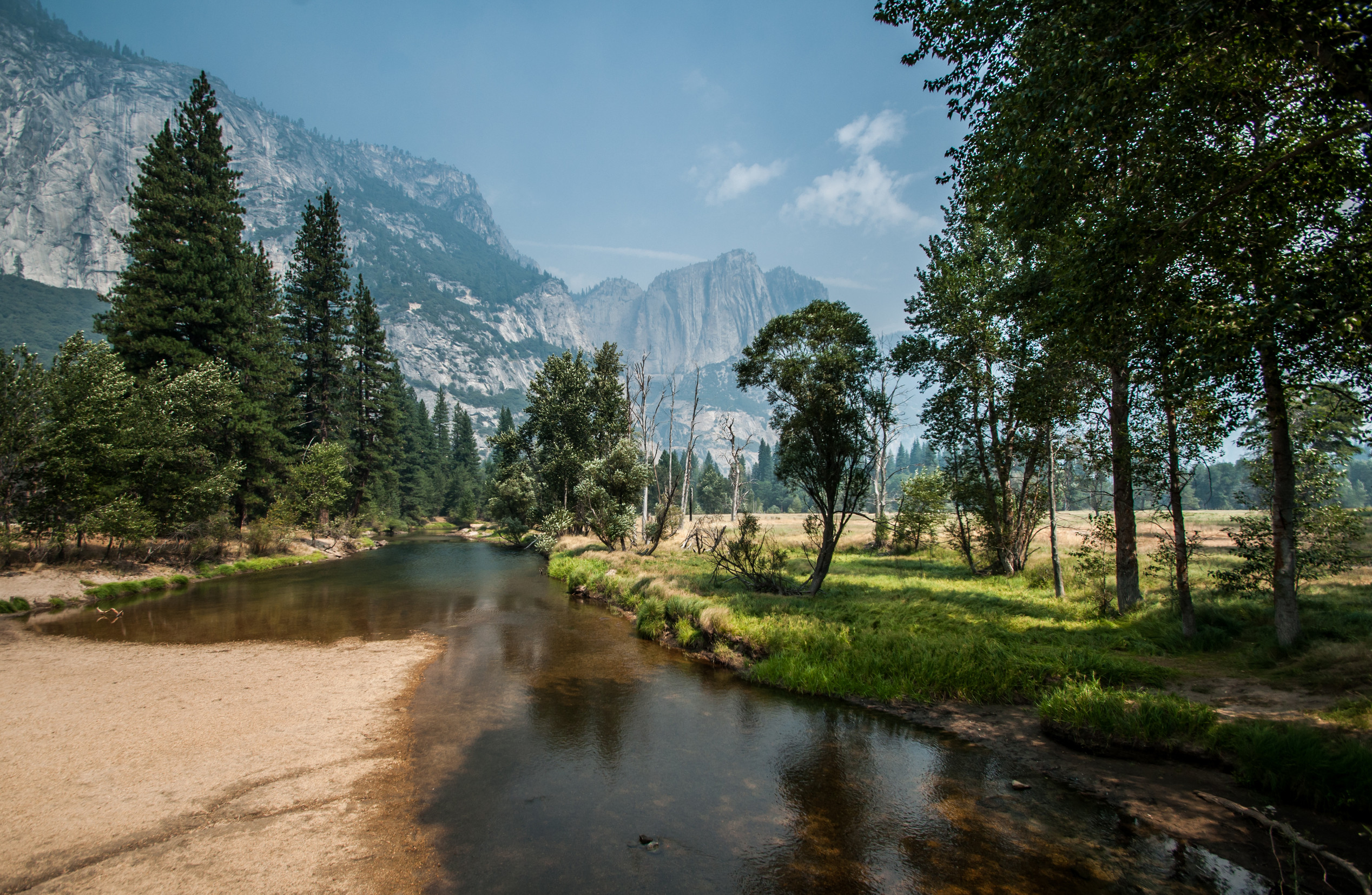
Located just west of Chinquapin/Badger Pass and State Highway 41, the property offers sweeping views of both branches of the Wild and Scenic Merced River, the Central Valley, and Yosemite Valley. It is an ideal location for cultural gatherings, environmental education, and traditional ecological practices that were once banned or forgotten under federal oversight.
Tribal Secretary Tara Fouch-Moore emphasized the practical and cultural importance of this return: “We will be able to harvest and cultivate our traditional foods, fibers, and medicines and steward the land using traditional ecological knowledge, strengthening our relationships with plants and wildlife, and benefiting everyone by restoring a more resilient and abundant landscape.”
Reviving stewardship and sovereignty
The Southern Sierra Miwuk Nation plans to use the land to support food sovereignty, ceremonial practice, and land-based education. The community will take an active role in protecting local ecosystems, particularly the tributaries that feed the South Fork of the Merced River, a water source protected under the Wild and Scenic Rivers Act.
The land’s return also has symbolic weight. The last of the Miwuk people living in Yosemite Valley were evicted by the National Park Service in 1969. Now, more than five decades later, the community reclaims the ability to once again live, gather, and care for the land on its own terms.
A model for future land returns
This transfer adds momentum to the growing movement of Indigenous land back initiatives across the United States. It also highlights how collaborative conservation models can combine ecological protection with long-overdue justice for Native communities.
As public interest in land returns continues to grow, examples like this one demonstrate the benefits of centering tribal leadership in environmental stewardship and how doing so contributes to climate resilience, cultural preservation, and biodiversity.
For the Southern Sierra Miwuk Nation, the restoration of Henness Ridge is just the beginning. It offers a space where community healing, ecological restoration, and Indigenous knowledge can take root once again.