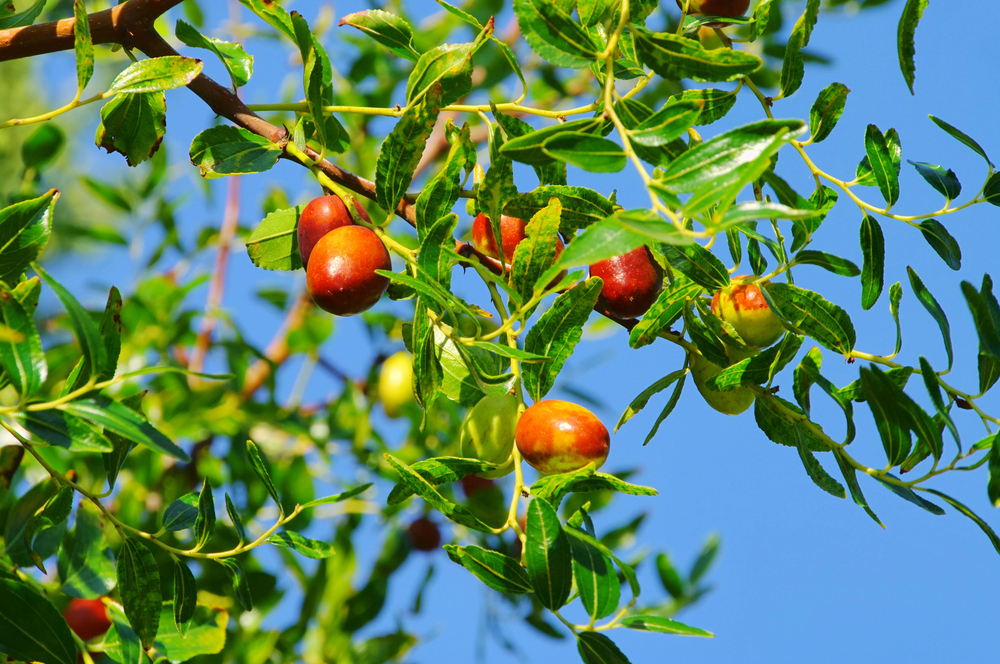
Discovering the next crop for producing biofuel is difficult. The crop shouldn’t be a foodstuff, and would ideally be able to grow quickly in less nutrient rich soil, and have a natural resistance to diseases and pests—essentially the same characteristics as an invasive species. Because of the desire to produce energy from biofuels, but the understandable hesitance to plant invasive species, Lauren Quinn, invasive plant ecologist from the University of Illinois, has come up with a lost of 49 native and non native plants that have a low likelihood of becoming invasive (24 of the plants on the list are native). Switchgrass, poplar, and eucalyptus were some of the plants mentioned on Quinn’s list.

Noninvasive plants makes biofuels safer for the environment
More of Today's Solutions
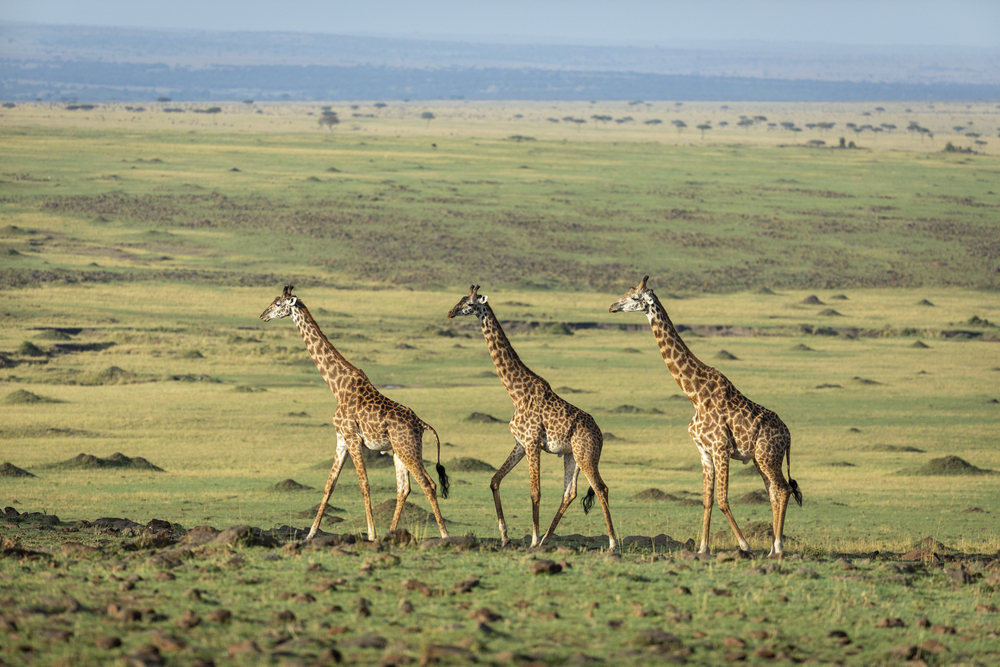
Kenya unlocks $160 million to protect the Maasai Mara and Tsavo ecosystems
BY THE OPTIMIST DAILY EDITORIAL TEAM Kenya committed $160 million over ten years to protect 173,000 square kilometers (roughly 67,000 square miles, or 17.3 ...
Read MoreWill vinegar actually keep bugs out this fall? Pest experts explain what works
BY THE OPTIMIST DAILY EDITORIAL TEAM As temperatures drop, bugs start looking for the same thing you do: somewhere warmer. If you've been reaching ...
Read MoreStronger concrete, cleaner landfills—how scrap carpet fibers are reinventing ...
BY THE OPTIMIST DAILY EDITORIAL TEAM Concrete is the foundation of modern civilization, but its notorious tendency to crack isn’t just a construction headache—it’s ...
Read MoreHow sheep are powering the solar boom in a win for sustainability and agricul...
BY THE OPTIMIST DAILY EDITORIAL TEAM On a sprawling solar farm in rural Texas, thousands of sheep are hard at work. Beneath rows of ...
Read More