When dozens of polar bears descend upon the northern Russian archipelago of Novaya Zemlya, no one was sure what to do. The bears entered homes and public buildings, and people were afraid to go outside. But polar bears are an endangered species, and the federal government has refused to issue licenses to shoot them (thankfully). Effective, non-lethal methods for preventing human-bear conflict are limited, but one biologist in Montana seems to have found the answer. The biologist has trained a special breed of dogs to be “bear shepherds” that bark and scare away bears when they get too close to human settlements and to condition them to steer clear. Since then, law enforcement and wildlife agencies in the United States and Canada increasingly have begun turning to dogs as an alternative to keep bears away. Bear dogs now work with wildlife and land managers in the states of Washington and Nevada, as well as Alberta, Canada, and even in Japan. Sure, it may not be nice to scare bears, but it’s for their own good.
To prevent human-bear conflict, wildlife rangers are turning to dogs
More of Today's Solutions
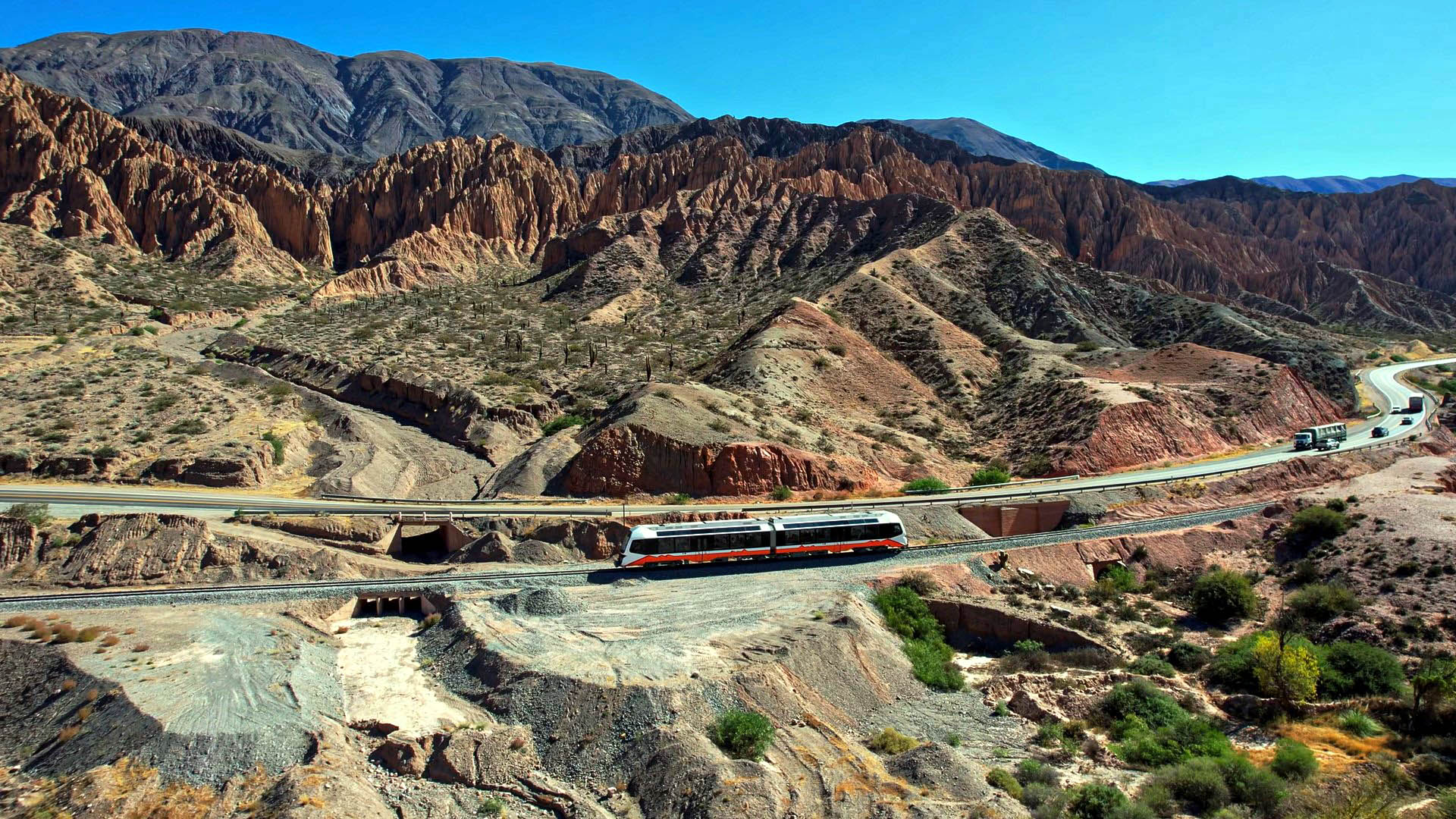
This bike for two lets you pedal through the forest on old train tracks
In an effort to breathe new life into some of America’s historic railway lines, Skunk Train is repurposing unused train tracks as adventurous tour ...
Read MoreClosing the longevity gap: what research reveals about why women live longer
BY THE OPTIMIST DAILY EDITORIAL TEAM Across the animal kingdom, females tend to live longer than males, and the same is true for humans. ...
Read MoreCanada sets new methane rules to curb oil and gas emissions by 75 percent by ...
BY THE OPTIMIST DAILY EDITORIAL TEAM In a long-anticipated move, Canada has introduced tougher methane regulations for its oil and gas sector, an industry ...
Read MoreWhy turning support into action matters on International Women’s Day
BY THE OPTIMIST DAILY EDITORIAL TEAM International Women’s Day arrives each year with a familiar mix of brightness and gravity. On March 8, communities ...
Read More