When American researcher Rodney Jackson of the Snow Leopard Conservancy donated 20 motion-activated camera traps to his Russian colleagues, the hope was that they would be able to snap some photos of endangered snow leopards and learn more about them. After two years, however, not a single leopard was photographed. That’s when the Russian ecologists realized that they would need people who are intimately familiar with the ways of the snow leopard: hunters. This led to the creation of a program that gives hunters the chance to make more money by agreeing to remove poaching traps and to refrain from setting more, all while setting up motion-activated cameras to capture new images of snow leopards. If at the end of the year a photo trap is able to capture an image of a snow leopard, the WWF pays the hunter 40,000 rubles ($620)—the value of one pelt. So far, the program has been a success, with the very first hunter now providing vital information on three snow leopards full-time on behalf of WWF with the help of the cameras.

A new WWF program is persuading poachers to save the snow leopard in Russia
More of Today's Solutions
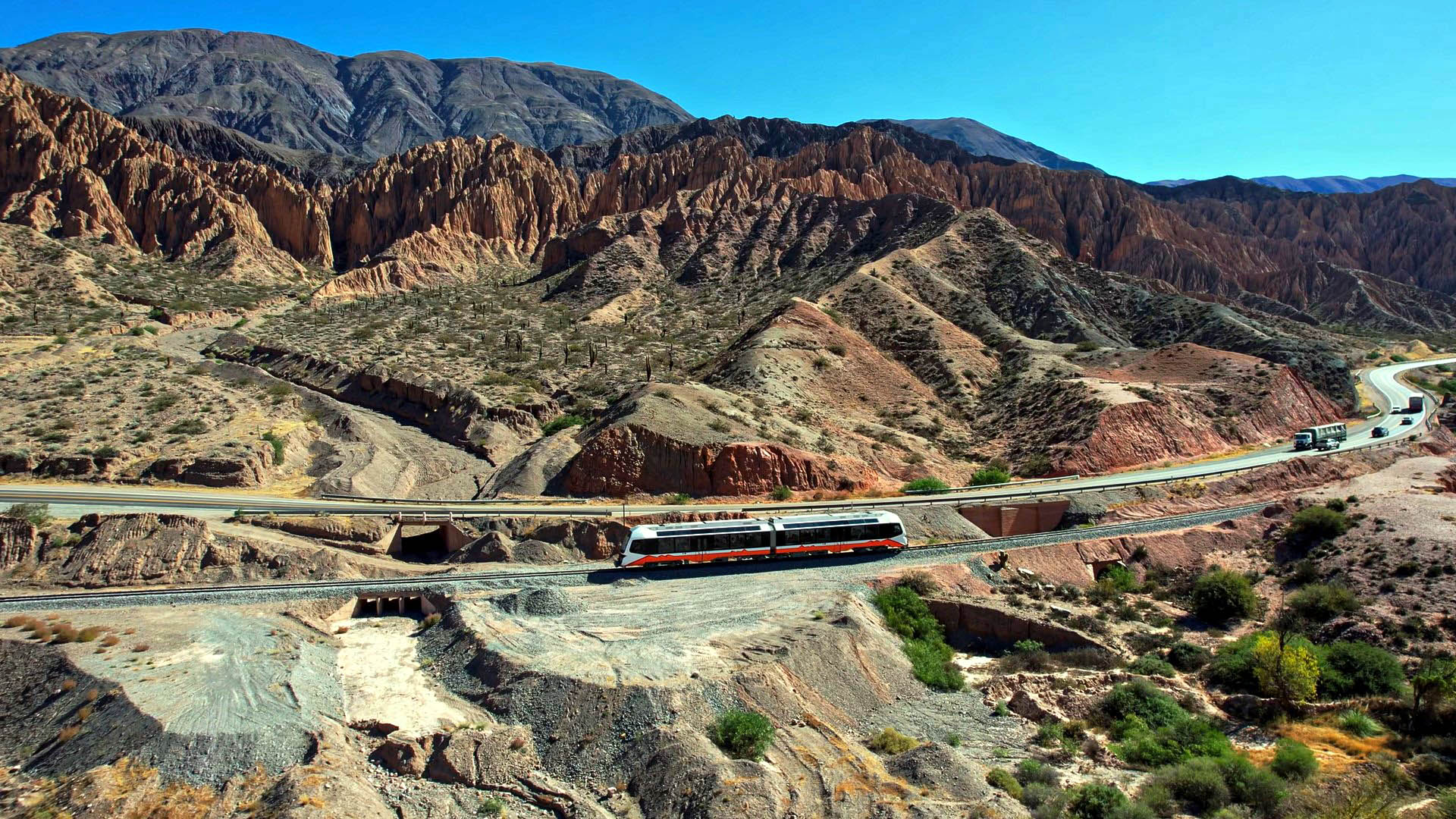
This bike for two lets you pedal through the forest on old train tracks
In an effort to breathe new life into some of America’s historic railway lines, Skunk Train is repurposing unused train tracks as adventurous tour ...
Read MoreClosing the longevity gap: what research reveals about why women live longer
BY THE OPTIMIST DAILY EDITORIAL TEAM Across the animal kingdom, females tend to live longer than males, and the same is true for humans. ...
Read MoreCanada sets new methane rules to curb oil and gas emissions by 75 percent by ...
BY THE OPTIMIST DAILY EDITORIAL TEAM In a long-anticipated move, Canada has introduced tougher methane regulations for its oil and gas sector, an industry ...
Read MoreWhy turning support into action matters on International Women’s Day
BY THE OPTIMIST DAILY EDITORIAL TEAM International Women’s Day arrives each year with a familiar mix of brightness and gravity. On March 8, communities ...
Read More