Today’s Solutions: October 24, 2026

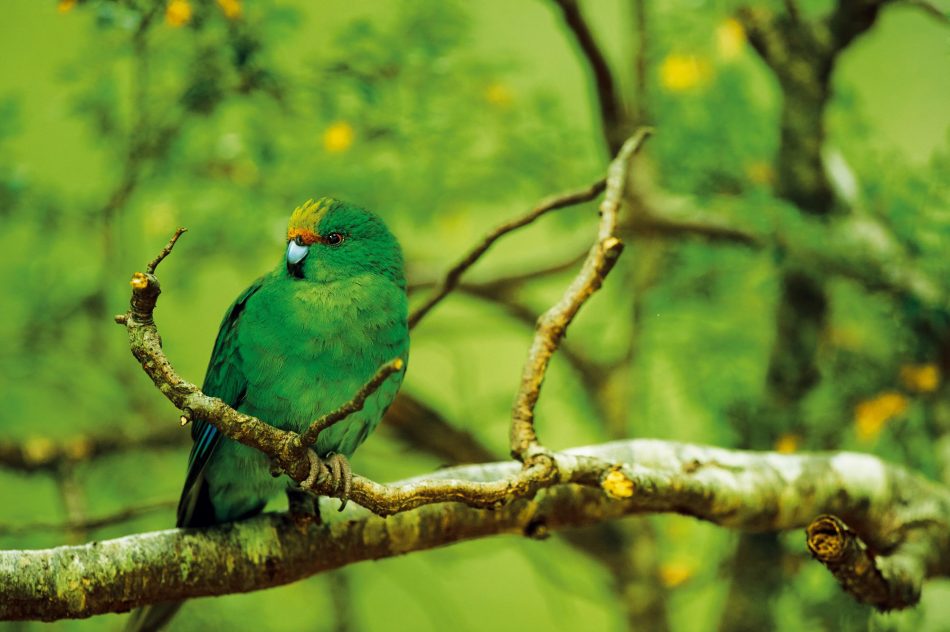
The kākāriki karaka, also known as the orange-fronted parakeet, is New Zealand’s rarest mainland forest bird. Around the world, it was estimated that the population of this critically endangered species ranged between 100-300. But this breeding season has apparently been the most the fruitful in decades for this long-tailed bird.

According to a new report, 150 chicks having been born, potentially doubling the bird’s population. Thus far, conservations have found 31 kākāriki karaka nests in the wild in Canterbury this season — which is more than three times the number found in recent years — and nesting season is expecting to continue for several months.

The New Zealand Department of Conservation cited the abundance of beech seed – one of the bird’s main dishes – as the reason behind their successful breeding spree.


Solutions News Source Print this article
More of Today's Solutions

Paving the path towards a global plastics treaty

Nation-state delegates took a historic step toward a new global plastics pact in an inspirational display of determination. This undertaking, described as the most ...

Read More

Ecuadorians take a stand and vote to save the heart of the Amazon from oil dr...

Ecuadorians made history by voting to prohibit the development of new oil wells in the Yasuní national park, in a resounding display of environmental consciousness ...

Read More

Unleashing the power of joy lists

In their quest to break away from life's monotony, many people have discovered the transforming concept of a pleasure list. The joy list is ...

Read More

The science behind laughter in babies and children

Children's laughter is frequently interpreted as a simple display of joy, but scientific research reveals a deeper meaning lies beyond the surface. Contrary to ...

Read More