


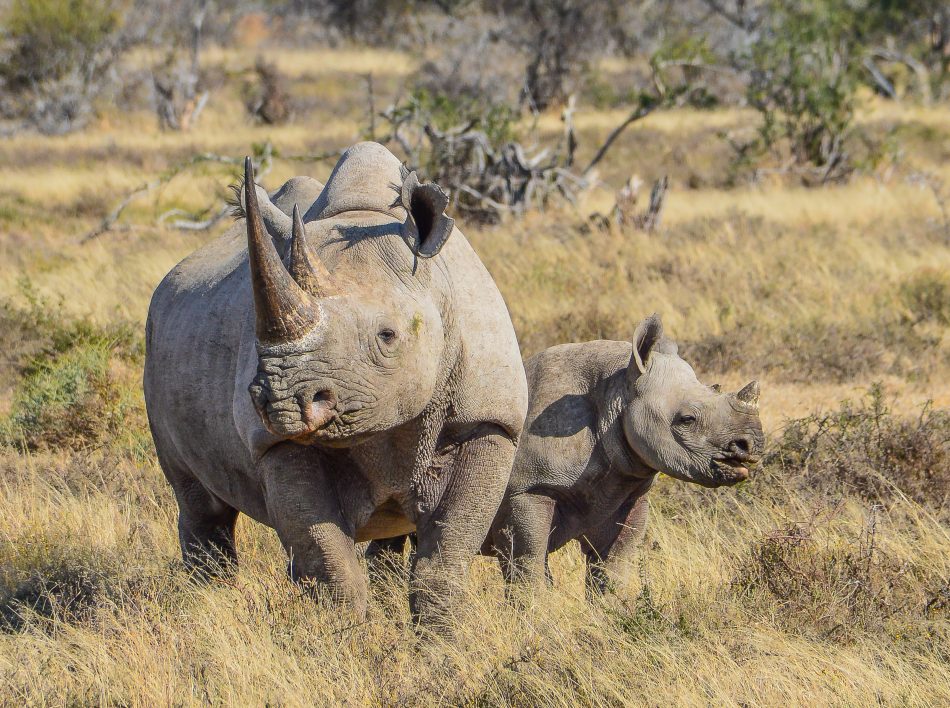
Wildlife conservationists often struggle with gathering vital information about species without disrupting their lives and habitats. While studying black rhino populations in Africa, conservationists Zoe Jewell and Sky Alibhai grappled with how to study the animals without tranquilizing and placing collars on them, which disrupted their mating habits. This dilemma leads to the development of WildTrack.
Based on indigenous tracking methods, WildTrack relies on footprints to provide a wide array of data about species, such as migration patterns, herd size, and health, without actually interacting with the animals. Now, with the help of AI and funding from the U.S. Army, WildTrack is advancing even further.
In collaboration with the European company, senseFly, WildTrack is using drones to scan vast areas for footprint data to produce more expansive and efficient information about the world’s most elusive animals. With the help of modern technology, we have the potential to revolutionize non-invasive conservation methods and gain insight into the secret lives of Earth’s most delicate populations.






