Sodium chloride (aka salt) is an important ingredient for helping get around in the winter. Spread on roads, it lowers the freezing point of ice, making it melt faster and making roads safer.
The problem with using salt on roads
But all that salt can also be harmful—not only is it corrosive to pavement, concrete, and steel, it can wash into lakes and streams or seep into our groundwater, contaminating water supplies and threatening aquatic life.
Still, road salt use has been increasing—in the United States alone, it’s estimated that we currently use between 20 and 27 million tons of salt on our roadways each year. But a little reuse of agricultural waste could help mitigate the problem.
A sustainable alternative
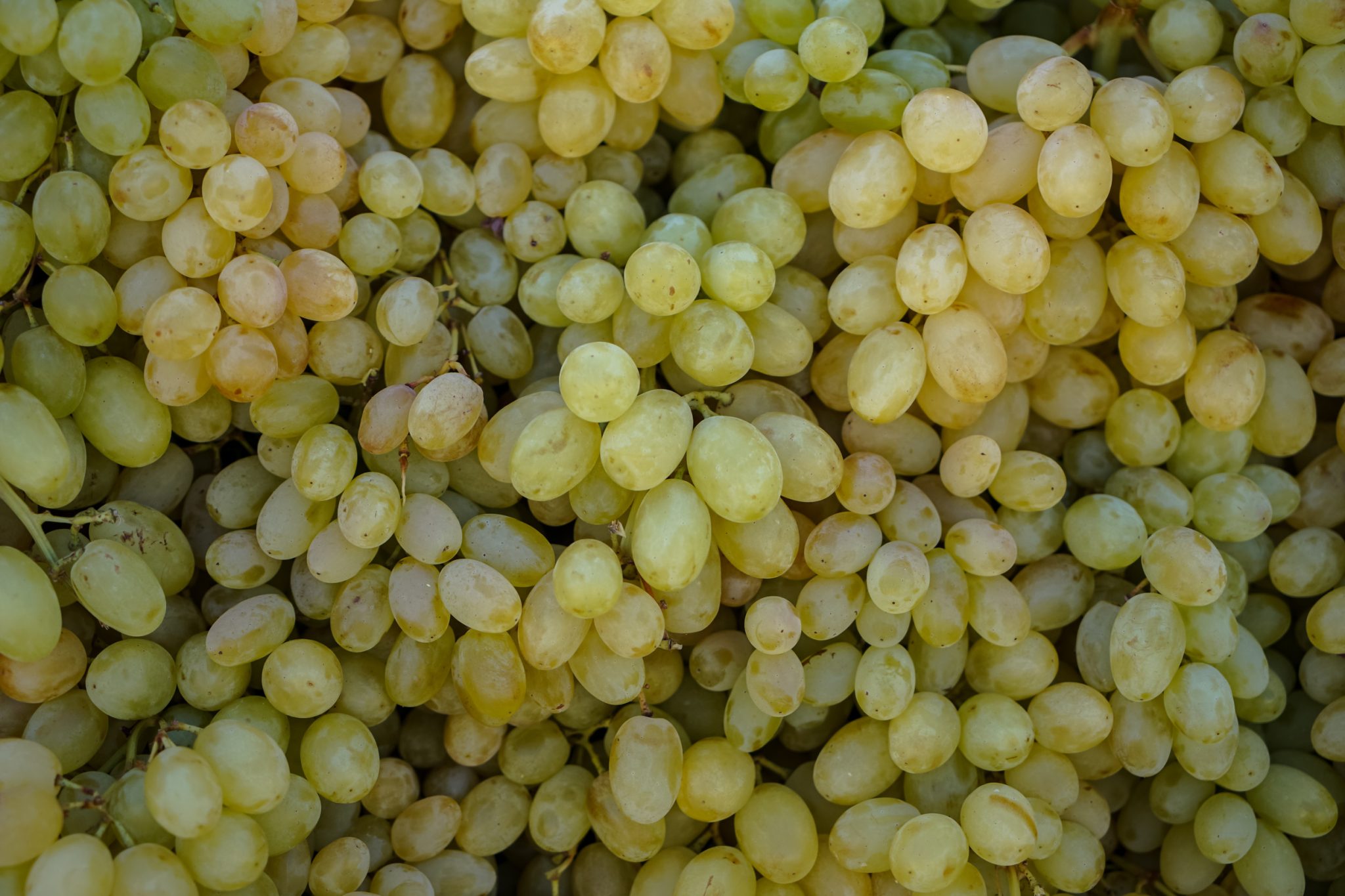
Researchers at Washington State University have developed a way to turn grape skins and other waste like sugar beet leaves or apple pomace (that’s what remains after pressing apples for cider or juice) into a solution that makes road salt more effective, so each road needs less. That means less road salt entering our waterways and degrading our asphalt, bridges, and cars.
The researchers’ method for turning agricultural waste into a de-icing solution has been particularly effective in Alaska, where temperatures get too low for road salt to work. Using peony leaves, which is a big product in the state, the researchers created a nontoxic solution of chemicals that can be added to regular road brine.
The result is a solution that is more effective as a deicer than traditional road salt while using less sodium chloride overall. So not only are you repurposing agricultural waste, but you’re also creating less waste in the production of road salt and saving roads from damage. Bravo!