


Just over a year ago, we wrote about Vollebak, a Dutch clothing startup making T-shirts that you can bury in your backyard once you’re through with them. That’s because the shirts are made entirely out of wood pulp and algae, which breaks down in soil and becomes “worm food” within months.
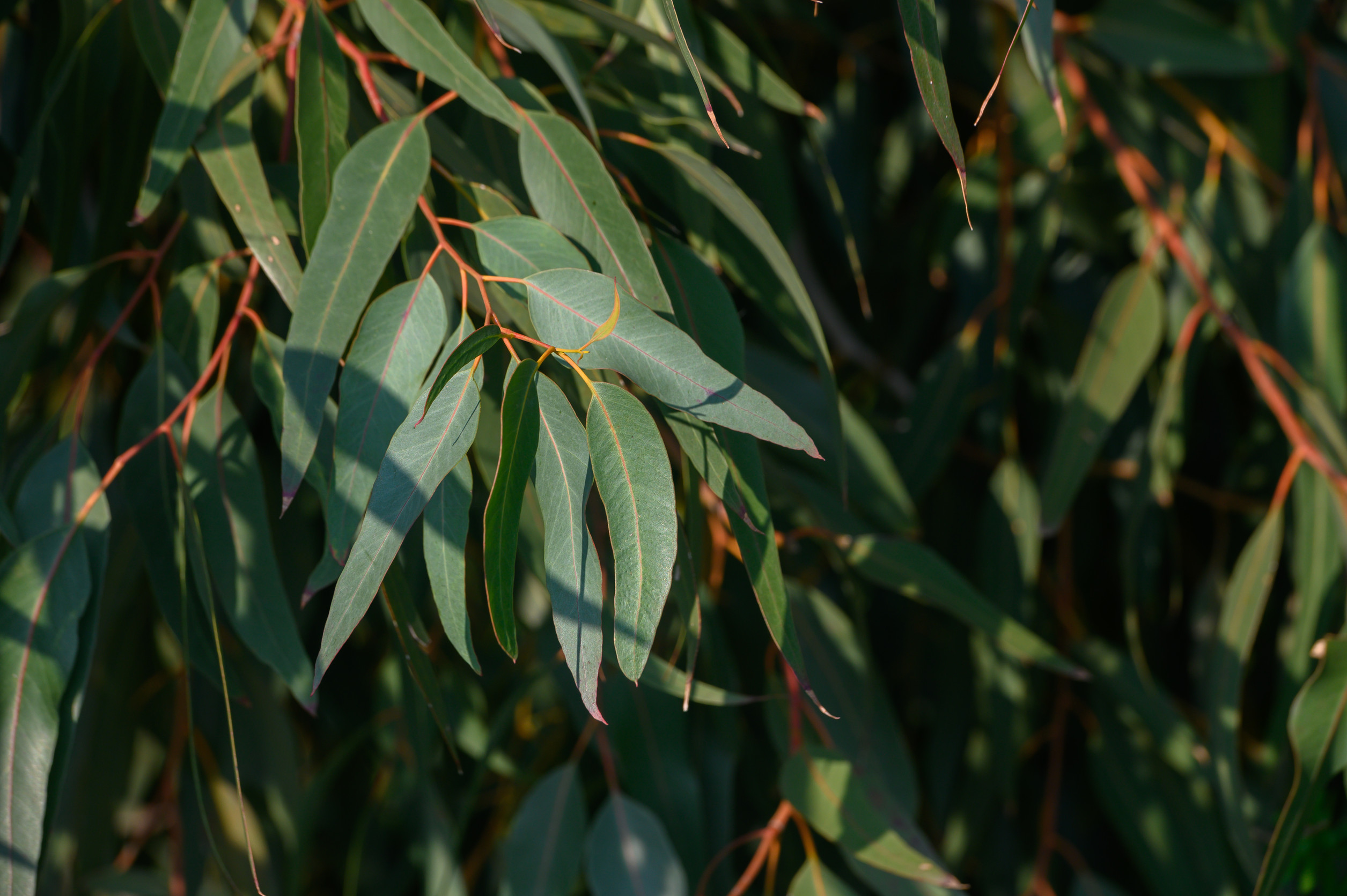
Moving beyond T-shirts, Vollebak has created a hoodie made from eucalyptus trees dyed with pomegranate. Just like the T-shirt, the hoodie will biodegrade within eight weeks if you toss it in a compost heap.
For Vollebak, the inspiration to create this hoodie came from one of the earliest known humans, Otzi man, who was found preserved in ice for over 5,000 years. His clothes were made from plants, tree bark, grass, and animal skins, which made Vollebak co-founder Steve Tidball beg the question: “What’s the modern version of that?”
According to Tidball, making biodegradable clothing was not a challenge – what was difficult was creating something that would easily compost and could be manufactured in a sustainable way.
“Making something that biodegrades isn’t the hard bit,” he explained. “On a long enough timescale, everything on Earth will biodegrade. What’s hard is making something that biodegrades very quickly, leaves no trace of its existence, and uses as little energy to create in the first place as possible.”
The startup made the hoodie from eucalyptus and beech using a closed-loop production process, where over 99 percent of the water and solvent used to turn the pulp into fiber was recycled and reused. Then, it was dyed using the peel of a pomegranate fruit, which is normally thrown away, and stitched with recycled cotton thread. The end result is a plant-based hoodie with a mossy hue that is both stylish and sustainable.






