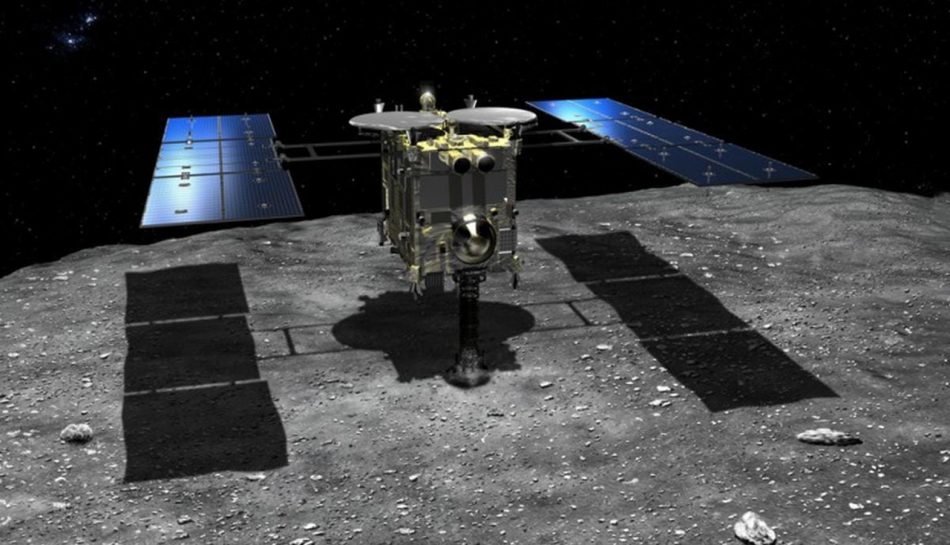
In 2010, a spacecraft from the Japan Aerospace Exploration Agency (JAXA) successfully managed to bring samples of an asteroid back to Earth, marking the first time this has ever happened in history. This month, JAXA did it all over again, returning precious samples from the asteroid Ryugu.
After traveling more than 190 million miles from the asteroid, the Hayabusa2 returned to Earth, dropping a storage device containing the samples in the Australian desert. Two days later, the storage device arrived in Japan where scientists were in for a pleasant surprise: not only did the device have samples of dust and pebbles, but it also managed to snag some gas from the asteroid—a world first.
The probe wound up collecting more material than JAXA had anticipated, which means their scientists can expand the scope of their work and possibly share bits of material with outside experts, including those at NASA.
So, why should we care about these asteroid samples? The scientists say they could provide important clues about the early solar system and how it formed. On top of that, the samples could reveal how asteroids contributed to early conditions on Earth, such as the delivery of water.
Although the Hayabusa2 mission is over, the real fun begins now for scientists as they perform chemical analysis on the samples to identify everything there is to know about them. As always, we’ll keep you updated as we learn more about these pristine samples from the asteroid Ryugu.
Image source: JAXA