Humanity is confronted with an unprecedented situation. The number of forcibly displaced people on Earth will have surpassed 100 million by 2022, a shocking milestone and a striking reminder of the world’s continuous challenges. While the world grapples with mounting humanitarian demands, the financing gap persists, threatening countless lives. Among these sobering figures, however, a ray of light shines through the unique work of Humanitaria, a Barcelona-based firm with a mission to change humanitarian relief. In this article, we’ll look at how Humanitaria’s groundbreaking cardboard beds are destined to revolutionize disaster relief efforts and usher in a new era of efficiency and cost in humanitarian aid.
A startup with a good cause
Humanitaria, founded by Juan Sanz and J. Alberto Paniagua, represents a multidisciplinary solution to a serious worldwide problem. The duo set out to reinvent the capacities of NGOs responding to humanitarian emergencies, drawing on almost two decades of experience in industrial design and strategic consulting.
Their journey began with a simple but profound realization: humanitarian equipment accounts for a sizable amount of worldwide humanitarian aid costs, accounting for more than 40 percent. Humanitaria aims to democratize humanitarian aid by focusing on improving the efficiency of this equipment, making it available to both large and small organizations.
The low-cost humanitarian bed
Humanitaria, with a committed staff, unveiled its flagship product—the low-cost humanitarian bed—in just two years. This simple idea has the potential to be a game-changer. It tackles a fundamental issue: the high expense and impracticality of typical camping mattresses utilized by non-governmental organizations around the world.
These standard beds, which cost between €100 and €200 each, take five to twenty minutes to install and are not ideal for large-scale shipping. Humanitaria’s cardboard bed, on the other hand, can withstand up to 350 kg of weight, considerably outperforming typical camping beds. The CEO of Humanitaria, Juan Sanz, emphasizes the considerable cost savings: “With Humanitaria, 1,000 beds cost €16,000, can be shipped folded by plane, and can be set up in 20 minutes.”
Cardboard: A surprising solution
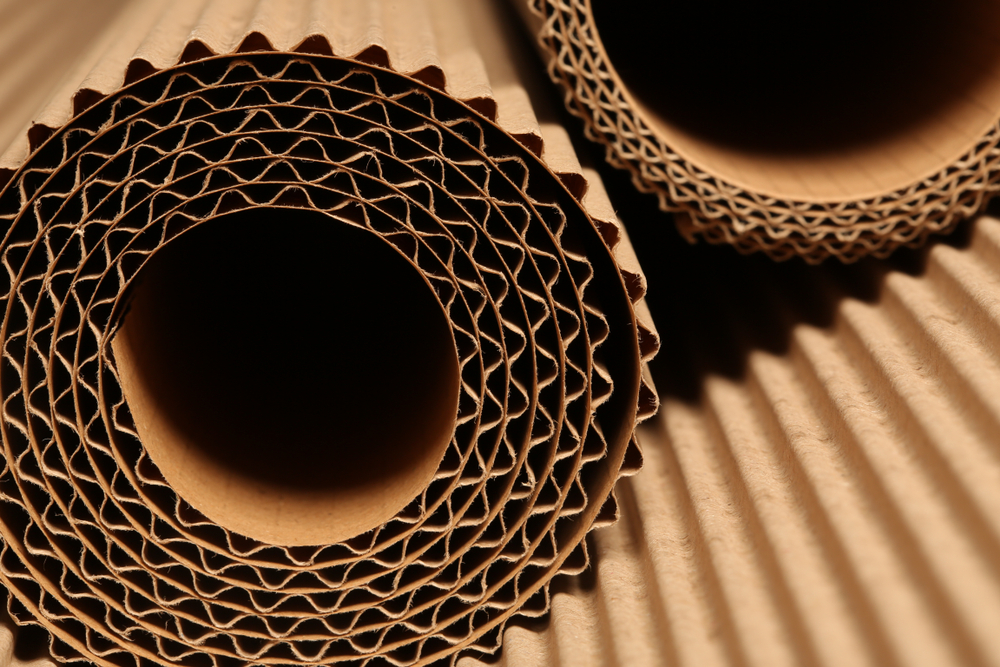
Cardboard, which is frequently overlooked, emerges as the hero material in this humanitarian idea. Because of its low cost and endurance, it is an excellent alternative for rapid deployment in disaster-stricken areas. Because of packaging industry automation, Humanitaria’s cardboard bed can be produced at an astounding pace of 1,000 pieces per hour. This exceptional speed ensures that humanitarian disasters are addressed in a timely manner, with no stock shortages or long lead times.
Furthermore, the bed’s assembling process is a work of art in terms of efficiency. It unfolds in under five seconds from an extra-flat sheet to a fully working bed, a procedure that can be completed by a single person without the use of tools or training. Humanitaria’s Head of Manufacturing, Hector Munoz, underlines the company’s record-breaking assembly speed: “A single person can set up 700 beds in one hour.” Simply open the bed as if it were a cardboard box. In a nutshell, that’s what it is.”
Fortification, durability, and accessibility
Despite initial concern about cardboard’s durability, Humanitaria’s bed is designed to fulfill the needs of humanitarian catastrophes. It can endure heavy loads and provides warmth and shelter in times of vulnerability. Juan Sanz reiterates their dedication: “It is a quick, versatile, and cost-effective solution.” It can give comfort and shelter in times of high vulnerability by doubling the permitted strength of a humanitarian bed.”
A road to global impact
Humanitaria’s aim extends beyond the creation of novel beds. They aspire to make humanitarian aid accessible to a wide range of groups by lowering costs and enhancing equipment efficiency, thereby assisting more people in need. As Sanz puts it, “we are just one part of a whole.”
The humanitarian bed has the potential to become a critical resource for urgent catastrophe response, delivering safety, comfort, and quality at a low cost. The potential for this breakthrough to save countless lives is clear as the first few hundred units prepare for testing during upcoming rescue operations.
The dedication of Humanitaria to reinventing humanitarian equipment demonstrates the power of multidisciplinary thinking and creative problem-solving. It is a ray of light in a world besieged by enormous obstacles, pointing to a brighter, more efficient future for disaster relief efforts.
Humanitarian Technology Awards recognize social innovation
Humanitaria’s innovative work is in keeping with the spirit of the Humanitarian Technology Awards, a global endeavor to recognize and promote humanitarian innovation. These prizes have long-recognized projects like Humanitaria’s that ingeniously reuse existing technology to address critical societal concerns.
In a world beset by complicated difficulties, these solutions serve as a reminder that there is always a better way. They provide inspiration for change and pave the way for a more efficient and humane future. Humanitaria’s cardboard beds are proof of what is possible when imagination, invention, and dedication are combined to address humanity’s most pressing challenges.
We are highlighting this piece as part of our annual “Best Of” roundup of articles published at The Optimist Daily this year. Today’s focus is on the top Business solutions of 2023.