


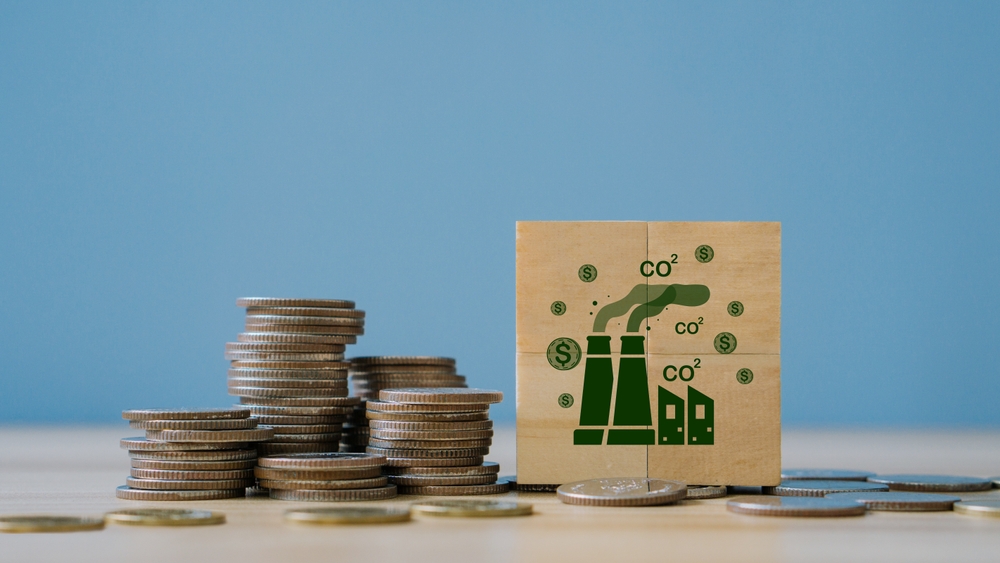
A fresh report argues that imposing a tax on fossil fuel firms operating in the wealthiest countries may dramatically boost climate finance, delivering much-needed assistance to countries dealing with the effects of the climate catastrophe. The plan, presented in the Climate Damages Tax study, seeks to raise funds to assist the most vulnerable countries in dealing with climate-related issues. With increasing pressure to address climate change, this taxing policy presents a possible path for raising critical resources.
The climate damages tax
The Climate Damages Tax report underlines the possibility of charging fossil fuel companies in the wealthiest OECD countries to pay climate-related damages. According to the research, such a tax might generate significant money, with an estimated $720 billion collected by the end of the decade. David Hillman, director of the Stamp Out Poverty campaign and co-author of the report, emphasizes the importance of leveraging fossil fuel industries to finance climate initiatives, saying, “This is surely the fairest way to boost revenues for the loss and damage fund to ensure that it is sufficiently financed as to be fit for purpose.”
A fair and feasible solution
The proposed tax might be implemented within existing tax structures, providing a practical solution for raising climate financing. Starting at $5 per tonne of CO2 equivalent in 2024 and gradually increasing annually, the tax is expected to raise $900 billion by 2030. Of this amount, $720 billion would go to the loss and damage fund, while $180 billion would be used as a domestic dividend to support climate transition initiatives in wealthier countries. The simplicity and efficacy of this taxing mechanism make it an appealing solution for closing climate funding gaps.
Global support for climate finance
The Climate Damages Tax report has received significant support from climate organizations worldwide, emphasizing the importance of raising resources to tackle the climate problem. Areeba Hamid, joint director of Greenpeace UK, underlines the importance of decisive action, saying, “We need concerted global leadership to force the fossil fuel industry to stop drilling and start paying for the damage they are causing around the world.” Governments can demonstrate their commitment to climate justice and sustainable development by supporting proposals such as the carbon tax.
As the globe deals with the growing effects of climate change, novel finance mechanisms like the climate damages tax provide a ray of hope. With collaborative action and political determination, we can mobilize the financial resources required to protect vulnerable communities and hasten the transition to a more sustainable, resilient future.






