BY THE OPTIMIST DAILY EDITORIAL TEAM
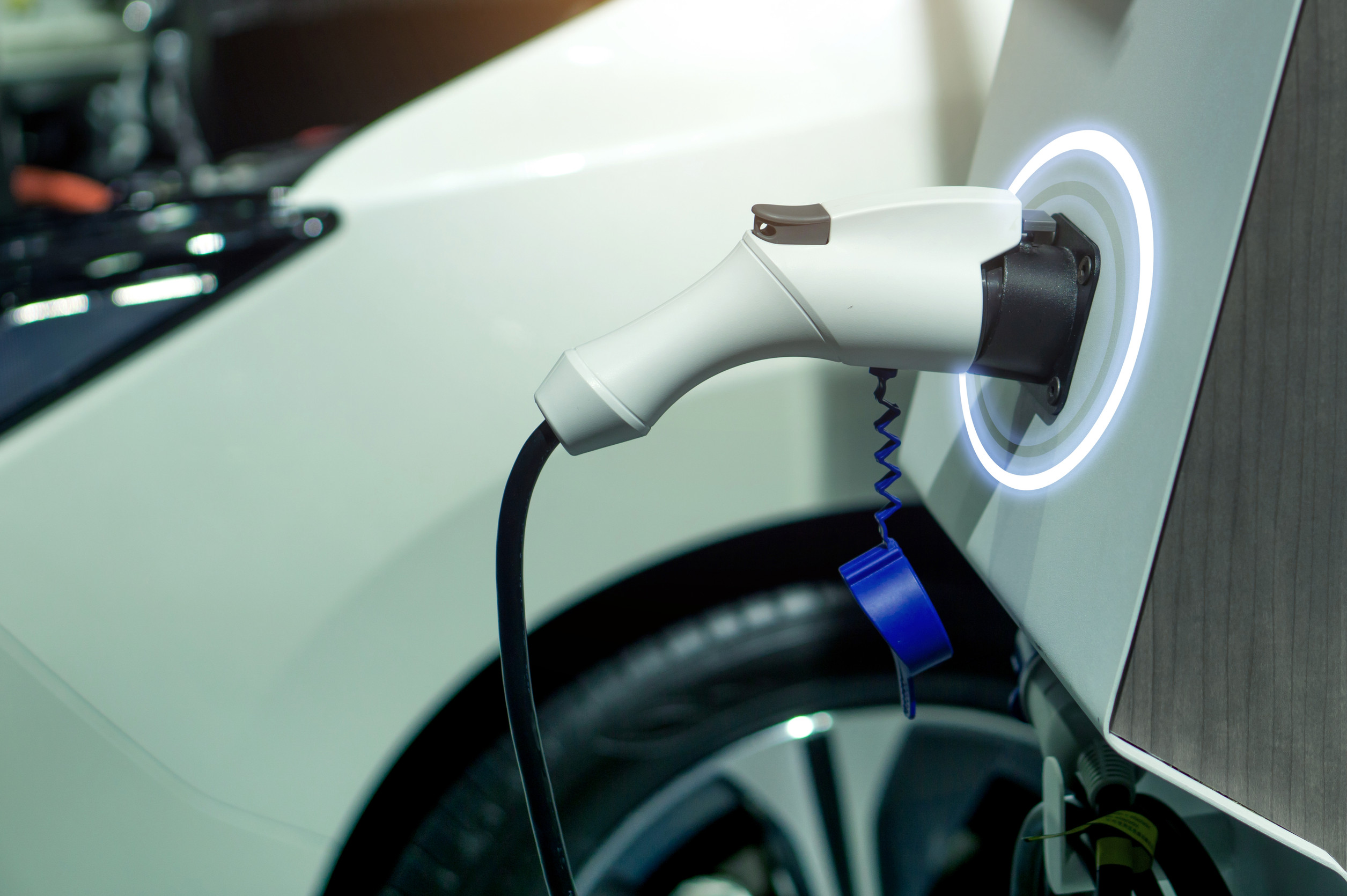
California achieved a significant milestone in its transition to electric vehicles (EVs). As of 2024, the Golden State already had 178,500 electric vehicle charging ports—outnumbering the state’s estimated 120,000 gas nozzles. This shift marks a critical moment in the growing adoption of zero-emission vehicles, a trend that has accelerated dramatically over the past few years.
The California Energy Commission (CEC) recently revealed the milestone, pointing to a steady expansion of EV infrastructure across the state. In just two years, the number of publicly accessible charging ports has nearly doubled, from 94,000 in 2022 to more than 178,000 in 2024. Over the course of a few months, California added 26,000 new public EV chargers, making the state a clear leader in supporting sustainable transportation.
Growth in EV infrastructure supports California’s green future
The CEC’s data highlights a significant increase in the availability of Level 2 chargers, which offer between 14 and 35 miles of range per hour of charging. As of 2024, there are approximately 162,000 Level 2 chargers statewide, with nearly 17,000 fast chargers available to quickly power up vehicles. Notably, many hybrid vehicles cannot use fast chargers, a factor that influences the demand for Level 2 chargers.
Home installations of EV chargers have also seen a rise, with over 700,000 Level 2 chargers now present in single-family homes. This private sector investment complements the broader push from both the state and federal governments to expand public charging networks.
CEC Chairman David Hochschild commented on the progress, stating, “The California EV driver experience is getting better by the day. The state will continue to heavily invest in EV infrastructure, with particular emphasis in hard-to-reach areas, making these vehicles an easy choice for new car buyers.” These ongoing investments are part of California’s larger goal to ban the sale of new gasoline-powered vehicles by 2035, further cementing the state’s leadership in the EV movement.
Federal resistance to the EV shift complicates national progress
While California’s efforts have been widely praised, the push for widespread adoption of EVs faces challenges at the federal level. The current administration has been vocal in its opposition to policies promoting the transition away from gasoline-powered cars, including the goal set by the Biden administration for electric vehicles to comprise 50 percent of new car sales in the U.S. by 2030.
In addition to halting 15 million dollars in grants for Oregon’s EV network expansion, federal opposition has affected plans in Florida and other states. However, California remains committed to expanding EV infrastructure and accelerating the national shift toward electric vehicles.
In August 2024, the U.S. Department of Transportation awarded 521 million dollars to 29 states, eight federally recognized tribes, and the District of Columbia to build more than 77,000 charging stations nationwide.
California, a key player in this effort, received nearly $150 million from the federal government to support the installation of over 9,200 new charging ports, with $15 million designated for underserved communities in Los Angeles County. These investments aim to ensure that EVs become more accessible to a broader segment of the population, including those in lower-income areas.
EV expansion: The numbers and what they mean for the future
The national expansion of the EV network has already made notable strides, with more than 77,300 charging stations and roughly 216,400 public ports across the country. However, the federal government’s recent pushback has created roadblocks that threaten to slow the momentum.
Nevertheless, the data continues to show that he EV market is growing rapidly, especially in California, where the infrastructure to support these vehicles is not only expanding but is also outpacing traditional gas stations. This milestone serves as a powerful reminder of the potential for a greener future, even as policymakers and industries face resistance.
Despite federal challenges, California’s progress serves as an example, proving that EV infrastructure is both feasible and essential for transitioning to a cleaner, more sustainable world.