BY THE OPTIMIST DAILY EDITORIAL TEAM
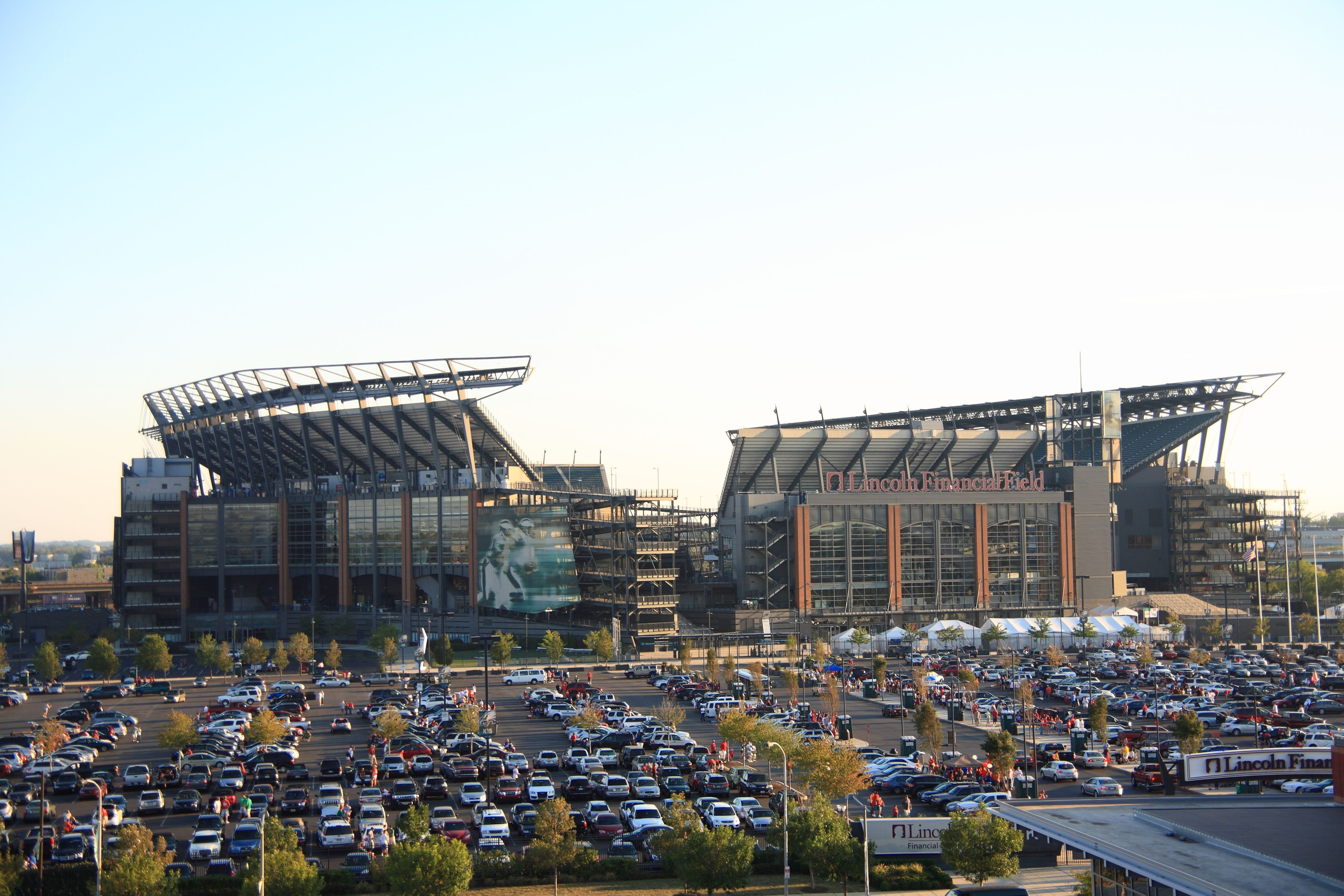
It’s not every day you see a wall of solar panels towering over a sea of green jerseys, but that’s exactly what greeted fans at Lincoln Financial Field in Philadelphia during a recent Eagles home game. Inside the stadium, visitors took selfies with a giant Lombardi Trophy made from recycled plastic while sipping drinks from sleek aluminum cups that kept beverages cold and recyclable.
“These are real nice cups,” said Tre Simon, an Eagles fan who appreciated the simple, sustainable touch. “Keep this going … I think it’s perfect.”
That cup is part of a grander picture. In 2024 alone, the stadium recycled 18 tons of aluminum, and money from those recyclables goes straight back into the stadium’s green programs.
Across the league, NFL stadiums in places like Atlanta and Santa Clara are rolling out solar panels, waste-diversion systems, and composting programs to reduce their carbon footprints. These aren’t just symbolic gestures; experts say they make a real difference and can even influence fans to adopt eco-friendly habits at home.
“You always want to root for a team that’s doing good by the environment and the community,” said Eagles fan Brendan Gee.
Solar energy, reusable cups, and community influence
Lincoln Financial Field is seen as a leader in sustainability among sports venues. According to Norman Vossschulte, the Eagles’ vice president of fan experience and sustainability, their solar panels now supply about 40 percent of the stadium’s total energy needs. The rest is offset by renewable energy credits.
“Our hope is that our efforts will inspire our fans to do the same and take some of their own actions,” Vossschulte said. “If we all did something, I think it’d make a big difference.”
While massive jumbotrons and air conditioning can eat up electricity, sustainability experts emphasize that every bit counts. “I don’t think you necessarily have to be net zero to be making an impact,” said Tony Lamanna, a construction management professor at Arizona State University.
Lamanna added that stadiums also influence fans’ behavior: “If you can model the right actions to the 80,000 fans or however many you have in your stadium, think of the impact.”
Mercedes-Benz Stadium is composting and growing food
Atlanta’s Mercedes-Benz Stadium, home of the Falcons, leads in waste diversion. It was the first pro sports venue worldwide to earn a Total Resource Use and Efficiency (TRUE) Platinum certification for diverting more than 90 percent of its waste from landfills.
“I’d say 98 percent of what you get out of a concession or point of sale is compostable,” said Adam Fullerton, the stadium’s vice president of operations.
They also grow produce in a stadium garden, collect rainwater in a 680,000-gallon cistern for irrigation, and generate power with 4,000 solar panels. Fans even get rewarded for participating: those spotted recycling might be featured on the jumbotron or win signed merch.
“Start small and at least start doing something,” said Fullerton. He estimates the zero waste program costs just 10 cents per fan. Such a price is little to pay for the impact it delivers.
Still, tailgate areas remain a sustainability blind spot. “It’s really difficult to control what a fan brings with them,” Fullerton admitted. But he encourages fans to use reusable containers, sort their waste, take public transit, and tweak thermostats at home to save energy.
Why sustainable marketing works
Visible green initiatives inside stadiums aren’t just good PR, they shift culture. Karen Winterich, a professor of sustainability and marketing at Penn State, said sustainability efforts create a sense of shared identity that encourages fans to embrace those values themselves.
“One big thing we know about any sort of behavior change, and that includes sustainable behaviors, is that consumers are really motivated by identity, social norms and social pressures,” she said.
Even more effective, Winterich said, is that these programs usually avoid divisive political framing. Instead, they highlight practical benefits: cleaner environments, less waste, and smarter energy use.
The NFL’s greener future
NFL Green, the league’s own sustainability arm, is working to leave a lasting impact in host cities. Before the 2025 Super Bowl in Louisiana, the NFL helped fund a local coastal wetland restoration project. In 2026, the Super Bowl will take place at Levi’s Stadium in Santa Clara, another green standout.
The home of the 49ers boasts 1,162 solar panels, a rooftop garden that produces 10,000 pounds of crops annually, and a waste diversion rate of 70 percent.
“The Bay Area is our home and it’s a unique place with tons of natural beauty,” said Francine Melendez Hughes, the stadium’s executive vice president. “So our goal is to keep our community clean, not just for now, but for the future.”