Banks are exploring a variety of uses for bitcoin and digital currency, but one area in particular appears to be piquing their interest: transferring funds between countries. The latest evidence of that interest comes from Bank of America, which recently filed a patent for technology that would allow it to use the cryptocurrency for that purpose. It makes sense that banks would focus on global money transfers. Sending money between countries is time consuming, costly, and involves third parties that aren’t really necessary. The patent, granted on Sept. 17 and first reported by CoinDesk, describes using digital currencies like “Bitcoin, Litecoin, Ripple, Peercoin, and Dogecoin” to transfer funds between accounts. Doing so would help speed up the transfer, make it more reliable, and reduce the amount of customer data sent to third-party clearinghouses like SWIFT, which traditionally facilitate cross-border payments. According to the patent, much of the action will take place on the backend of the transaction. After a customer submits for a money transfer, the bank would determine whether using a cryptocurrency would be appropriate, based on how quickly a traditional wire transfer can be processed and how expensive it would be. Also, Bank of America will be agnostic about the particular currency used—a cryptocurrency will be selected for a transfer based on a number of risk factors, including volatility and price. It will also try to make the settlement process “essentially simultaneously” to limit any changes in price. Whether Bank of America will use ever use this patent remains to be seen; many financial institutions including MasterCard, Amazon, and JPMorgan have applied for bitcoin-related patents. Yet, despite the patents, none of them have actually started using bitcoin, most likely due to the uncertain regulatory climate surrounding digital currency. Banks are exploring a variety of uses for bitcoin and digital currency, but one area in particular appears to be piquing their interest: transferring funds between countries. The latest evidence of that interest comes from Bank of America, which recently filed a patent for technology that would allow it to use the Litecoin, Ripple, Peercoin, and Dogecoin” to transfer funds between accounts. Doing so would help speed up the transfer, make it more reliable, and reduce the amount of customer data sent to third-party clearinghouses like SWIFT, which traditionally facilitate cross-border payments According to the patent, much of the action will take place on the backend of the transaction. After a customer submits for a money transfer, the bank would determine whether using a cryptocurrency would be appropriate, based on how quickly a traditional wire transfer can be processed and how expensive it would be. Also, Bank of America will be agnostic about the particular currency used—a cryptocurrency will be selected for a transfer based on a number of risk factors, including volatility and price. It will also try to make the settlement process “ Whether Bank of America will use ever use this patent remains to be seen; many financial institutions have applied for bitcoin-related patents. Yet, despite the patents, none of them have actually started using bitcoin, most likely due to the uncertain regulatory climate surrounding digital currency.

Bank of America just filed a patent that would let you send money using bitcoin
More of Today's Solutions
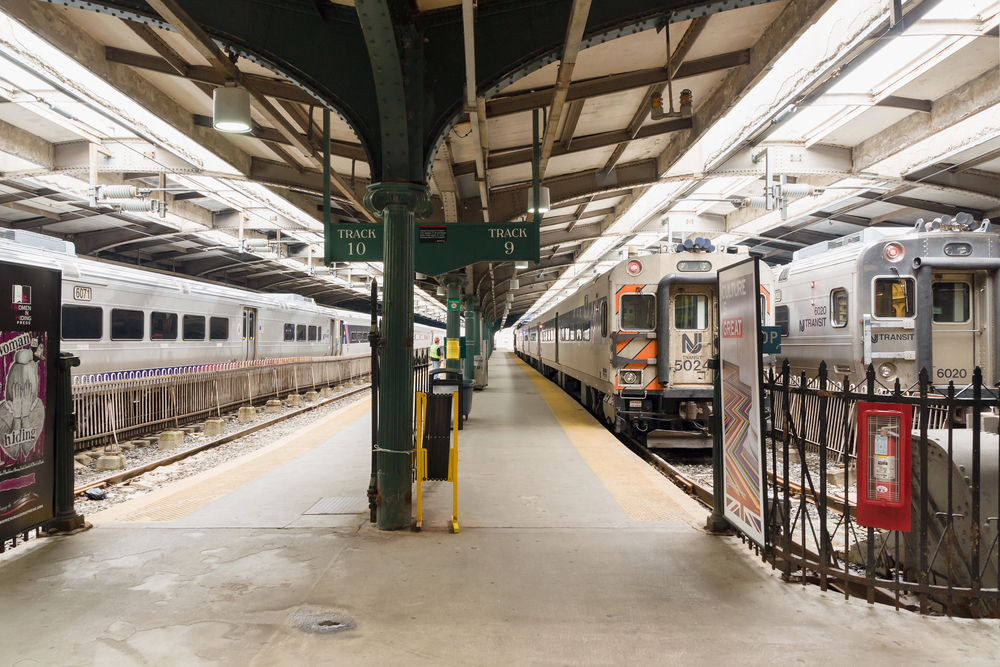
New Jersey Transit is turning commuter stations into art galleries
BY THE OPTIMIST DAILY EDITORIAL TEAM Most people moving through a train station aren't really paying attention. They're somewhere between where they left and ...
Read More5 research-backed ways to banish aches and feel better at your desk
BY THE OPTIMIST DAILY EDITORIAL TEAM Researchers at Columbia University Medical Center wanted to answer a specific question: what is the least amount of ...
Read MoreHow to “unghost” a past friend, according to friendship experts
In a perfect world, no one would ever end a personal relationship by abruptly stopping all communication with no explanation—In other words, “ghosting.” However, ...
Read MoreSpring’s morning symphony: the mystery and beauty of the dawn chorus
BY THE OPTIMIST DAILY EDITORIAL TEAM As winter fades and spring awakens, the world doesn’t just bloom—it sings. Each morning, just before sunrise, birds ...
Read More