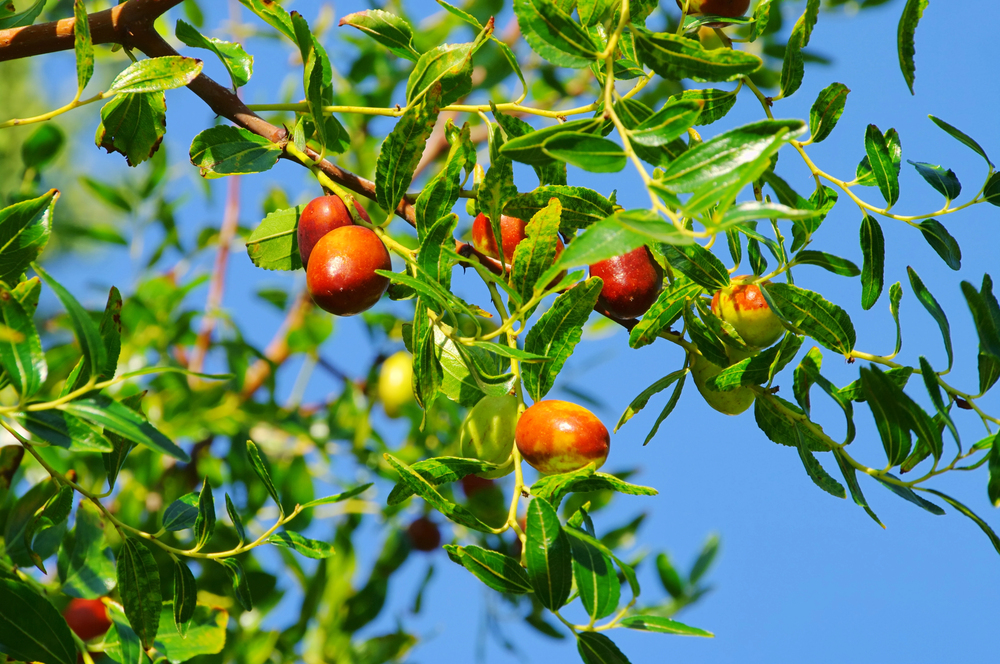
Fruits grown in urban areas are proving not only largely free of pollutants, but more nutritious than their retail counterparts. Researchers analyzed 166 samples of apples, peaches, cherries, and other urban fruits and herbs, along with commercial varieties of the same foods. The efforts grew out of concern for high levels of lead in blood of workers harvesting and processing urban fruits. Their findings suggest that eating urban fruit is not a significant source of lead exposure. “This is a story with a good ending,” says Wellesley College professor Dan Brabander, who has previously studied lead exposure risk in urban gardens. “Not much lead in these urban-harvested fruits.”

Fruits grown in urban areas more nutritious than retail counterparts
More of Today's Solutions
NYC food pantries are now stocking pet food for struggling households
BY THE OPTIMIST DAILY EDITORIAL TEAM If you've ever moved a bit of food off your own plate just so your dog could eat, ...
Read MoreAge-by-age Halloween tips from a board-certified pediatrician
BY THE OPTIMIST DAILY EDITORIAL TEAM Halloween might be the one night a year when the whole family ends up outside together, moving through ...
Read More3 lifestyle hacks to help you become a little happier
There is no one path to finding happiness, but there are some lifestyle changes you can make to become more receptive to happiness. Without ...
Read MoreNamibia High Court lifts ban on gay sex, a win for human rights
BY THE OPTIMIST DAILY EDITORIAL TEAM Namibia's high court has overturned a statute that criminalized gay intercourse, a huge victory for LGBTQ+ campaigners. This ...
Read More