


Search

According to a recent UN-backed study, the world must triple its investments in nature-based solutions by 2030 in order to successfully tackle the triple threat of climate change, biodiversity loss, and land degradation. In an effort to support action geared towards achieving that ambitious Read More...

Like hundreds of other coastal cities across the world, Copenhagen is vulnerable to climate change-induced sea-level rise that is significantly increasing the city’s risk of flooding during storms. In a bid to protect its capital, the Danish government is now preparing plans for a huge project: Read More...

Human-induced climate change is one of the most prevalent threats we are facing as a species, and to combat this, we must change our way of living and innovate new solutions to temper the damage that has already been done. For instance, carbon emissions in the atmosphere need to be reduced at a Read More...

Sculptor Jason deCaires Taylor has recently erected an underwater ecomuseum near Saint-Marguerite Island, off the coast of Cannes in France. The exhibit displays six mask-like sculptures made of PH neutral materials and features textured surfaces to encourage marine life to return to the area. Read More...

A couple of months ago, we wrote about a remarkable online “fish doorbell” or visdeurbel that allows spawning fish to swim through the canals of Utrecht in the Netherlands unobstructed by the Weerdsluis lock. The system is comprised of an internet-connected underwater camera located next to Read More...

Did you watch Seaspiracy and now struggle with your love of seafood? Fear not! There are seafood brands out there that strive for transparency, sustainability, and even help combat the climate crisis. Here are three sustainable seafood brands that you can indulge in guilt-free. KnowSeafood: Using Read More...
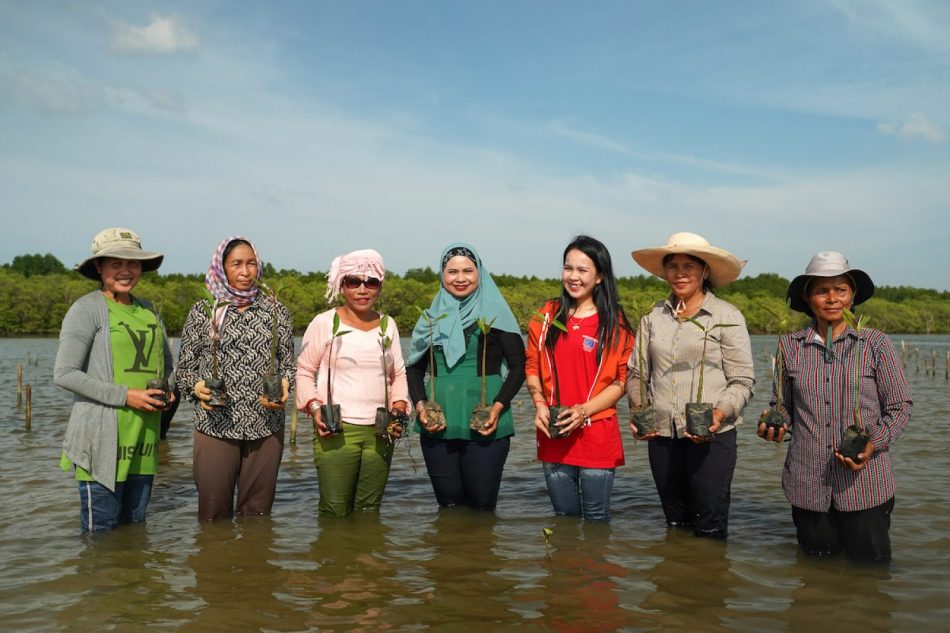
We’ve written previously about the efforts of ActionAid, a non-profit organization that focuses on training and educating women who live in areas that are deeply affected by climate change to take on climate-adaptive livelihoods that will protect them and their environment. The first piece we Read More...

A global pandemic has opened our eyes to the value of engaging with nature and having local green spaces. On top of the environmental benefits of soaking up CO2 emissions, having ample tree cover in urban spaces is connected to lower rates of obesity, asthma, and diabetes as well as improved mental Read More...

According to the National Biodiversity Center, over 30 percent of Irish bee species are facing extinction, and more than half of the country’s bees have experienced a significant decline since 1980. Why are Irish bee populations taking a dive? On top of habitat loss and climate change, native Read More...

The Bermejo River flows through Impenetrable National Park in Argentina’s Chaco province. The secluded region had a special and surprising visitor last week in the form of a wild giant river otter. The otter, which was believed to be extinct in the country because of hunting and habitat loss, Read More...