



St Andrews University embraces pollinator-friendly rewilding on campus
If you visit St. Andrews University in Scotland, you will probably be impressed by the beautiful campus, but the university is going above and beyond to make its grounds even more impressive by transitioning its lawns into pollinator-friendly meadows. The Urban Meadows for Pollinators Project Read More...

Yorkshire Dales rewilding initiative lets nature reclaim the land
Another expansive rewilding initiative was launched last week in England. The restoration process is focused on the gorgeous but barren landscape of the Yorkshire Dales. While the Yorkshire Dales is celebrated for its bleak beauty, the fact of the matter is that the land’s striking appearance is Read More...

Colombia declared home of the most butterfly species in the world
A new study released by the Natural History Museum in London has just dubbed Colombia the world’s official butterfly paradise. The country of Colombia is home to some of the richest biodiversity on the planet, including approximately 20 percent of the world’s butterfly species. An Read More...

Bee-friendly wildflower meadows are blooming across Germany’s biggest cities
Germany is home to about 580 wild bee species, most of which have their habitat in urban areas. More than half of these species are endangered or on the brink of extinction. The increased use of insecticides, exposure to noxious exhaust fumes, and above all a loss of diverse habitats, are the main Read More...

New UN climate program aims to restore the planet’s ecosystems by 2030
According to a recent UN-backed study, the world must triple its investments in nature-based solutions by 2030 in order to successfully tackle the triple threat of climate change, biodiversity loss, and land degradation. In an effort to support action geared towards achieving that ambitious Read More...

This homegrown hive will help Irish black bee populations bounce back
According to the National Biodiversity Center, over 30 percent of Irish bee species are facing extinction, and more than half of the country’s bees have experienced a significant decline since 1980. Why are Irish bee populations taking a dive? On top of habitat loss and climate change, native Read More...
Rewilding: A Key Solution for Biodiversity
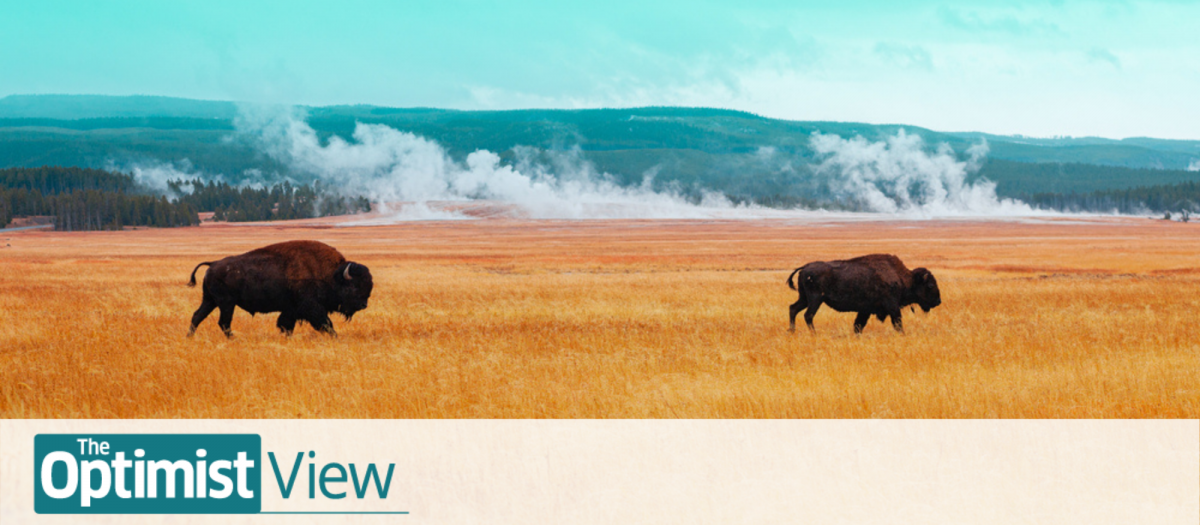
Wild wolves used to roam freely across most of the United States, but when these wolves were hunted to extinction in areas like Montana and Wyoming, ecosystems quickly fell out of balance. Without natural predators, elk populations soared, eating away at trees and grasses, eliminating building Read More...

You can help save endangered species by playing this mobile game
Loss of biodiversity has become an urgent environmental problem in many places around the world. Habitat loss, air and water pollution, over-exploitation, and unsustainable use of natural resources, have all significantly contributed to this problem in recent years, with more than 35,500 species Read More...

Study: Plant-based diets are critical for protecting biodiversity
What is our most powerful tool for protecting biodiversity? A new report by the Chatham House, backed by the UN, indicates that widespread adoption of plant-based diets is one of the most crucial ways to protect endangered species. Plant-based diets are environmentally beneficial because they Read More...

To stop biodiversity loss, we must return half of the planet to nature
This will be a hard pill for nature lovers to swallow, but a recent report from the United Nations revealed that the Earth has lost 68 percent of species since 1970. This a huge problem for both wildlife and humans. Without a diverse range of animals and the lands they inhabit, humanity is poised Read More...