



Protections for endangered gray wolves renewed across much of US
Last Thursday, a howl of gratitude sounded from the endangered gray wolves of the US, after Federal protections were reinstated after being removed by the former administration. In a trend of environmentally positive action, Judge Jeffrey White of the US district court of Oakland, California Read More...

Why your dog shouldn’t poop wherever it wants in nature
Interestingly, poop is a recurring theme at The Optimist Daily. From maintaining a regular bathroom schedule, aiding the search for a home for endangered owls, and fish poop feeding the world’s largest vertical farm. The latest addition to these poop-filled articles is a Belgium study Read More...

Scotland plants over a million trees to help save wild salmon
The bodies of water around the world have been experiencing unprecedented warming that is taking a toll on the ecosystems and marine life that inhabit them. One of the species that is suffering from this warming is wild salmon. That’s why, in Scotland, the River Dee Board and Trust in partnership Read More...

These Indigenous women are helping save endangered coral reefs
Coral reefs are some of the most important ecosystems on the planet. In addition to providing essential habitat for marine life, they also protect coastal areas from waves, storms, and floods, all while providing a key source of income for hundreds of communities around the world. With that said, Read More...

Weird species of worm named after Godzilla’s enemy
We love sharing the uncovering of the vast biodiversity of our world with our readers. In 2020 alone, 503 new animal species were discovered. From the Popa langur monkey, to nine new snake species and the highest living bumblebee Bombus tibeticus. It is inspiring and exciting to see the wide range Read More...

IKEA buys land ravaged by hurricane to transform into forests
The Optimist Daily has shared several stories about the popular Swedish furniture company IKEA and its environmentally friendly initiatives such as its buyback and resell program, its pledge to stop using plastic packaging, its zero-waste vegetable cookbook, and its effort to sell renewable energy Read More...

California pledges to build the world’s largest wildlife crossing
California has a rich array of wildlife; from seals to cougars and bears there are a number of beautiful creatures to spot. Although, for centuries wolves have not been seen around the state they used to wander freely. In January 2022, 87 million dollars were secured to create a wildlife Read More...

Create a refuge for endangered native plant species in your own garden
Here at the Optimist Daily, we never tire of sharing stories that help garden-lovers and green thumbs continue cultivating their gardening habits. Gardening, or even just spending time in a garden, doesn’t just offer people several physical and mental health benefits, but gardens can potentially Read More...
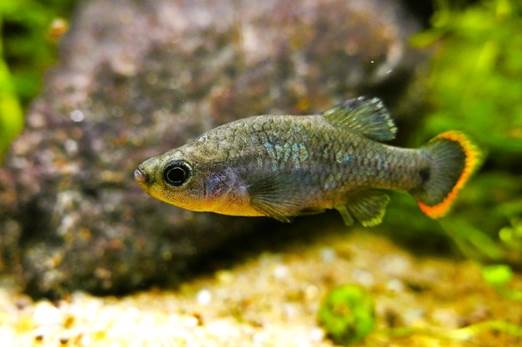
Mexico’s tequila fish brought back from the brink of extinction
Mexico’s tiny tequila splitfin fish was once a common inhabitant in the country’s Teuchitlán river in the western part of the country. But due to the combined effects of water pollution, invasive fish species, and over-extraction of water resources, the small fish became extinct in the wild. Read More...

This NGO clones our greatest allies in the fight against climate change
David Milarch set up an NGO in 1994 called the Archangel Ancient Tree Archive, which works hard to preserve and clone the world’s most ancient and resilient trees. Trees play an incredibly important role in the planet’s ecosystem and are one of our greatest allies in the fight against Read More...