


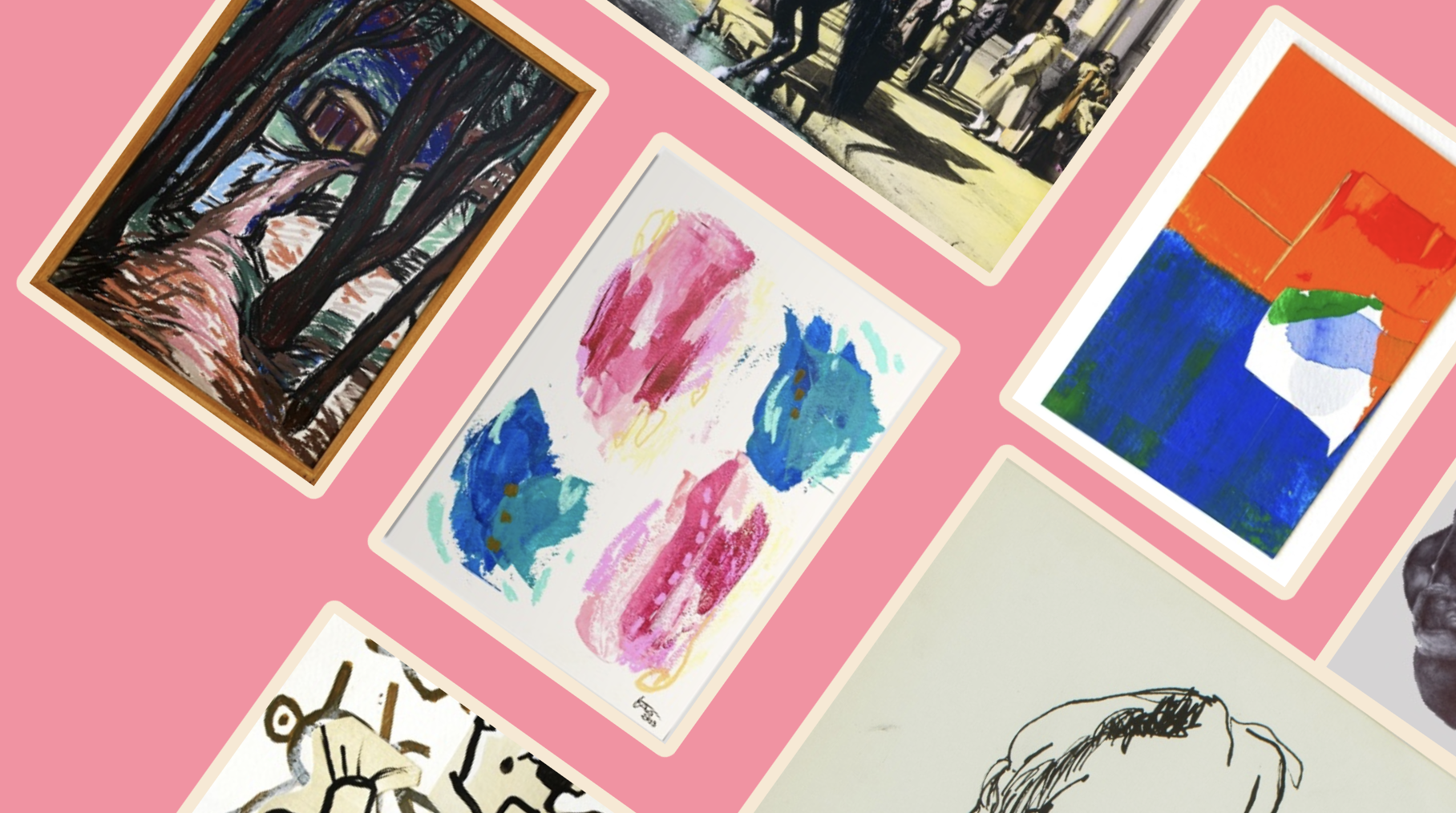
The first gallery built exclusively to represent women artists
BY THE OPTIMIST DAILY EDITORIAL TEAM The story of women in art history is mostly a story of not getting seen. Not because women weren’t making art —they were—but because the structures that decided which art got shown, bought, and remembered were built by and for men. MAG The Women Read More...
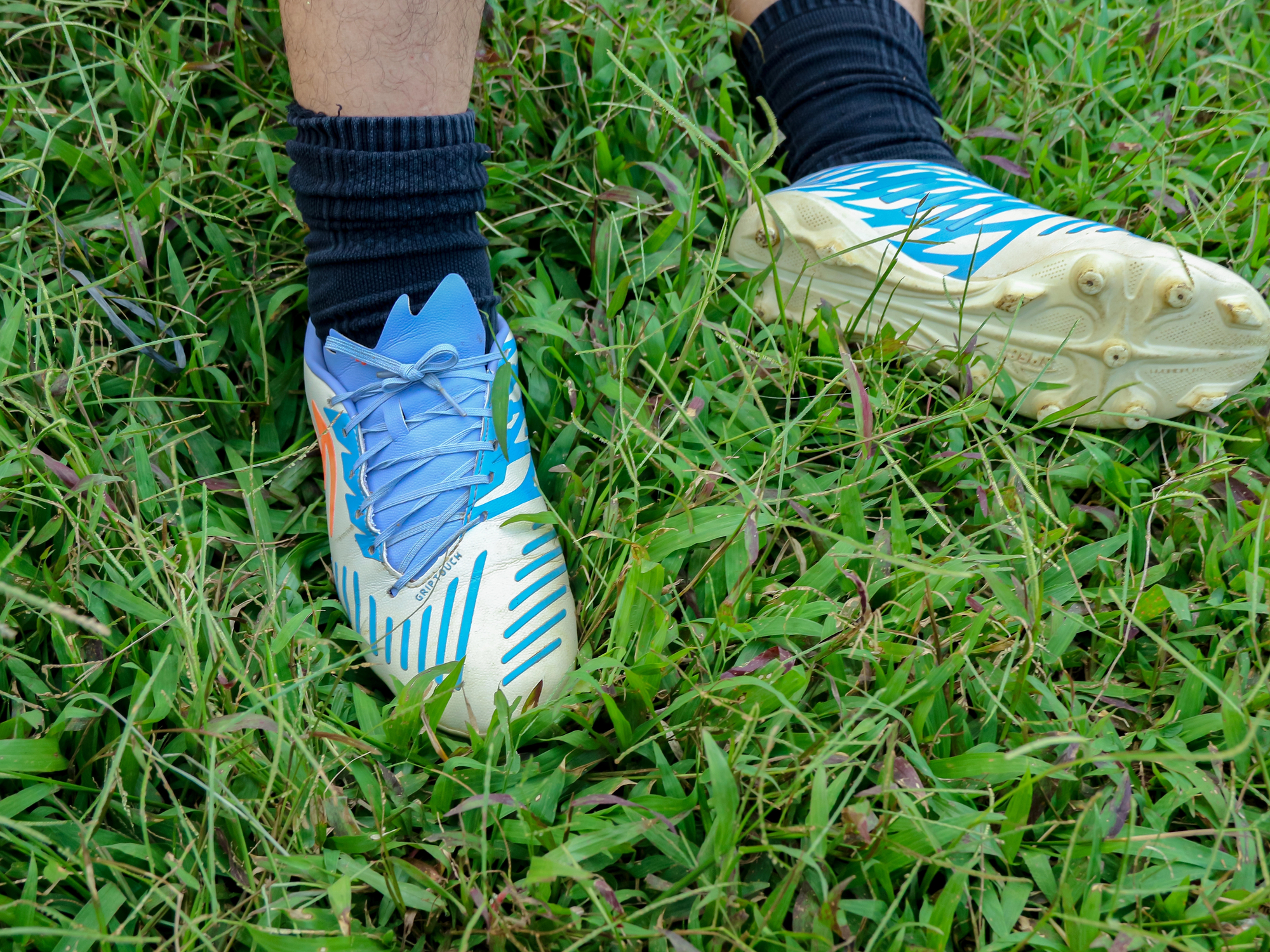
How the soccer cleat evolved from hardware nails to engineered fabric
BY THE OPTIMIST DAILY EDITORIAL TEAM Nobody watches the World Cup to think about footwear. But the shoes on the pitch at the 2026 tournament are the end result of about 500 years of iteration, and the story is stranger than you’d expect. It involves a family feud, kangaroo leather, and at one Read More...

Job instability is pushing people to rethink their lives, not just their resumes
BY THE OPTIMIST DAILY EDITORIAL TEAM For years, the go-to response to career difficulty was optimization. If work felt stagnant, or a job wasn’t coming through, the prescription was the same: update your resume, sharpen your skills, find a better angle. The assumption was that the system was Read More...

Why immersive reading is taking over BookTok in 2026
BY THE OPTIMIST DAILY EDITORIAL TEAM Something happens when you follow a physical book with its audiobook running in your ears at the same time. The distractions fall away, and you’re inside the story. The technique has a name now: immersive reading. TikTok’s own data shows it spread fast in Read More...
Friction-maxxing and the case for a less convenient life
BY THE OPTIMIST DAILY EDITORIAL TEAM Something about the phrase “friction-maxxing” struck a nerve. When Kathryn Jezer-Morton, a columnist for New York magazine’s The Cut, published an essay in December 2025 naming the feeling of wanting to push back against frictionless technology, the Read More...

What an economist says young adults should know about modern dating
BY THE OPTIMIST DAILY EDITORIAL TEAM When Rebekka Grun von Jolk, an economist whose research sits at the intersection of love and behavioral science, spoke with students at Georgetown University recently, she expected a polite Q&A. Instead, when the formal session ended, many students stayed Read More...
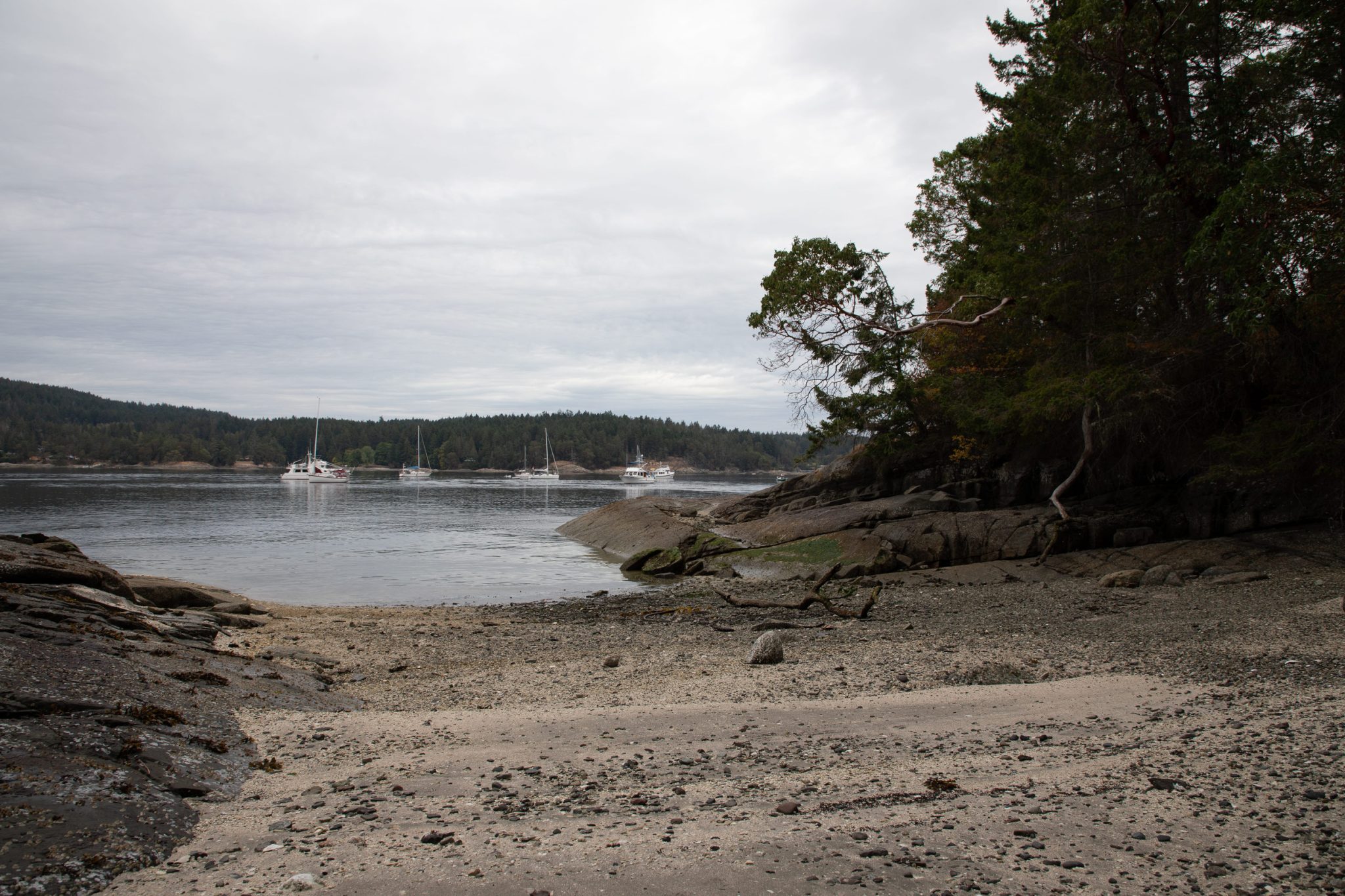
Why Western scientists are turning to Indigenous knowledge
BY THE OPTIMIST DAILY EDITORIAL TEAM Marco Hatch describes his own work with characteristic dry humor: "I'm a glorified clam counter." What he's actually doing is more complicated. As a marine ecologist at Western Washington University and an enrolled member of the Samish Indian Nation, Hatch is Read More...
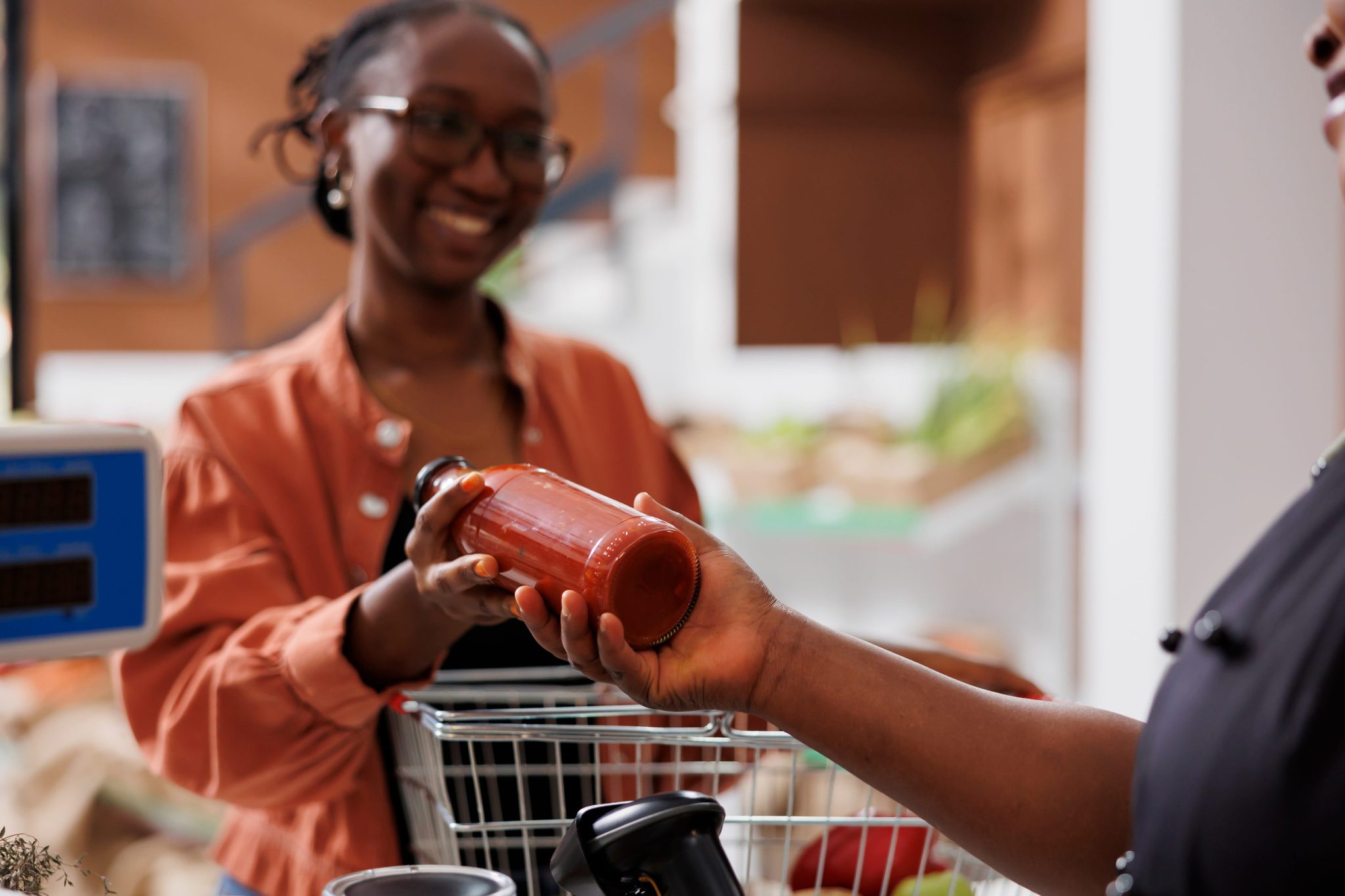
The low-effort way to build real connection: finding your third place
BY THE OPTIMIST DAILY EDITORIAL TEAM Most people have two main places: home and work. The idea that you need a third sounds obvious the moment you hear it, which is maybe why sociologist Ray Oldenburg felt the need to write a whole book about it in 1989. That book, The Great Good Place, named Read More...
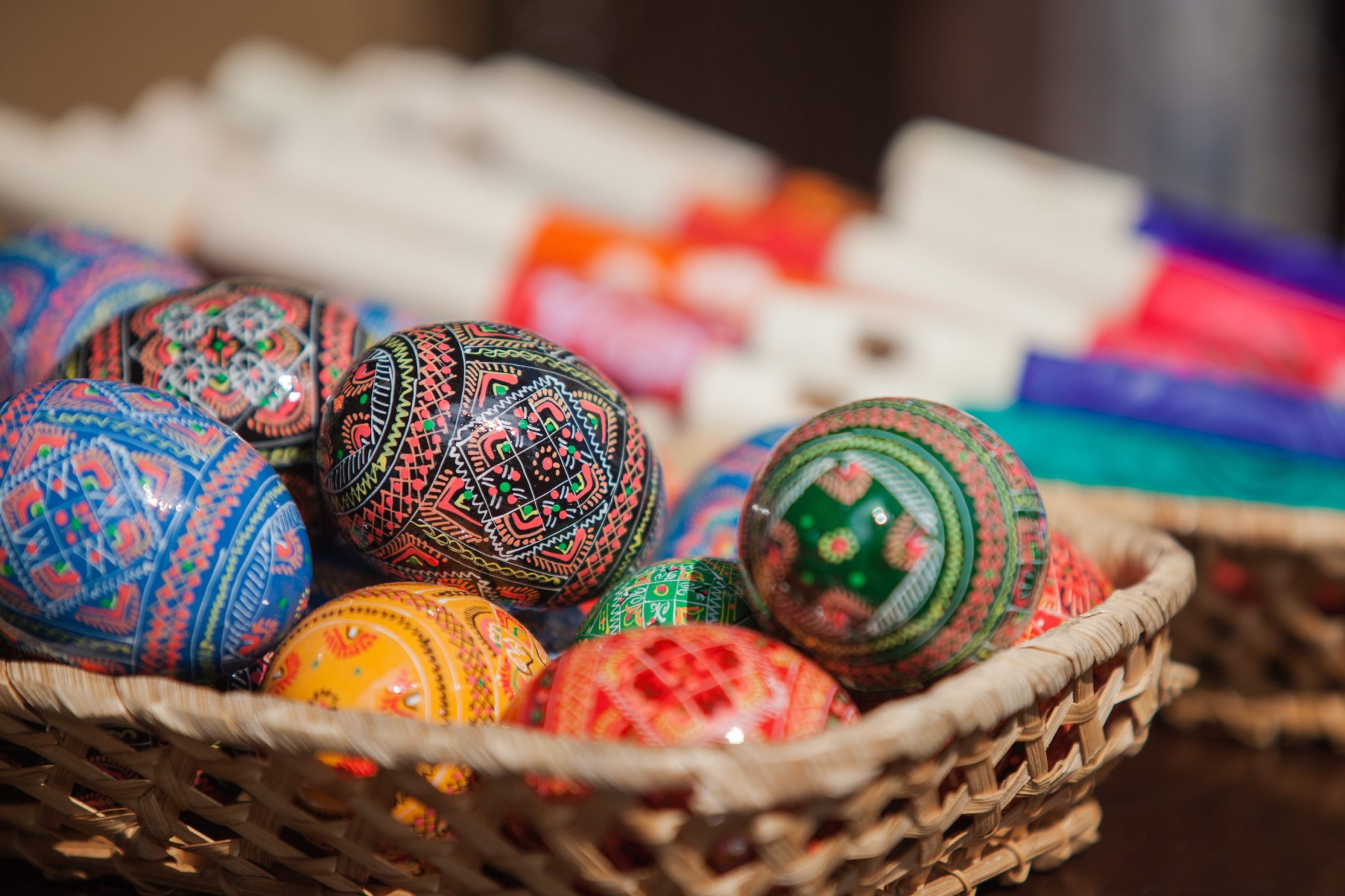
Easter around the world: 9 traditions beyond the egg hunt
BY THE OPTIMIST DAILY EDITORIAL TEAM Easter is observed by roughly 2.4 billion Christians worldwide. That covers an enormous range of countries, climates, and histories. There is no single Easter, really. There's the version you grew up with, and then there are all the others. Florence explodes Read More...
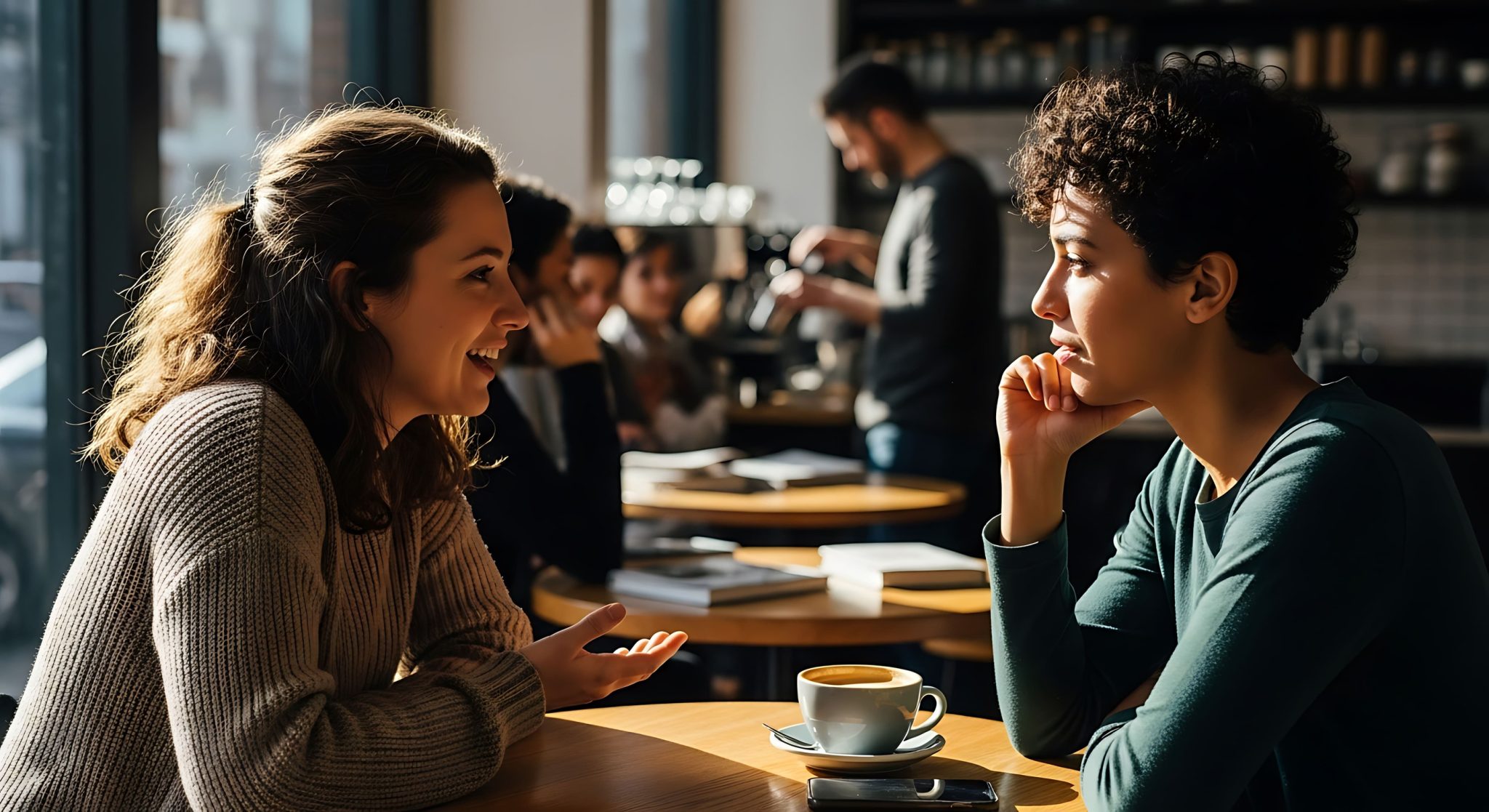
Speed friending: one cafe's answer to America's growing friendship recession
BY THE OPTIMIST DAILY'S EDITORIAL TEAM Something has shifted over the past three decades in how Americans relate to each other. In 1990, about three percent of Americans said they had no close friends. Today, that number sits somewhere between 12 and 20 percent, depending on who you ask. Jaimie Read More...